


Understanding the cfr meaning in shipping is essential for businesses involved in international trade, particularly when transporting goods by sea. CFR, which stands for Cost and Freight, defines how sellers and buyers share transportation costs, delivery obligations, and risks during maritime shipments.
Freight Club helps importers and exporters make informed shipping decisions by understanding Incoterms rules, negotiating clearer contracts, managing freight costs, and reducing potential misunderstandings throughout the international supply chain.
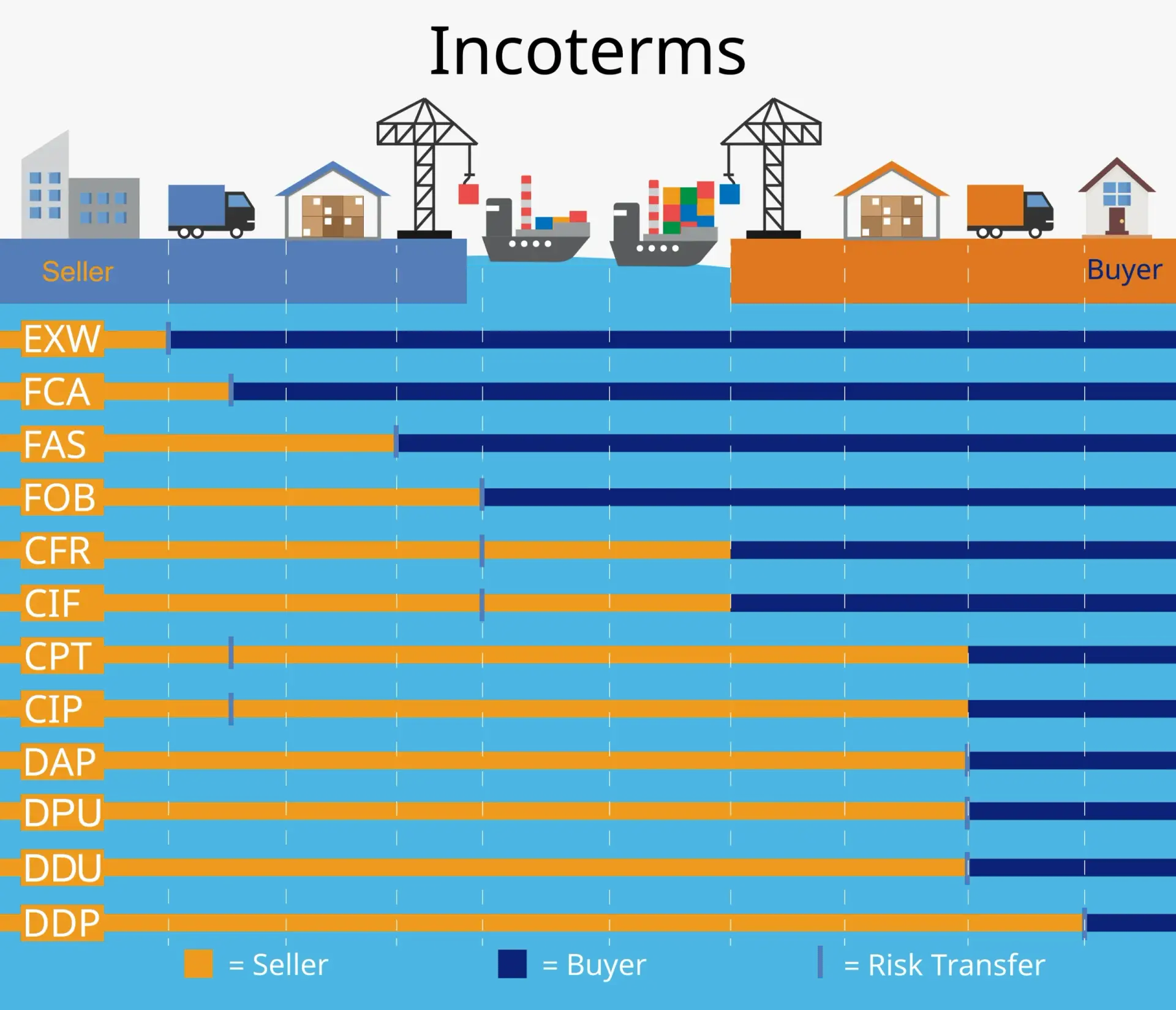
cfr Incoterms Explained
The cfr meaning in shipping refers to Cost and Freight, an Incoterms rule published by the International Chamber of Commerce (ICC). Its main provisions include:
Under CFR terms, the seller assumes several responsibilities associated with preparing and exporting goods and arranging their transportation to the agreed destination port.
The seller’s primary obligations generally include:
Freight Club helps businesses discover logistics partners and compare shipping services, enabling them to clarify destination charges, terminal handling fees, and unloading costs before finalising their freight contracts.
Under CFR terms, risk transfers to the buyer once the goods are loaded on board the vessel at the port of shipment, even though the seller pays for the main sea freight.
cfr meaning in shipping example, an Egyptian exporter shipping machinery to Jebel Ali Port pays the agreed freight, while the buyer assumes the transit risk. Since CFR does not require the seller to provide marine insurance, the buyer should consider obtaining suitable cargo coverage, particularly for high-value shipments.
Registration with Freight Club enables businesses to better understand CFR shipping terms, distinguish freight costs from cargo risks, and make informed decisions about marine insurance and international shipping arrangements.
CFR meaning in shipping and FOB differ mainly in who arranges and pays for sea freight, although both transfer risk to the buyer once the goods are loaded on board at the port of shipment.
| Feature | CFR (Cost and Freight) | FOB (Free on Board) |
| Main sea freight | Seller pays | Buyer generally pays |
| Export clearance | Seller | Seller |
| Delivery point | On board at the port of shipment | On board at the port of shipment |
| Risk transfer | When goods are on board | When goods are on board |
| Main carriage arrangements | Seller | Buyer |
| Transport mode | Sea and inland waterways | Sea and inland waterways |
cfr meaning in shipping
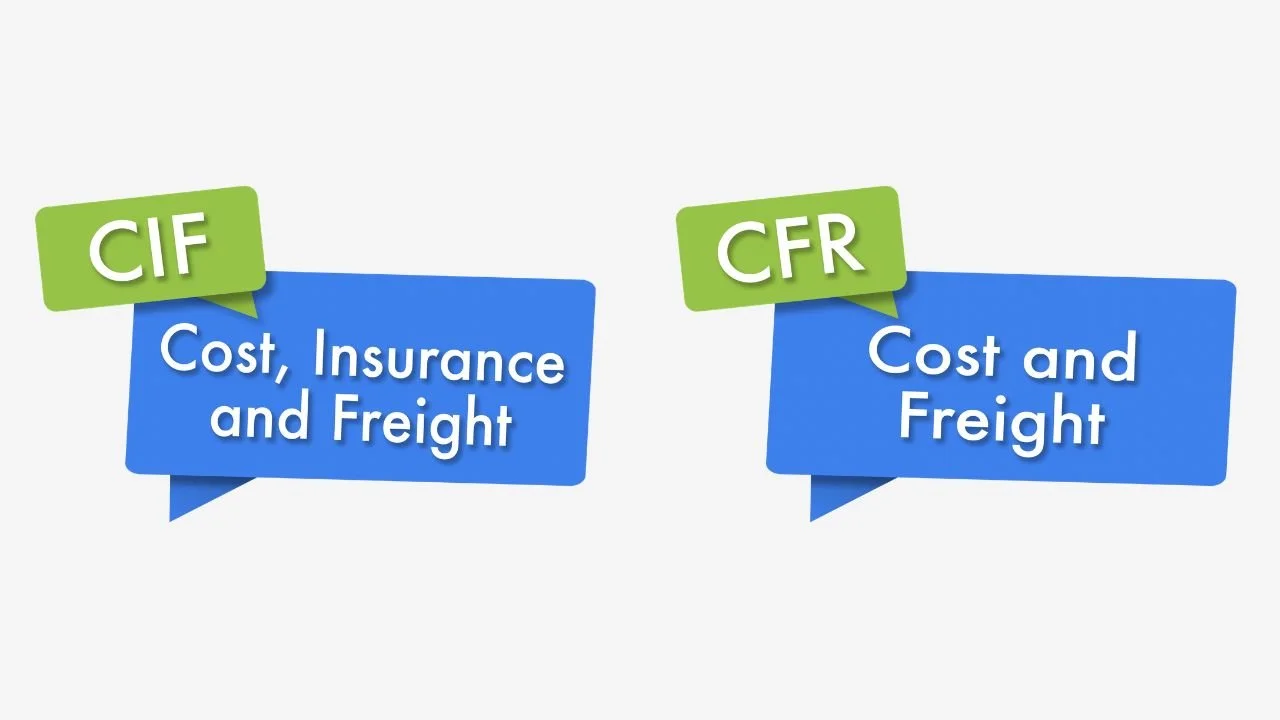
cfr meaning in shipping, the seller pays for sea freight to the named destination port, while under FOB, the buyer arranges and pays for the main carriage. CFR suits importers who prefer the seller to organise shipping, whereas FOB offers greater control over carrier selection.
Unlike CFR, CIF (Cost, Insurance and Freight) also requires the seller to obtain the specified marine insurance coverage. Choosing the right Incoterm depends on the shipment requirements, contractual terms, and allocation of costs and risks.
Under CFR terms, the seller pays for sea freight but is not required to provide marine insurance, unlike under CIF. Buyers should assess cargo value and transit risks to determine suitable insurance coverage.
They should also verify whether destination terminal handling, unloading, and other port charges are included in the freight agreement.
The parties should clarify the treatment of:
Destination charges may be shared between the seller and buyer according to the Incoterms rule and sales contract. Understanding the cfr meaning in shipping helps businesses calculate total landed costs, including freight, insurance, import duties, and onward transportation, avoiding unexpected expenses.
Choosing reliable logistics partners is essential for managing CFR shipments effectively. Freight Club is a B2B directory connecting businesses with freight forwarders, shipping agents, customs brokers, and logistics providers across Egypt, Saudi Arabia, the UAE, and international markets.
Through Freight Club, businesses can discover providers for sea freight, customs clearance, inland transportation, and cargo insurance. When evaluating the cfr meaning in shipping, companies should compare freight rates, service coverage, documentation capabilities, and additional charges while independently verifying providers’ credentials and contractual terms.
Freight Club helps businesses manage CFR shipments efficiently by connecting them with freight forwarders, shipping agents, customs brokers, and other logistics providers across Egypt, Saudi Arabia, the UAE, and international markets.
Logistics providers can register for free to showcase their services, increase online visibility, and connect with potential business partners. Whether specialising in sea freight, customs clearance, warehousing, or cargo insurance, companies can expand their professional networks through the directory.
CFR stands for Cost and Freight. It is an Incoterm meaning the seller pays for the cost and freight necessary to bring the goods to the named port of destination, while risk transfers to the buyer once goods are loaded on board.
No, unlike CIF, the CFR term does not require the seller to purchase marine insurance. Securing cargo insurance is solely the responsibility and cost of the buyer.
Freight Club provides a comprehensive directory connecting cargo owners, importers, and businesses directly with pre-vetted freight forwarders and maritime service providers.
Joining is simple! Submit your company profile and service offerings to our directory to gain massive visibility in front of global shippers seeking reliable transport partners.
Understanding the cfr meaning in shipping helps businesses manage freight costs, identify risk-transfer points, and negotiate clear shipping contracts. Under CFR, the seller pays for sea freight, while the buyer assumes cargo risk once the goods are loaded on board the vessel.
Unlike CIF, CFR does not require seller-provided marine insurance, while FOB generally makes the buyer responsible for arranging the main sea carriage. Businesses should review insurance coverage, destination charges, and import obligations before agreeing to CFR terms.
Freight Club helps businesses discover logistics providers and compare services to support informed shipping decisions.
Read More:
Navigating Global Trade Guide to VesselFinder Marine Traffic Systems