


Vesselfinder marine traffic technologies support maritime visibility by helping users monitor vessel movements and follow shipping activity across global waters. With more than 80% of global merchandise trade by volume transported by sea, vessel tracking plays an important role in supply chain planning, shipment monitoring, and maritime operations.
These tools help logistics professionals, stakeholders, and maritime enthusiasts access vessel location data and improve their understanding of international shipping movements.
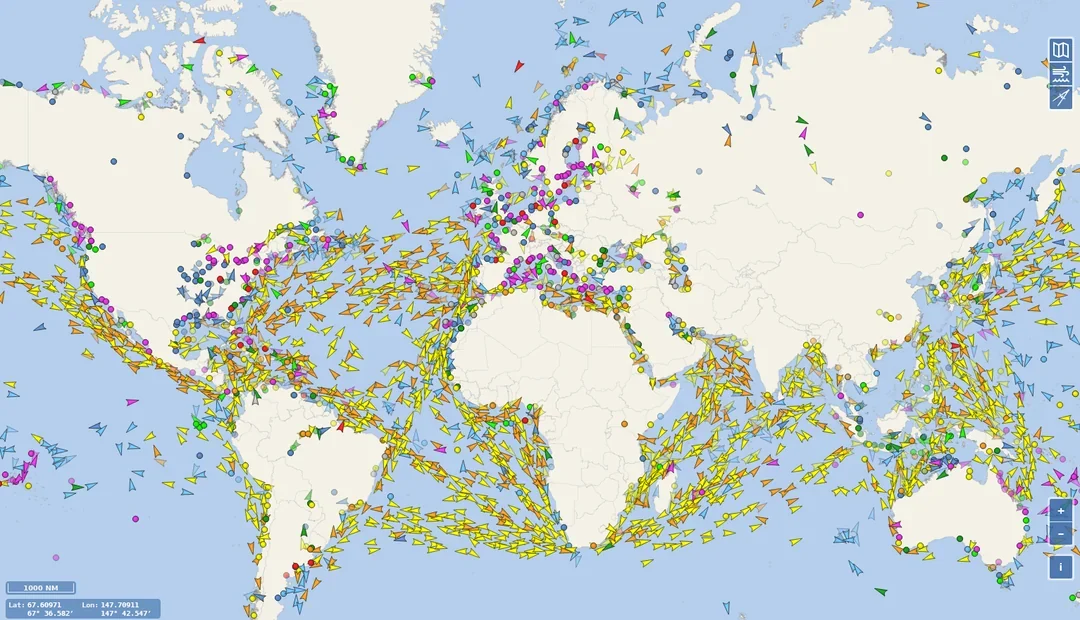
vesselfinder marine traffic system
vesselfinder marine traffic platforms enhance maritime visibility by enabling businesses and individuals to monitor vessel movements, track shipping activity, and gain valuable insights into global maritime operations. These technologies help improve supply chain coordination, support informed decision-making, and reduce the impact of unexpected shipping delays.
These platforms provide real-time insights into vessel positions, speeds, destinations, and Estimated Times of Arrival (ETAs) by tracking hundreds of thousands of vessels worldwide.
For international traders, importers, and exporters, access to up-to-date vessel data supports effective risk management, proactive decision-making, and improved coordination across international supply chains.
vesselfinder marine traffic tracking relies on AIS transponders, which broadcast navigational data collected through terrestrial and satellite networks to provide global coverage across coastal and deep-sea waters.
Efficient maritime logistics requires more than tracking vesselfinder marine traffic at sea; it also depends on effective port management and monitoring vessel arrivals and departures across global ports.
Port congestion is one of the most persistent bottlenecks in international shipping. When multiple container ships arrive simultaneously or face unexpected weather delays, supply chains experience severe ripple effects.
Real-time maritime tracking provides an early warning system by monitoring vessel speeds and traffic density in critical waterways, enabling logistics managers to adjust routes, update inventory forecasts, and notify clients of potential delays.
This proactive visibility helps reduce demurrage costs and minimize the impact of global supply chain disruptions.
The maritime industry is undergoing a profound digital transformation. Beyond basic GPS coordinates, modern tracking platforms integrate weather forecasts, wind overlays, augmented reality (AR), and historical route playback.
Furthermore, advanced platforms are beginning to leverage artificial intelligence to generate context-aware updates, distinguishing between casual family tracking and rigorous commercial cargo management. This technological integration empowers businesses to streamline operations, lower fuel consumption through optimized routing, and enhance overall safety at sea.
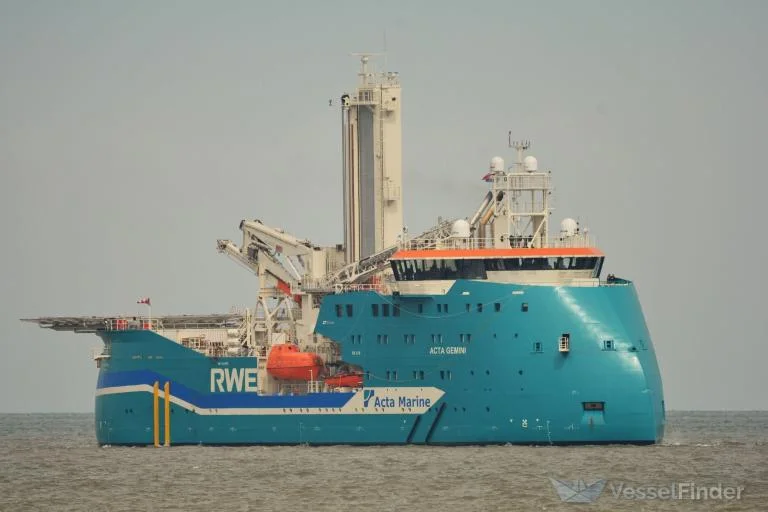
vesselfinder marine traffic
While tracking vessels tells you where your cargo is, connecting with the right logistics partners determines how efficiently your supply chain operates. This is where the Freight Club directory plays a pivotal role.
Freight Club is a specialized online directory connecting shipping companies, freight forwarders, customs clearance agents, shipping lines, air cargo providers, and logistics service companies across Egypt, Saudi Arabia, UAE, and international markets.
Instead of spending hours searching through fragmented networks, businesses can use Freight Club to:
By bridging the gap between shippers and service providers, Freight Club makes global logistics networking simple, transparent, and highly accessible.
Are you a freight forwarder, shipping line, customs broker, or logistics service provider looking to increase your market visibility and generate qualified leads? Freight Club offers free company registration designed specifically for transportation professionals.
Registering your company creates a professional digital profile showcasing your services, countries served, and contact details, helping businesses searching for international shipping solutions discover your company.
Expand your professional network, connect with overseas agents, and strengthen your presence in strategic trade markets.
Vesselfinder marine traffic tracking utilizes AIS (Automatic Identification System) and satellite tech to monitor the live locations, speed, and routes of vessels worldwide in real time.
They provide accurate ETAs, allow proactive planning for port clearances, and help monitor weather conditions affecting cargo transit across global oceans.
Freight Club provides a comprehensive directory connecting cargo owners and businesses directly with pre-vetted freight forwarders and maritime service providers.
Joining is simple! Submit your company profile and service offerings to our directory to gain massive visibility in front of global shippers seeking reliable transport partners.
Freight Club supports transparent maritime operations by helping businesses connect with logistics partners, complementing vessel tracking tools like VesselFinder Marine Traffic for improved shipment visibility and coordination.
By embracing these digital solutions, businesses and individuals can navigate global trade with confidence, minimizing risks, preventing delays, and driving long-term efficiency across every link in the supply chain.
read more:
Container Tracking: A Guide to Real-Time Shipment Visibility
Nile Valley Shipping Company: A Trusted Leader in Egypt’s Logistics Industry