


Container tracking is essential for businesses managing international shipments, helping importers, exporters, and logistics professionals monitor cargo movements, anticipate delays, and improve supply chain coordination.
As global maritime trade becomes increasingly digital, real-time shipment visibility enables businesses to make informed decisions, manage transportation risks, and maintain better control over delivery schedules.
Freight Club helps businesses understand container tracking, distinguish it from Bill of Lading tracking, and identify reliable logistics partners to improve shipment visibility and streamline international shipping operations.
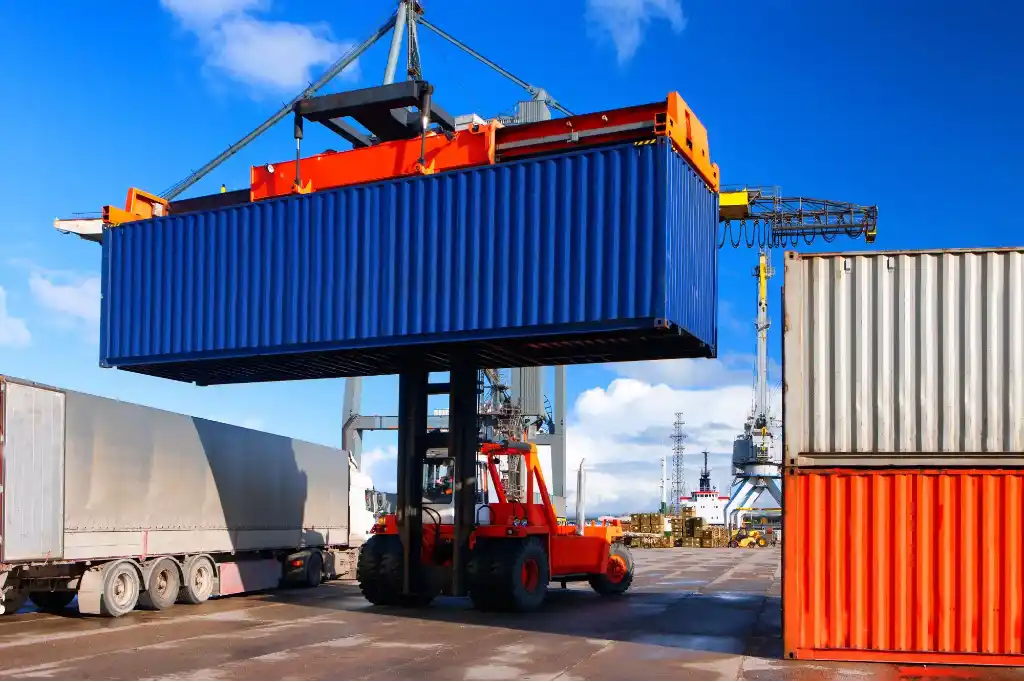
Container tracking monitors shipping containers from the departure port or depot to their final destination, providing updates on location, shipping milestones, and estimated arrival times. Depending on the carrier, tracking systems may use GPS, RFID, satellite communications, terminal records, and digital platforms to report container status and movement.
Common container tracking milestones include:
Shipment milestones help businesses monitor cargo progress and coordinate delivery, inventory, customs clearance, and risk management. Reliable tracking information also enhances operational visibility and improves customer communication for companies managing frequent international shipments..
Modern container tracking depends on digital data recorded by shipping lines, port terminals, carriers, and logistics platforms throughout the transportation process. Businesses can typically access shipment updates by entering a container number or booking reference into the relevant carrier’s tracking portal.
Advances in digital technology have enhanced shipment visibility through several capabilities:
It is important to distinguish container tracking from vessel tracking. Vessel tracking monitors a ship’s location and movements, while container tracking records the transportation milestones of an individual container. Continuous GPS-level visibility is not always available, as tracking accuracy and update frequency depend on the carrier’s systems, terminal records, and available technology.
Container tracking monitors a container’s location and transportation milestones, while Bill of Lading (B/L) tracking provides shipment updates linked to the transport document. Both support shipment visibility but rely on different identifiers and information.
| Feature | Container Tracking | Bill of Lading Tracking |
| Primary identifier | Container number | Bill of Lading number |
| Main purpose | Monitor container movements and operational status | Retrieve shipment information linked to the B/L reference |
| Typical information | Loading, discharge, terminal entry and exit | Available shipment milestones associated with the transport document |
| Operational value | Supports container planning and equipment coordination | Supports documentation checks and shipment coordination |
| Important limitation | May not provide continuous physical location updates | Does not automatically confirm customs clearance or document compliance |
A container number identifies a specific container, while a Bill of Lading documents the shipment. Using both identifiers when applicable improves shipment visibility and helps businesses monitor cargo movements and documentation separately.
Container tracking helps businesses manage port delays by providing shipment status updates and estimated arrival times. This information allows logistics teams to prepare customs documents, coordinate transportation, and arrange cargo collection more efficiently.
Effective container tracking can help businesses:
Demurrage applies to containers held at the terminal beyond free time, while detention generally covers carrier equipment retained outside it. Although tracking cannot prevent delays, it helps businesses monitor shipment milestones and respond promptly.

Container Tracking directory (1)
International shipments involve multiple carriers, ports, and logistics systems, making cargo monitoring challenging. Businesses can address common tracking issues through consistent monitoring and proactive communication.
Addressing these challenges helps businesses improve shipment visibility, coordinate logistics activities, and make more informed supply chain decisions.
Freight Club is a B2B directory that helps businesses discover shipping companies, freight forwarders, customs agents, and logistics providers across Egypt, Saudi Arabia, the UAE, and international markets.
The platform facilitates supplier discovery across services such as sea freight, air freight, trucking, customs clearance, and warehousing. Businesses can identify potential partners, compare their capabilities, and verify their credentials and tracking procedures before making a decision.
Combining effective container tracking with careful partner selection helps improve shipment visibility and logistics coordination.
Freight Club helps shipping companies, freight forwarders, customs agents, and other logistics providers enhance their online visibility and connect with potential customers across Egypt, the Middle East, and international markets.
Free company registration allows eligible providers to showcase their services, geographic coverage, and contact details through a specialized B2B directory.
Register your logistics company with Freight Club to strengthen your digital presence and develop new business connections.
Container tracking is the digital process of monitoring the exact geographic location, transit milestones, and Estimated Times of Arrival (ETA) of a shipping container in real time.
You typically need the unique Container Number or the Bill of Lading (B/L) number to query the carrier’s system or logistics tracking platforms.
Freight Club provides a comprehensive directory that connects cargo owners, importers, and businesses directly with pre-vetted freight forwarders and maritime service partners.
Joining is simple! Submit your company profile and service details to our directory to gain massive visibility in front of global shippers seeking reliable transport partners.
Container tracking improves shipment visibility, supports logistics planning, and helps businesses manage international shipments alongside B/L checks and customs coordination. Reliable tracking tools and qualified logistics partners can reduce disruptions and strengthen supply chain efficiency.
Freight Club helps businesses discover shipping and logistics providers through its specialized directory, supporting better coordination and more transparent international shipping operations.
Read More:
Nile Valley Shipping Company: A Trusted Leader in Egypt’s Logistics Industry