


Distribution & Warehousing are at the center of the supply chain in each expanding company. They show how well your company can increase operations, maintain profitability, and satisfy consumer demand. You can create a robust, economical, and customer-focused logistics plan by knowing the distinctions between a warehouse and a distribution center and how each affects your business. Let’s dissect the situation.
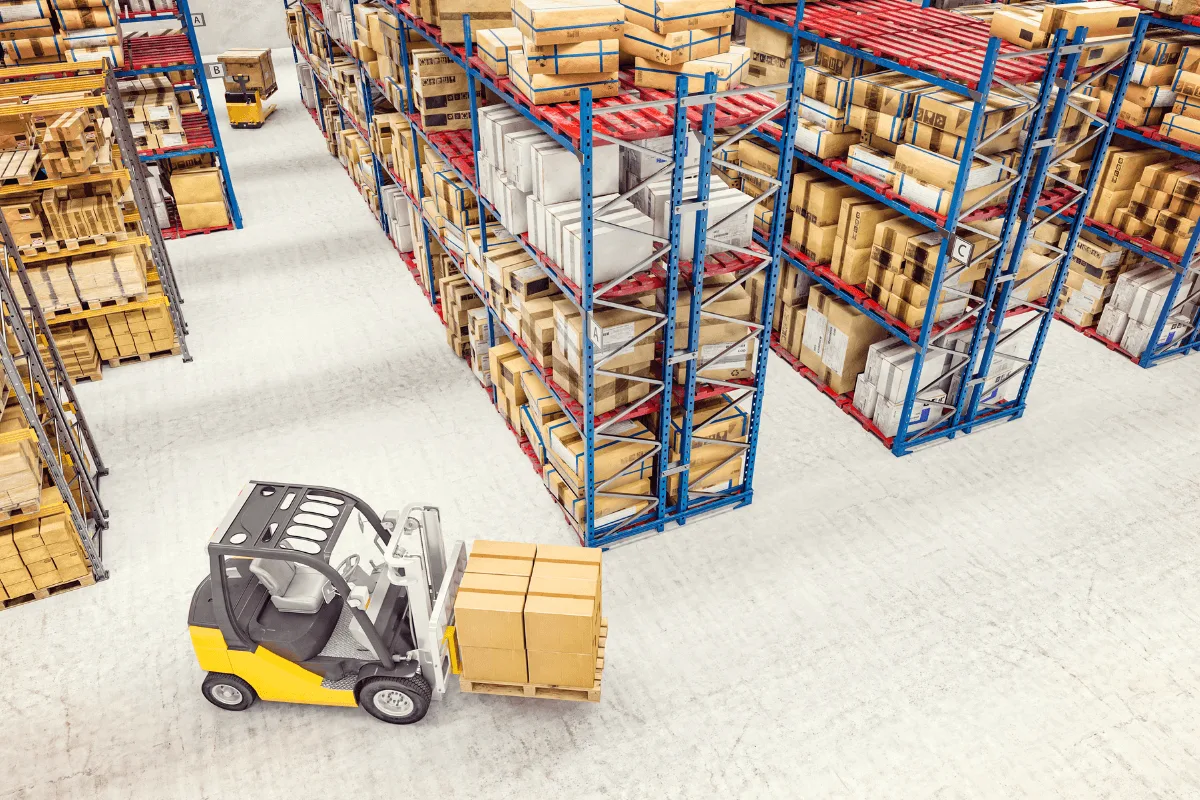
The logistics system that stores, manages, and transports commodities from producers to customers is made up of distribution & warehousing.
While distribution entails the quick movement, order fulfillment, and delivery of those items to their final destination, warehousing concentrates on safely keeping, arranging, and tracking inventories in a facility.
When combined, they shorten shipment times and maintain supply chains’ effectiveness.
Distribution and warehousing have previously been defined independently. Together, they form a comprehensive system that effectively transports items via supply chain management.
Product management and storage are the main goals of warehousing. Distribution, on the other hand, guarantees prompt delivery to clients, wholesalers, or retailers. When combined, they increase customer happiness, save expenses, and enhance inventory management.
These processes are essential for a variety of businesses, including manufacturing and e-commerce, since they guarantee timely delivery and secure storage of goods.
Read more: 3PL / 4PL Services
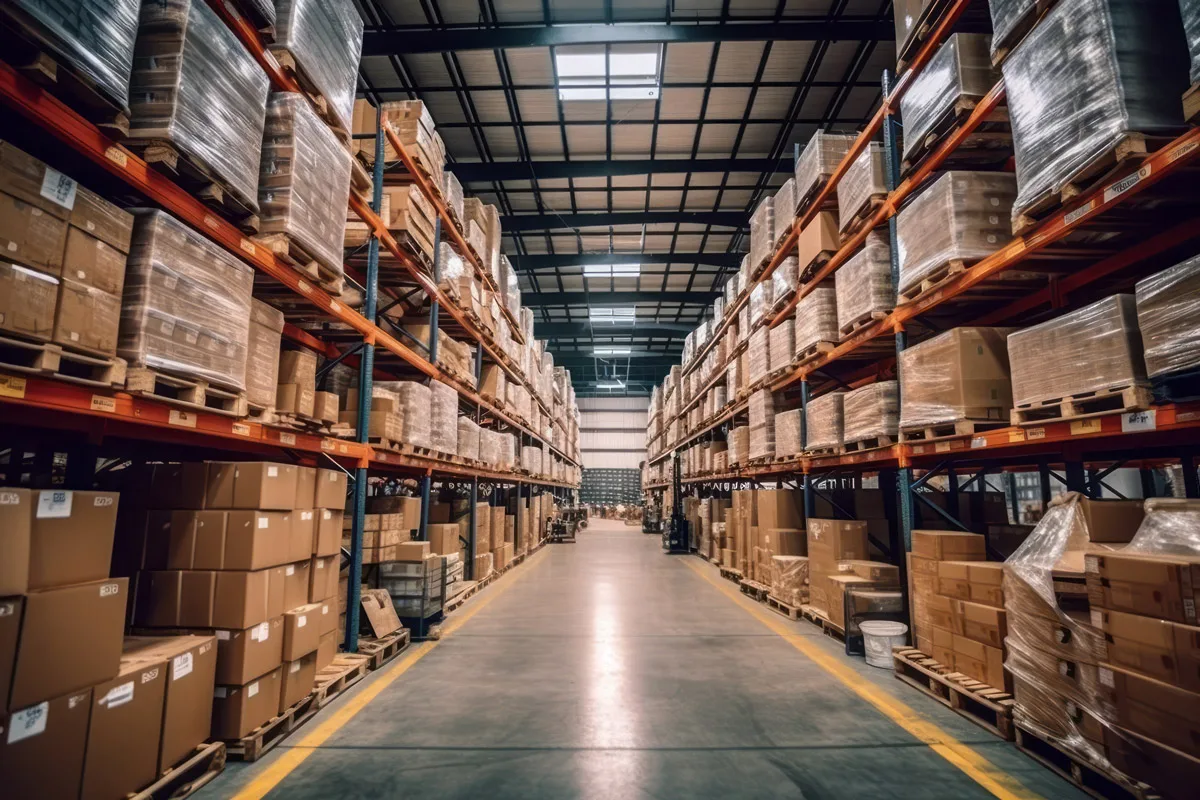
Distribution & warehousing are actually two parts of the same system. Integrating both intelligent inventory storage and efficient delivery is essential for effective distribution and warehouse management.
A networked warehouse and distribution strategy has the following advantages:
read more: Supply Chain Solutions
When your delivery arrives at the distribution facility, what does that mean?
Packages are sorted after they arrive at a distribution hub. They are then ready to be delivered to their intended locations. In shipping, this stage is crucial.
What does a warehouse distribution center look like?
A distribution center is a place where products are prepared, kept, and delivered to clients or retail establishments.
What does a warehouse and distribution manager do?
The proper storage and delivery of goods is the responsibility of the warehouse and distribution manager. This includes choosing, packaging, storing, and receiving orders while adhering to quality requirements. Organizing the flow of commodities via the supply chain is another aspect of this job. As a result, they serve as the point of contact for suppliers, customers, and departments.