

Cold chain logistics plays a vital role in the protection of heat sensitive products throughout all stages of transport and storage. From food exports to pharmaceutical shipments, maintaining accurate environmental conditions is essential for sustaining quality and safety and ensuring compliance with regulatory requirements.
The expansion of global trade across Saudi Arabia, the United Arab Emirates, and Egypt has led companies to increasingly depend on sophisticated logistics solutions to mitigate risks and avoid costly losses.
In this context, Freight Club offers comprehensive cold chain logistics services that are tailored to ensure continuous temperature control, real time monitoring, and trusted delivery across regional and international supply chains.
The maintenance of the proper temperature is essential to the success of food transportation, as even slight variations can speed up food spoilage, minimize shelf life, and compromise product safety. Therefore, fresh agricultural products, dairy products, seafood, frozen foods, and processed foods require precisely controlled environments throughout the supply chain.
By maintaining stable temperature, companies can remain compliant with food safety regulations while continuing to earn consumer trust. As a component of effective cold chain logistics, temperature management also minimizes waste, reduces cost losses, and ensures products reach their destination in ideal condition, supporting both operational effectiveness and customer satisfaction.
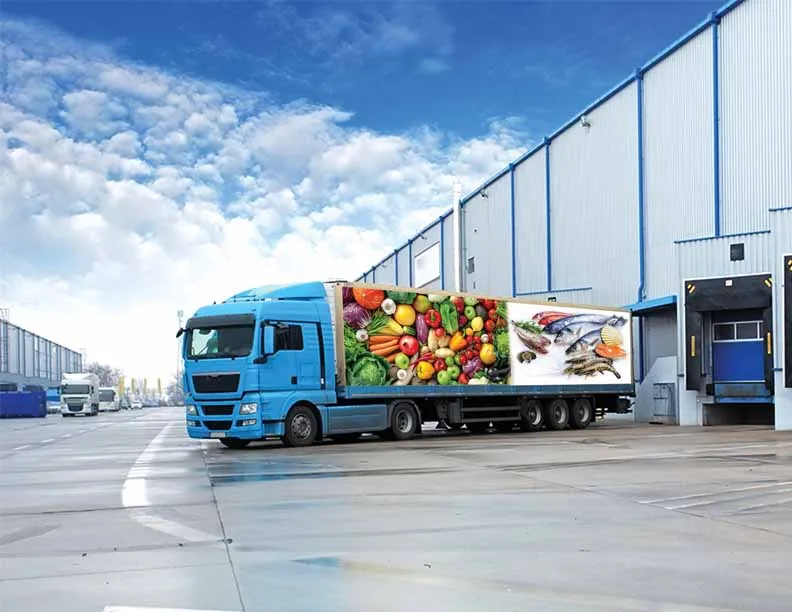
Modern refrigerated containers, commonly known as reefer containers, are equipped with sophisticated cooling technologies engineered to sustain stable temperatures during long distance transport. These units feature accurate temperature controls, airflow management systems, and advanced insulation technologies that protect goods from adverse external environmental conditions.
In addition to this, many refrigerated containers include digital monitoring systems that continuously record performance data throughout the entire transport period. This technology enables exporters to confidently transport fruits, vegetables, seafood, meat products, and other perishable goods while maintaining quality standards across international shipping routes.
Pharmaceutical logistics presents unique challenges in cold chain logistics due to strict regulatory requirements and product sensitivity. Many medical supplies must remain within specific temperature ranges. These challenges include:
Customs delays can significantly impact temperature sensitive shipments, particularly pharmaceutical products that require strict environmental control. Additionally, lengthy customs clearance procedures can put goods at risk if proper storage conditions aren’t maintained. Accurate documentation, compliance with regulations, and proactive coordination with customs authorities help minimize delays and protect product integrity.
Moving medicines through different regions requires coping with climatic fluctuations and extreme heat that threaten temperature controlled systems. Additionally, utilizing appropriate packaging and insulated containers is essential to ensure product safety throughout the journey, the use of appropriate packaging and continuous monitoring systems is essential to maintain the required conditions.
Navigating international regulations in pharmaceutical logistics requires understanding compliance rules, storage regulations, and documentation requirements. Additionally, to prevent shipping delays and protect product safety, companies must maintain accurate records, adhere to quality standards, and collaborate with experienced logistics providers to ensure cross border operations run smoothly and meet all required standards.
By leveraging sophisticated monitoring technologies, Freight Club provides comprehensive, real time visibility into the status of shipments during transit. Smart sensors continuously monitor temperature and humidity, enabling logistics teams to identify and address potential risks before they affect the quality of the goods.
As soon as environmental conditions differ from predefined limits, the real time monitoring system triggers immediate alerts so that corrective actions can be taken right away.
This proactive approach is essential for ensuring the integrity of cold chain logistics, as it significantly reduces risks, ensures strict compliance with regulatory requirements, and enhances delivery reliability across the entire global supply chain network.

In cold chain logistics, effective operational protocols during the transportation phases are vital for maintaining the quality of goods and improving the efficiency of distributing perishable goods. These practices include:
Controlled handling: Prepare perishable goods in temperature-controlled areas prior to transport to prevent premature exposure to temperature fluctuations.
Rapid Cargo Movement: Move inventory quickly during loading and unloading to minimize harmful temperature fluctuations.
Equipment Verification: Inspect and confirm the performance of the refrigeration system before placing any products in transport units.
Optimize airflow: Position goods strategically to ensure unobstructed air circulation and maintain a stable climate.
Standardized staff protocols: Implement standardized handling practices to reduce the risk of contamination and enhance cold chain performance.
Temperature fluctuations can lead to product damage, hefty fines, and reputational harm. Investing in trusted monitoring systems and specialized equipment helps mitigate these financial risks. Consequently, robust cold chain logistics are essential for protecting revenue streams, enhancing supply chain resilience, and driving long-term business growth in today’s highly competitive markets.
Choosing the right refrigerated fleet is vital for domestic climate control. Companies must assess vehicle capacity, insulation quality, and cooling performance against specific cargo needs. In addition, prioritizing fleet reliability, routine maintenance, and tracking capabilities allows businesses to boost delivery consistency, cut logistics expenses, and secure product quality during transit.
Sudden equipment failure threatens the temperature sensitive nature of goods. Establishing comprehensive emergency protocols including backup refrigeration, alternative transport, and fast communication minimizes disruptions. Early issue detection allows teams to act before damage occurs. These contingency plans strengthen supply chain resilience, minimize financial losses, and safeguard perishable goods during unforeseen logistics crises.
Temperature control helps preserve product quality, safety, and compliance throughout transportation and storage operations.
Cold chain management is commonly used for food products, pharmaceuticals, medical supplies, seafood, dairy products, and other temperature-sensitive goods.
Real time monitoring allows logistics teams to detect environmental changes quickly and take immediate corrective actions before cargo quality is affected.
Successful cold chain logistics operations require precise monitoring, reliable transportation, and proactive risk management to protect temperature sensitive products. Contact Freight Club to learn how our specialized solutions can help safeguard your shipments, and ensure consistent product quality across every stage of the supply chain.