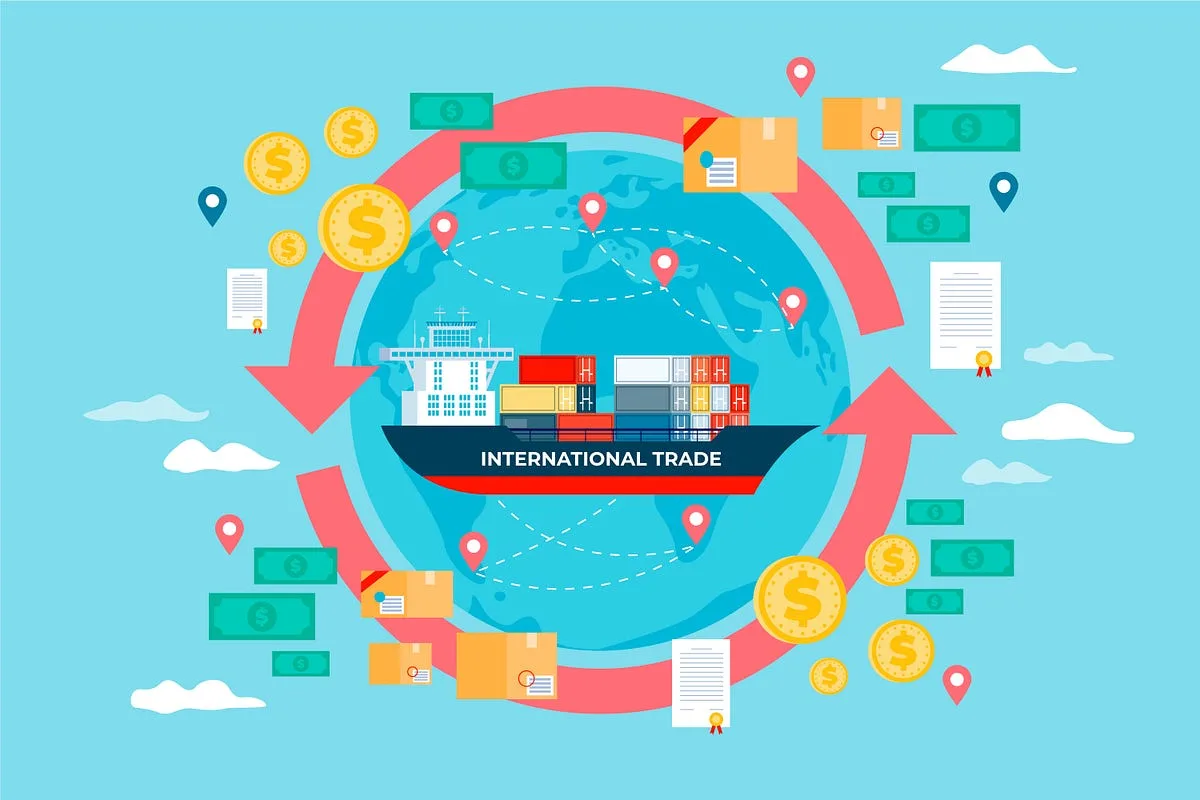
The main guidelines and principles of international shipping training and transportation (air and sea) are introduced to participants in this training program, which also gives them the skills and information they need to succeed in the industry. Participants will also learn customer service techniques that are especially suited to international shipping and logistics, as well as how to efficiently manage customer concerns in the global shipping environment.
International Shipping Training
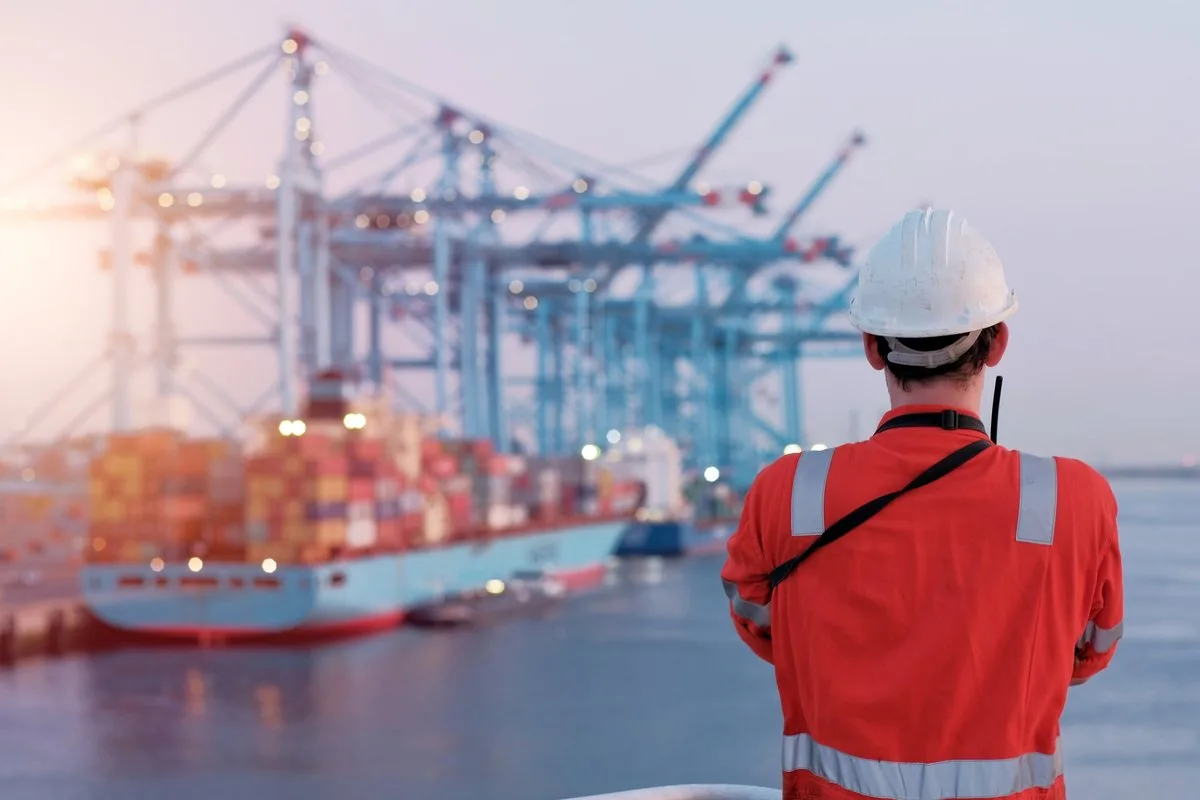
Maintaining the safety, effectiveness, and legal compliance of the global supply chain—which transports more than 80% of the world’s goods—requires international shipping training.
Trained experts are crucial to lowering operating costs, managing hazards, and ensuring compliance with intricate international standards like Incoterms and the International Maritime Organization (IMO) as the sector evolves toward more digitization and sustainability.
The following are the main advantages and significance of international shipping training:
Ensuring Compliance and Safety
- Safety of Life at Sea (SOLAS): By ensuring compliance with international safety standards, training lowers the dangers associated with marine activities.
- Regulatory Compliance: Professionals need to remain abreast of evolving environmental rules, international legislation, and marine certifications like the Standards of Training, Certification, and Watchkeeping (STCW).
- Dangerous Goods Handling: In order to properly classify, package, and document hazardous items like lithium batteries, export‑import training is necessary.
Cost-cutting and operational efficiency
- Optimizing Logistics: Employees with the right training can handle complicated transportation choices (air, sea, and intermodal), cutting down on transit times and expenses.
- Customs and Documentation: Preventing expensive delays and fines requires an understanding of international documentation, such as bills of lading, certificates of origin, and customs processes.
- Damage Minimization: There are fewer damaged shipments since skilled workers are able to handle and protect cargo.
Innovation and Adaptation of Technology
- Upskilling for Digitalization: An estimated 800,000 seafarers will need to upgrade their skills as the sector moves toward AI-driven navigation and automated air & sea logistics course.
- Technology Utilization: Employees who get training can use sophisticated tracking and monitoring technologies to increase supply chain visibility.
Risk Reduction
- Marine Insurance Management: Training lowers premium costs and improves risk management by assisting businesses in understanding insurance regulations.
- Contractual Knowledge: Legal protection during disputes is ensured by an understanding of international contract law and Incoterms (2020).
read more: Freight Certification
Professional Growth and Industry Image
- Professional Development: For professionals hoping to move into management roles, ongoing training and certification are crucial.
- Industry Reputation: Businesses that spend money on training improve their standing for dependability and safety, which draws in more customers.
For businesses to be competitive in a worldwide market that is becoming more complicated and regulated, international shipping training is crucial.
Why the Shipping Industry Needs Digital Training
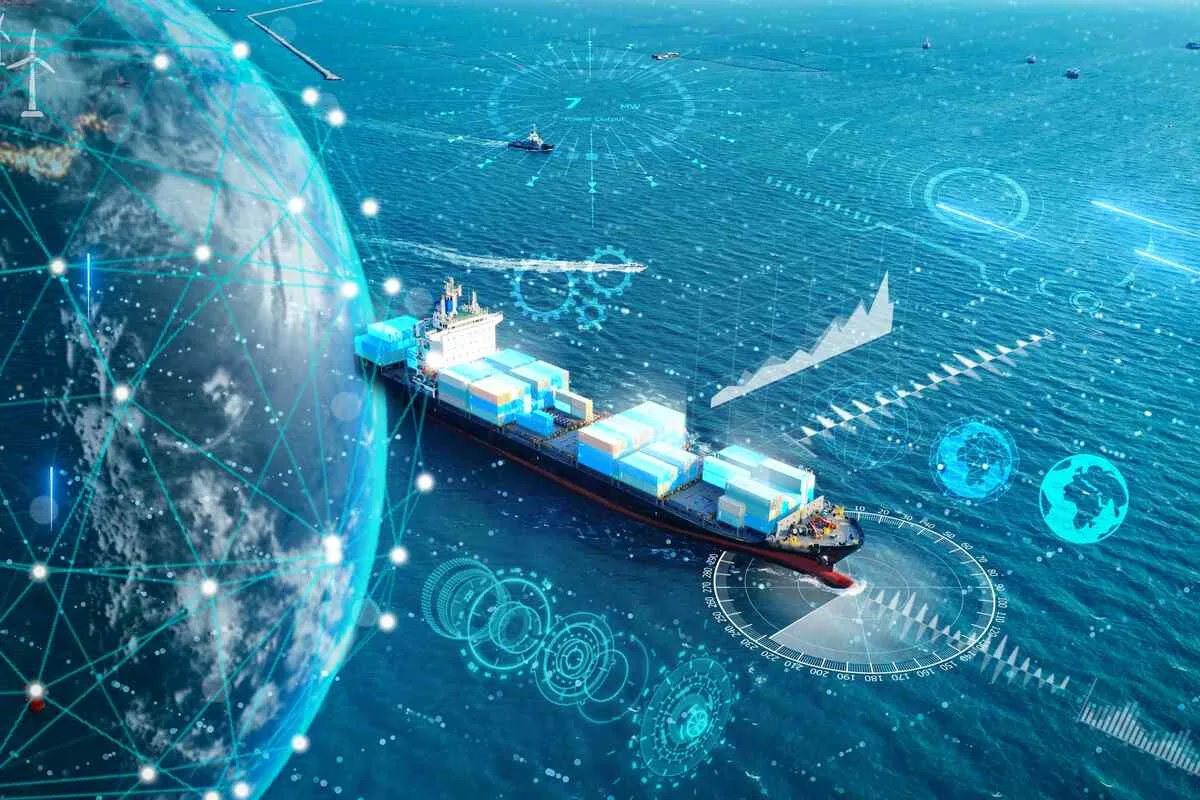
With the use of technology systems to improve route planning, safety, and navigation, international shipping training has become more complex. Therefore, in order to maximize the advantages of digitalization, the competencies and abilities of individuals employed in the sector must improve at the same rate.
However, up to 800,000 seafarers would need upskilling by the mid-2030s. This can only be accomplished by integrating technology into training for international shipping. Your staff will feel more at ease adjusting to new advancements as they emerge if you design training frameworks that are future-proof and integrate digitalization into current procedures.