
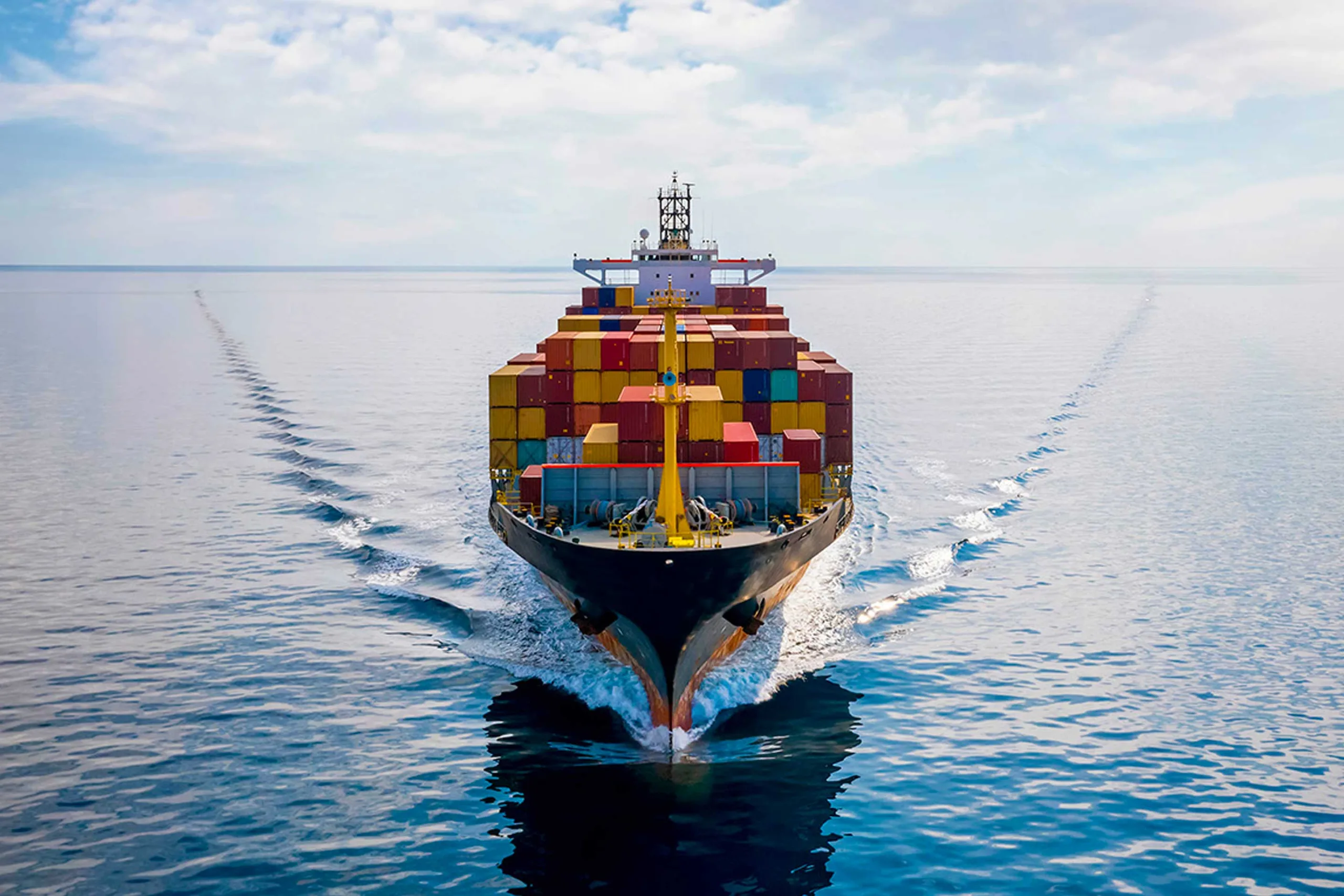
One of the most important aspects of international transportation is shipping lines, which are essential for tying together economies throughout the globe. These lines facilitate the huge transfer of commodities, from raw materials to completed products, via a vast network of ports and ships.
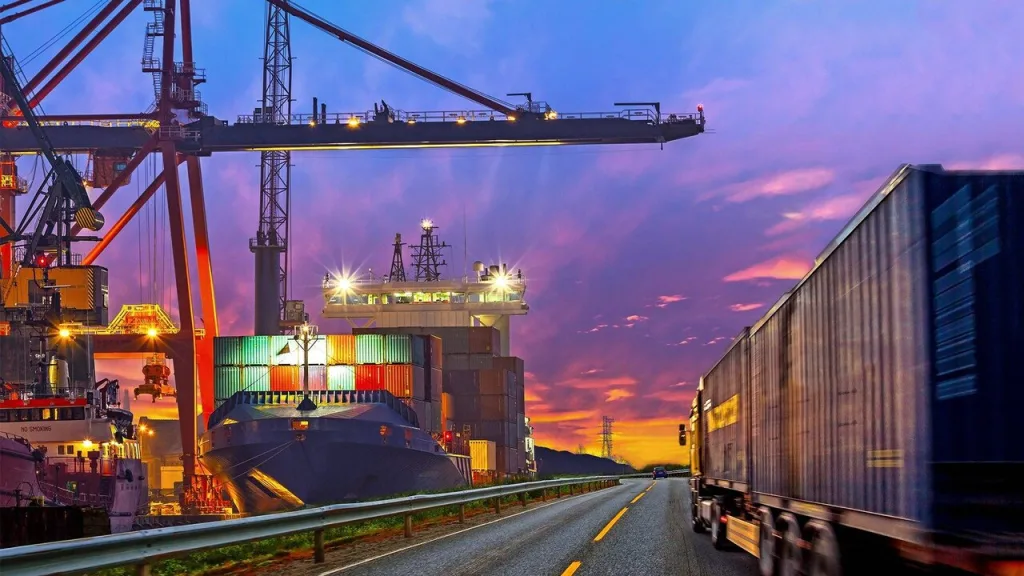
Over 80–90% of international trade is facilitated by shipping lines, which are vital to the global economy because they move manufactured commodities, fuel, and raw materials across the globe.
They serve supply chains, production, and consumer demand by ensuring the timely, safe, and economical transportation of cargo. They provide effective inventory management, cutting-edge technology, and vast international networks.
Companies that run fleets of cargo ships to move commodities across international borders are known as shipping lines. Shipping lines, as opposed to freight forwarders, own and operate the ships that transport containers between ports worldwide.
By guaranteeing that cargo arrives at its destination promptly, securely, and effectively, these businesses play a crucial part in international trade. Any company that engages in import and export operations must have a solid understanding of shipping lines.
A middleman that assists companies in planning shipments but does not run ships is known as a freight forwarder. On behalf of the customer, they are responsible for logistics coordination, which includes packing, cargo booking, and occasionally even shipping line selection.
Because freight forwarders offer assistance with documentation, customs clearance, and customized solutions, many small and medium-sized firms favor them. However, they depend on shipping companies to transport the goods across seas because they do not own any ships.
Since shipping lines enable the effective, large-scale movement of products, the contemporary, worldwide economy could not operate without them.
Transporting full containers, or FCL cargo, by water is the primary responsibility of shipping firms. Finding a less expensive option that provides access to a container for modest volumes of goods, or LCL cargo, has become necessary due to the abundance of small and medium-sized import and export enterprises.
This phase is where freight forwarders start working. Freight forwarders are responsible for providing international logistics services while individually adhering to each client’s unique demands.
Shippers are given slots on container ships through collaboration with shipping firms and other supply chain participants, enabling users to move goods in entire containers or combine goods from many owners.
Technology is essential for cutting down on time and expenses in foreign travel since it enables real-time operations monitoring, automatic report generation, and centralization of all documents.
Optimization of the sector, and therefore transportation businesses, has been made feasible by digitization. Shipping line services come in two varieties:
The shipping businesses that provide this service arrange ships for the various kinds of goods according to a predetermined itinerary and route, which includes expected arrival and departure dates. Every cargo is covered by a Bill of Lading agreement.
This phrase, which translates to “wanderer” in English, is used in the business since the vessel has no set home (route) and is free to travel the world in search of a job.
This service is available at short notice to convey any cargo from any port to another and does not contain set routes, an itinerary, or a set schedule.
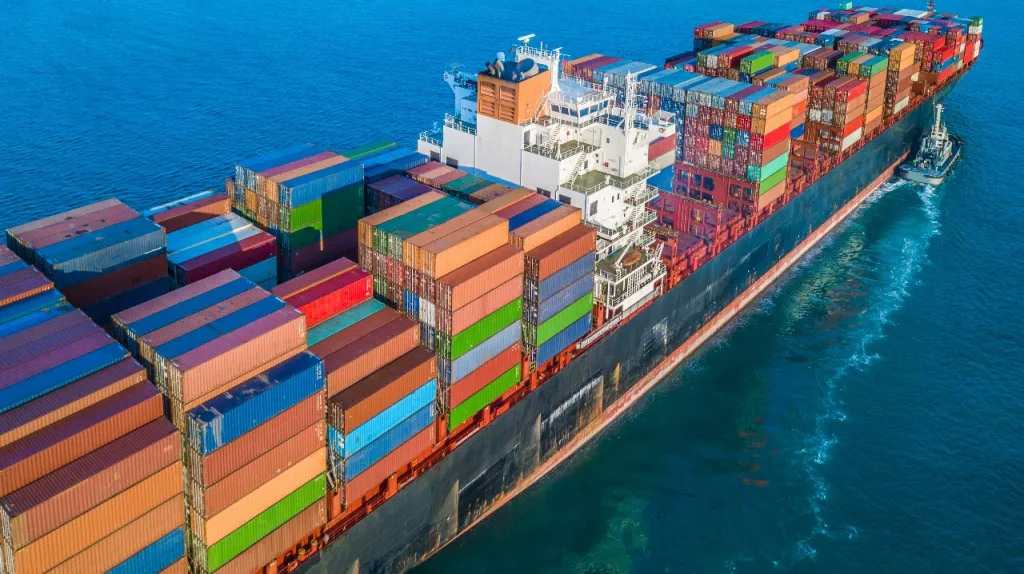
Ownership and accountability are the primary distinctions between shipping lines and freight forwarders. Goods are transported aboard ships by shipping lines directly, with freight forwarders serving as coordinators. Smaller shipments are frequently best handled by freight forwarders, while businesses that ship in bulk could gain more by dealing directly with shipping lines.
The worldwide network and dependability of ocean carriers in international trade are other significant benefits. Shipping companies often have access to major ports worldwide, unlike smaller service providers, so your products will arrive at nearly any location on schedule.
Additionally, they make significant investments in cutting-edge logistical solutions, digital tracking systems, and contemporary ships that increase company transparency.
For businesses that frequently handle big shipments, this degree of visibility and control is essential. In international supply chains, collaborating with seasoned suppliers like Freight Club may assist in cutting down on delays, maximizing savings, and boosting overall effectiveness.
International courier services are innovative for both individuals and businesses. With reliable, timely delivery and reasonably priced, secure solutions, they simplify the difficulties of international shipping.
Whether you’re sending presents to loved ones overseas, running an online business, or delivering important papers, these services provide a hassle-free experience.
If you’re looking for a trustworthy partner for your international shipping needs, Freight Club offers comprehensive solutions that are tailored to your requirements. Our attention to quality, global network, and expertise make international shipping simple and stress-free.
To guarantee smooth international trade, businesses like Freight Club integrate knowledge, technology, and dependability. Understanding the fundamentals of shipping lines and freight forwarders can help you make wise selections that will save expenses and increase the effectiveness of your supply chain.