

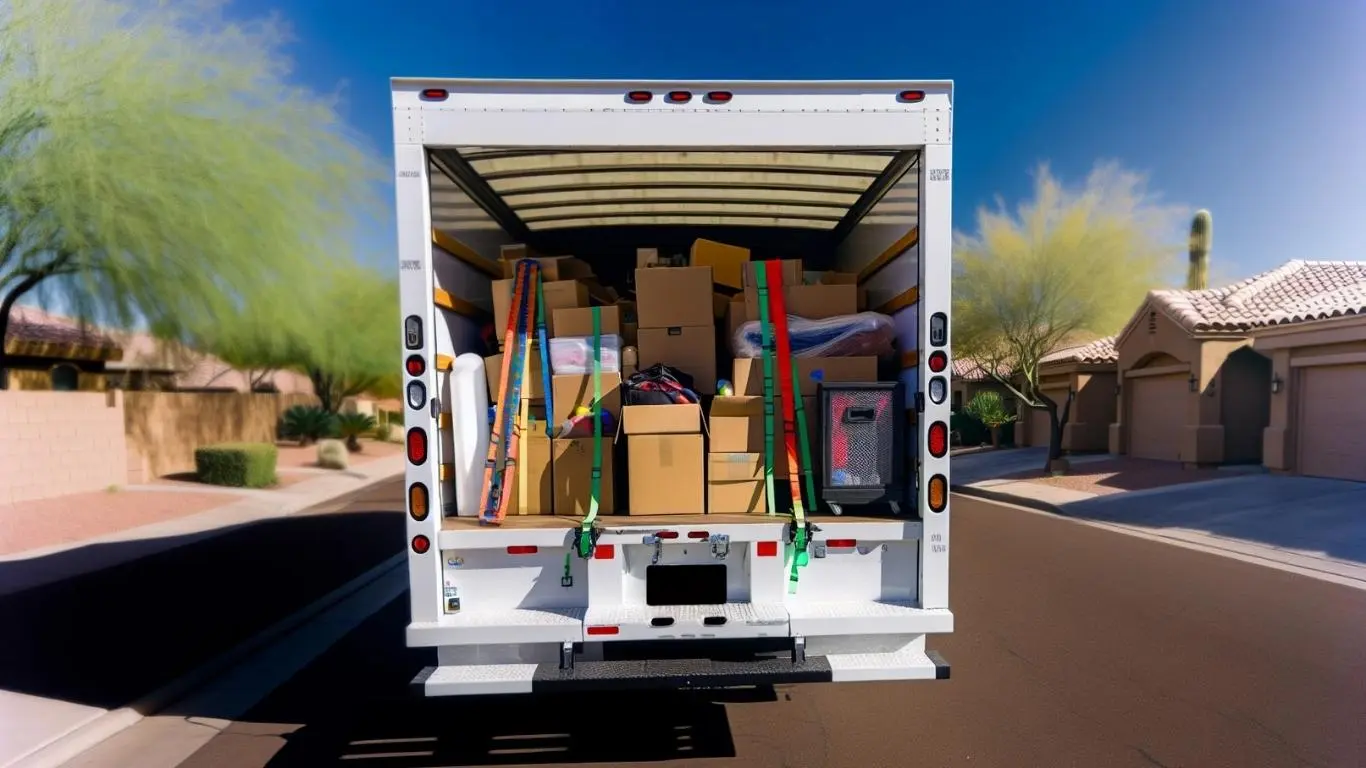
Shipping furniture across country means moving furniture from one place to another over a long distance. People usually do this when relocating to a new city, changing homes, or delivering furniture to customers. While the process may look simple, it actually requires careful planning. Poor planning can lead to damaged furniture or unexpected high costs.
Many small business owners face these challenges when dealing with Shipping companies in Egypt for small business, especially when shipments involve long distances and bulky items.
This guide explains the process step by step, helping you understand costs, preparation, and the best transport methods.
The cost of shipping furniture across country depends on several key factors. Distance plays a major role, as longer trips usually cost more. The size and weight of the furniture also affect pricing, with large or heavy items increasing the total cost.
Additional services such as packing, storage, or special handling can raise prices. Delivery speed matters as well, since faster shipping options are usually more expensive. Understanding these factors helps you plan your budget and avoid surprises.
Transport method also affects the final cost. Road transport is often the most affordable choice for domestic moves. Sea transport works well for very long distances, while air transport is the fastest but most expensive option.
There are three main transport methods used for long-distance furniture shipping.
Road shipping is the most common option and suits short to medium distances.
Sea shipping is ideal for long-distance or overseas transportation.
Air shipping is fast but expensive and usually reserved for urgent shipments.
Most people choose road or sea transport because they offer a good balance between cost and safety.

Proper preparation is essential before shipping furniture across country. Furniture should be cleaned to prevent dirt from causing damage during transport. Removable parts like legs or shelves should be taken apart if possible.
Wrapping furniture with bubble wrap or thick covers protects it from scratches and breakage. Good preparation reduces the risk of damage and makes handling easier during loading and unloading.
It is also recommended to take photos of the furniture before packing. These photos help confirm its condition upon delivery.
Disassembling furniture makes shipping safer and more organized. Small parts such as screws and fittings should be placed in sealed bags and labeled clearly.
Boxes and furniture pieces should be labeled, especially fragile items. Clear labeling helps during transport and reassembly and reduces the chance of damage caused by mishandling.
Fragile or antique furniture needs extra care. Strong packing materials should always be used, and heavy items should never be placed on top of delicate pieces.
Glass and wooden furniture require extra padding and secure wrapping. Careful handling helps protect valuable items that cannot be easily replaced.
Insurance is an important part of shipping furniture across country. Even with careful packing, accidents can still happen during transport. Insurance coverage protects you financially if furniture is lost or damaged.
Many people rely on guides such as Insurance for Transporting Goods
to understand coverage options and protect their furniture during long-distance shipping.
Shipping a single item does not require renting a full truck. Many companies offer shared shipping services, where your furniture is transported alongside other shipments.
This option reduces costs and works well for items like chairs, desks, or small tables. Measuring furniture accurately helps avoid extra fees, although delivery may take slightly longer.
Packing is one of the most important steps in shipping furniture across country. Bubble wrap, cardboard, and padding should be used to protect surfaces and sharp edges.
Furniture should be secured so it does not move inside the package. Extra padding for corners and glass parts helps prevent damage during transport.
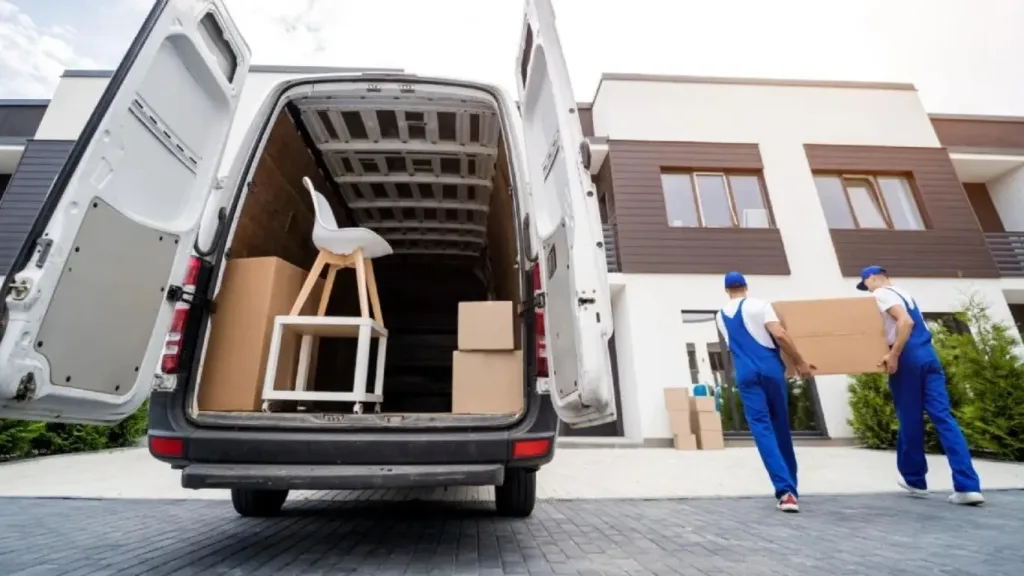
Many types of furniture are shipped every day, including sofas, beds, wardrobes, tables, desks, and cabinets. Office furniture is also commonly transported.
Each type requires a different packing method. Sofas need strong wrapping, beds and wardrobes often need disassembly, and glass tables require extra padding and clear fragile labels.
Shipping furniture overseas is more complex than shipping it locally. International shipping requires additional paperwork, customs checks, and longer delivery times, which increases costs.
Local long-distance shipping is usually faster and simpler. The right choice depends on distance, budget, and delivery time.
Freight Club works as a guide that helps users find trusted shipping and logistics companies. It does not handle shipping directly but helps compare options and choose the most suitable provider.
This approach saves time, reduces confusion, and makes shipping furniture across country easier.
Shared road shipping is usually the cheapest option because you only pay for the space you use.
Costs depend on size, weight, and distance. Sea shipping is usually cheaper than air shipping.
Small items are cheaper, while large or heavy furniture costs more.
Yes, especially if the furniture is valuable or hard to replace.
Sea freight companies are usually cheaper than air freight companies.
A 40-foot container can fit furniture from a medium or large home.
Road shipping works best for local moves, while sea shipping is ideal for long distances.
The cost depends on distance, but shared shipping is often cheaper.
Sea shipping is the cheapest option for large international moves.
Yes, with proper packing, documents, and a reliable shipping company.
It depends on size and distance, but road shipping is often affordable.