

To manage the intricacies of global commerce, lower financial risks, and improve operational effectiveness, shipping and export courses are crucial. These courses offer useful information on rules, paperwork, and logistics that may help you avoid expensive blunders, whether you’re a professional trying to progress in your field or an aspiring business owner.

Shipping and export courses
You’re not the only person who has ever questioned whether taking international trade courses is worthwhile.
Shipping and export courses may be the key to opening up profitable employment prospects and company initiatives, as many Egyptians professionals and prospective entrepreneurs are finding out.
Now is the ideal moment to engage in import export training because of the quick growth of global commerce and Egypt’s advantageous location in international marketplaces. This post will explain the rationale behind this investment and how it can change your career trajectory.
This is a thorough explanation of why shipping and export courses are necessary:
Customs and Legal Frameworks: There are strict regulations governing international trade. To avoid shipping delays, penalties, or fines, courses educate you on how to handle Incoterms, trade rules, and customs processes.
Documentation Mastery: To ensure a seamless customs clearance process, you will learn how to generate the necessary paperwork.
Risk management: Training assists you in recognizing and reducing risks such as political unrest, nonpayment, and currency changes.
Supply Chain Management: Acquire the skills necessary to efficiently manage inventories, select the best means of transportation (air, sea, and land), and optimize logistics.
Cost management: By negotiating better prices with freight forwarders, one may lower total transportation expenses by being aware of the correct shipping methods.
High-Demand Skills: Due to the industry’s rapid growth, there is a great need for qualified individuals in positions like trade compliance officer, logistics coordinator, and import/export manager.
Lucrative Opportunities: Salary increases of 10–20% are anticipated for certified professionals.
Starting/Scaling a Business: These courses give business owners the groundwork they need to start a trade company, locate suppliers and customers, and enter international markets.
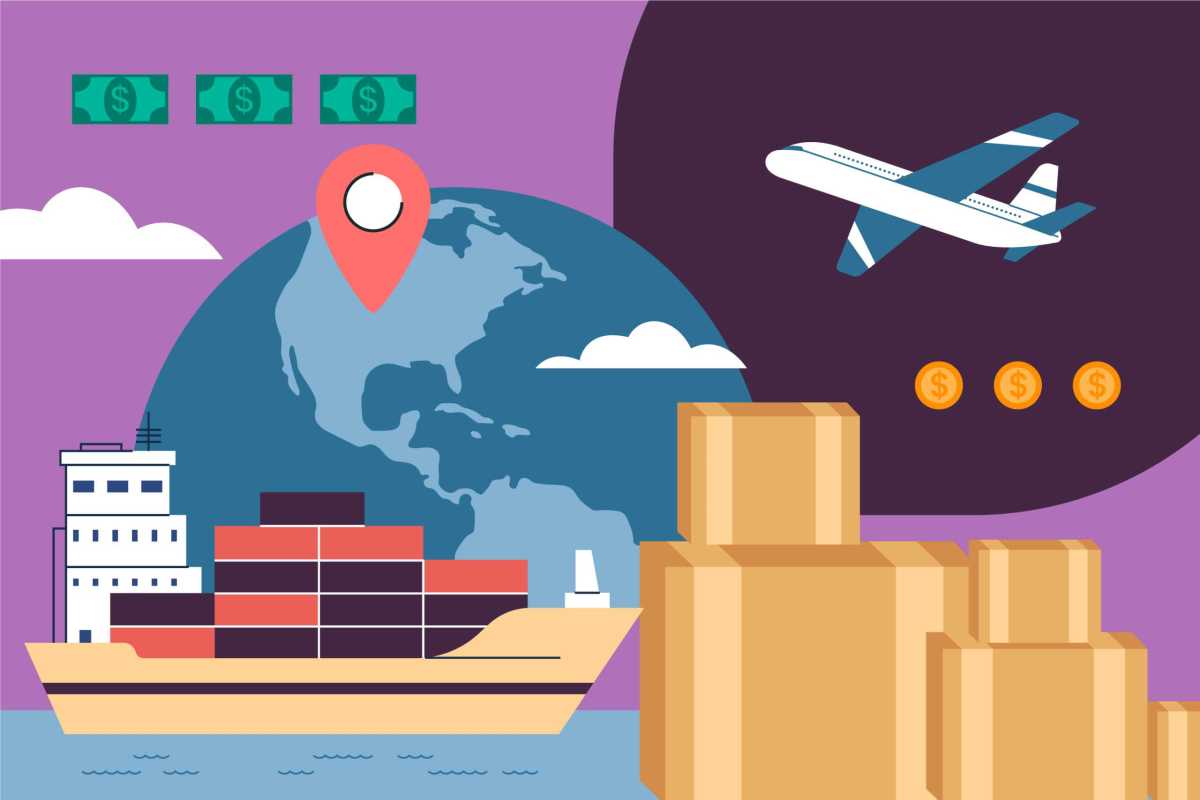
Shipping and export courses
Networking: Attending classes gives you access to professionals in the field and a professional network, which may open up new business prospects.
Updated Knowledge: Trade laws, such as Incoterms 2020 or new Customs Declaration services, are constantly changing. Structured training guarantees that you are up to speed on these changes.
Import-export success requires more than just theoretical understanding. It calls for confidence, current industry knowledge, and practical abilities.
By spending money on hands-on training, you prepare yourself to:
Practical training is not just advantageous, but essential if you’re serious about pursuing a profession or business in import-export.
Enroll Now at Freight Club of shipping and export courses to Begin Your Import-Export Adventure!