


Middle East shipping plays a vital role in connecting companies across Egypt, Saudi Arabia, the UAE, and the Middle East and North Africa (MENA) region as a whole. As trade volumes continue to grow, companies need trusted logistics solutions that ensure faster transport, effective customs clearance, and efficient shipment management.
Freight Club helps companies meet regional shipping requirements through integrated logistics services tailored specifically for modern supply chains. Thanks to the expanding trade corridors, advanced port infrastructure, and growing demand for e-commerce, Middle East shipping has become a key driver of economic growth and cross border trade across the region.
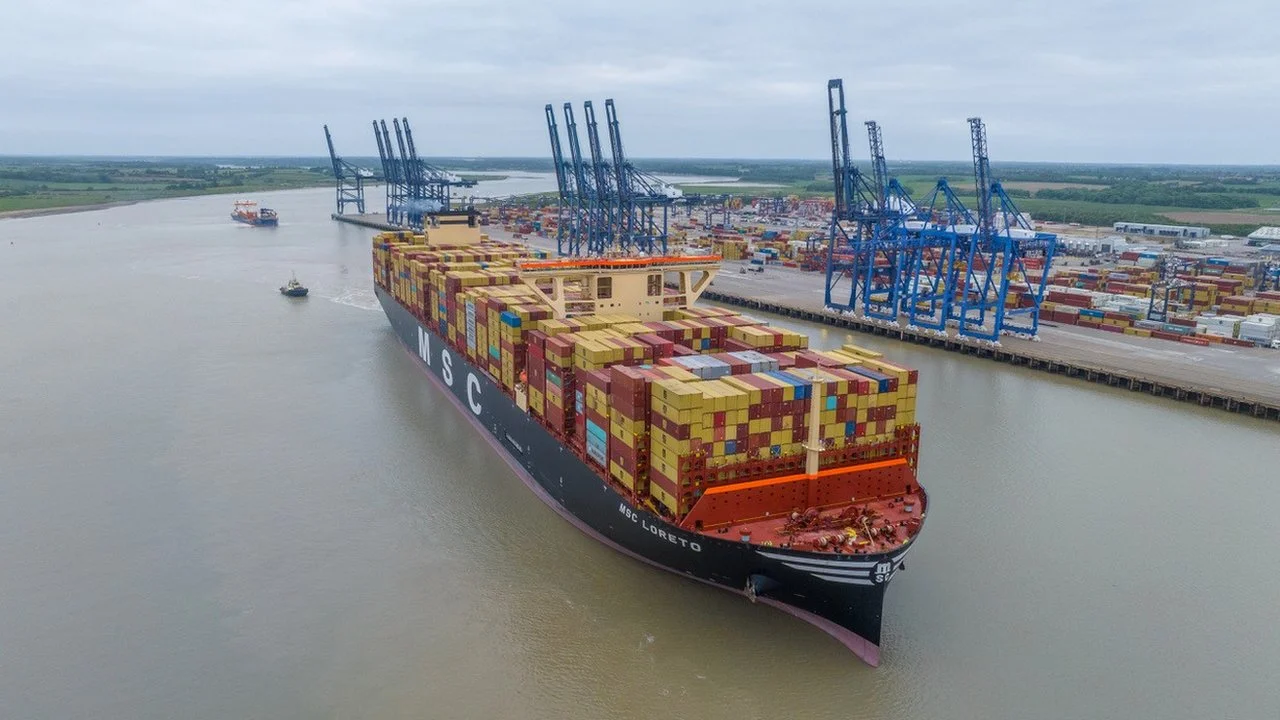
Egypt is strategically located between Africa, the Middle East, and Europe, making its ports critical gateways for regional commerce and strengthening Middle East shipping connectivity. Additionally, key ports, such as Alexandria, Damietta, and Port Said, enable the transportation of goods to Saudi Arabia, the UAE, Kuwait, and North African markets.
Apart from that, companies benefit from regular shipping services, extensive maritime connectivity, and a growing logistics infrastructure. These advantages enable exporters and importers to access regional markets more effectively while maintaining the integrity of supply chain operations and minimizing the complexities of multiple destinations.
The Suez Canal is one of the world’s most important marine corridors, connecting Asia, Europe, and the Middle East. The canal also substantially shortens transport distances for regional companies compared to alternative routes.
Additionally, its strategic location helps support trade flows between Egypt and the Gulf states and strengthens connectivity with international markets. Furthermore, the canal reinforces Egypt’s position as a logistics hub, enabling companies to optimize shipping schedules, increase the efficiency of cargo movement, and support regional economic development by streamlining maritime transport.
Free zones in Egypt, Saudi Arabia, and the UAE offer valuable opportunities for companies involved in international trade and Middle East shipping. These zones often offer customs benefits, streamlined procedures, and higher operational flexibility, helping companies streamline the transportation of goods, improve supply chain effectiveness, and expand their regional presence.
Moreover, regional trade deals can help companies minimize tariffs and improve market access. Understanding regional regulations, documentation requirements, and compliance standards is essential to avoiding delays and ensuring the flow of goods. Furthermore, companies that effectively capitalize on these opportunities can enhance their competitiveness and support long term regional expansion strategies.
Transit times rely on many factors, including shipping routes, carrier schedules, customs procedures, and the type of cargo. Shipments transported from Egyptian ports to major destinations in the Gulf region often reach their destinations in record time, thanks to effective logistics planning.
Simply put, precise schedules, accurate documentation, and proactive shipment management help minimize delays. Apart from that, companies that work with experienced logistics service providers have a clearer view of the transportation schedule, enabling them to optimize inventory planning, meet customer expectations, and maintain operational efficiency throughout the supply chain.
Customs procedures remain among the most important factors to consider in regional trade. Each country has its own unique requirements regarding documentation, import regulations, and customs clearance procedures, because incomplete documentation or a misunderstanding of regulatory requirements can lead to delays and increased costs.
Therefore, successful companies take care to prepare documentation carefully, stay abreast of constantly changing requirements, and collaborate with logistics partners who are knowledgeable about regional customs procedures. Taking a proactive approach to compliance helps expedite the customs clearance process, minimize administrative challenges, and improve the overall trustworthiness of across border shipments.
Freight Club offers flexible logistics solutions by combining multiple modes of transportation to optimize goods transportation across the Middle East shipping networks. Intermodal transport may include ocean freight, overland transport, and other integrated logistics services tailored to meet specific shipping requirements, helping companies improve efficiency and supply chain performance.
Moreover, this method allows companies to balance speed, cost, and operational efficiency while maintaining shipment traceability. By coordinating cross border transport operations, Freight Club helps its clients streamline logistics processes, improve delivery performance, and respond more effectively to changing market demands throughout the Middle East and North Africa region.
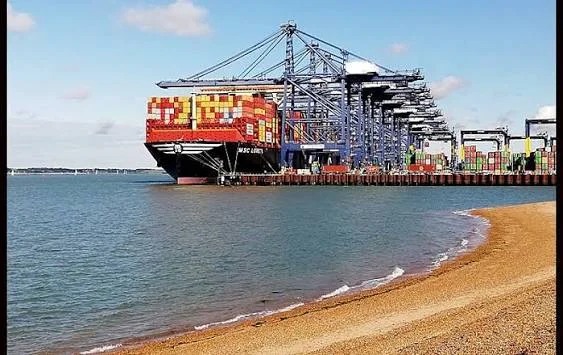
E-commerce continues to revolutionize supply chains across the Middle East, boosting remarkable growth in the Middle East shipping services. Rising consumer demand has led to an increased need for efficient fulfillment centers, state of the art warehousing facilities, and trusted last mile delivery networks.
Key logistics hubs in Saudi Arabia, the UAE, and Egypt are expanding to support this growth. As digital commerce accelerates, companies need logistics partners capable of efficiently managing inventory, transportation, and distribution. A robust logistics infrastructure enables companies to serve customers faster, while supporting sustainable business growth in competitive markets.
Egyptian exporters can minimize costs through strategic planning, consolidating shipments, and optimizing packaging. Capitalizing on regional trade opportunities and collaborating with experienced logistics providers enhances efficiency. Apart from that, these practices boost profitability and ensure reliable market access through efficient Middle East shipping operations and stronger regional supply chain performance.
Most shipments require commercial invoices, packing lists, shipping documents, and any destination specific regulatory certificates depending on the cargo type and country.
It enables companies to access growing regional markets, improve supply chain connectivity, and support efficient trade between Egypt, Gulf countries, and North African destinations.
Accurate documentation, compliance with local regulations, and working with experienced logistics providers help streamline customs clearance and reduce shipment disruptions.
As regional trade continues to expand across Egypt, Saudi Arabia, and the Gulf countries, efficient Middle East shipping solutions have become essential for business growth. Contact Freight Club today to discover tailored shipping solutions that support your regional expansion goals.