

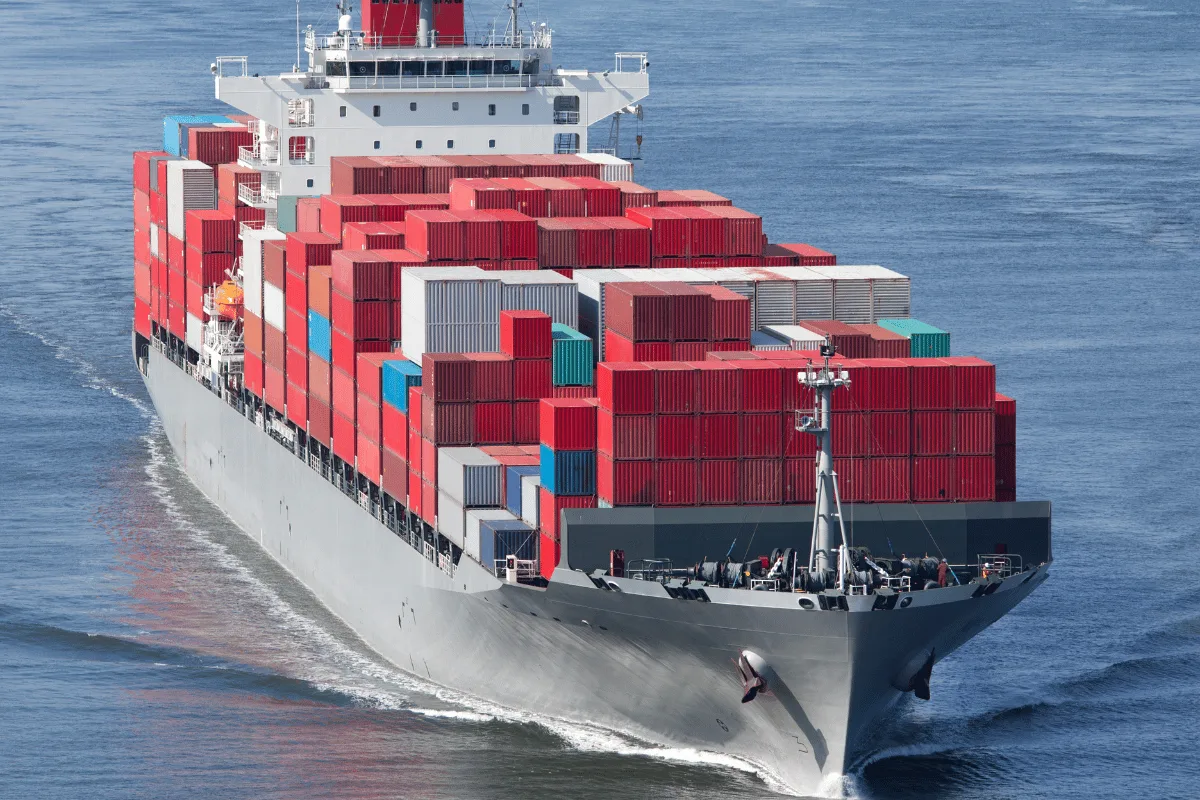
The two primary container transportation methods are referred to as LCL / FCL shipping. To select the ideal choice for their purposes, businesses interested in exporting their goods need to be informed of the benefits and drawbacks of each of these methods.
We shall examine the definitions of FCL and LCL, their potential combinations, and their distinctions in this essay.
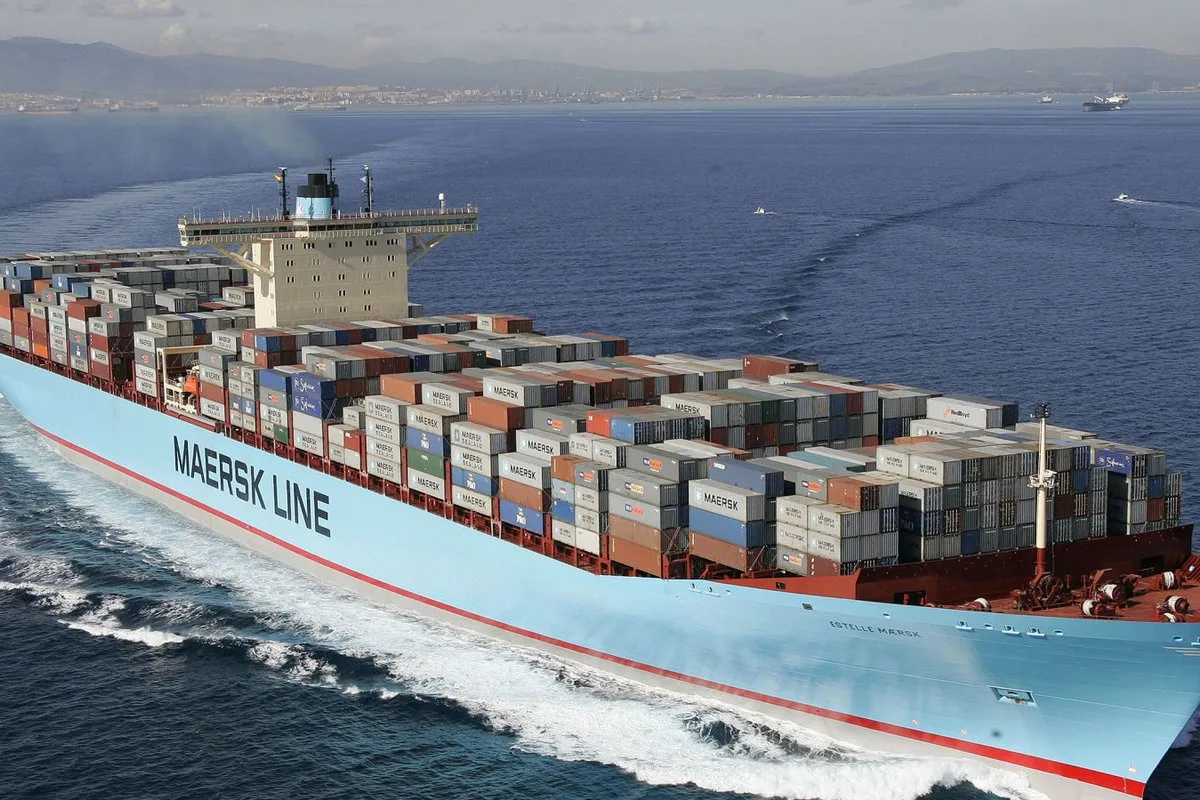
LCL / FCL Shipping
One of the first choices you must make when exporting products by water is whether to reserve a complete container or split space with others. This choice has an impact on cost, time, cargo safety, customs clearance, and overall logistics efficiency in addition to volume.
The main distinctions between LCL / FCL shipping and how to choose the best solution for your company’s needs are all covered in this article.
Less-than-Container Load (LCL), another name for reduced-capacity shipping, is the process of combining many cargoes from several carriers into a single container. Each company just pays for the space their shipment takes up when using Less-than-Container Load (LCL).
For smaller items that don’t need a whole container, it’s a sensible choice that lowers transportation expenses. LCL freight Egypt allows companies to optimize their operations while keeping costs under control when paired with dependable freight forwarding services.
A dedicated container used for a single cargo is referred to as FCL container shipping. No further goods are packed inside the container, even if it isn’t full. This option, which offers quicker transit times and better security throughout the trip, is perfect for companies transporting goods in large quantities.
read more: Air Freight Egypt
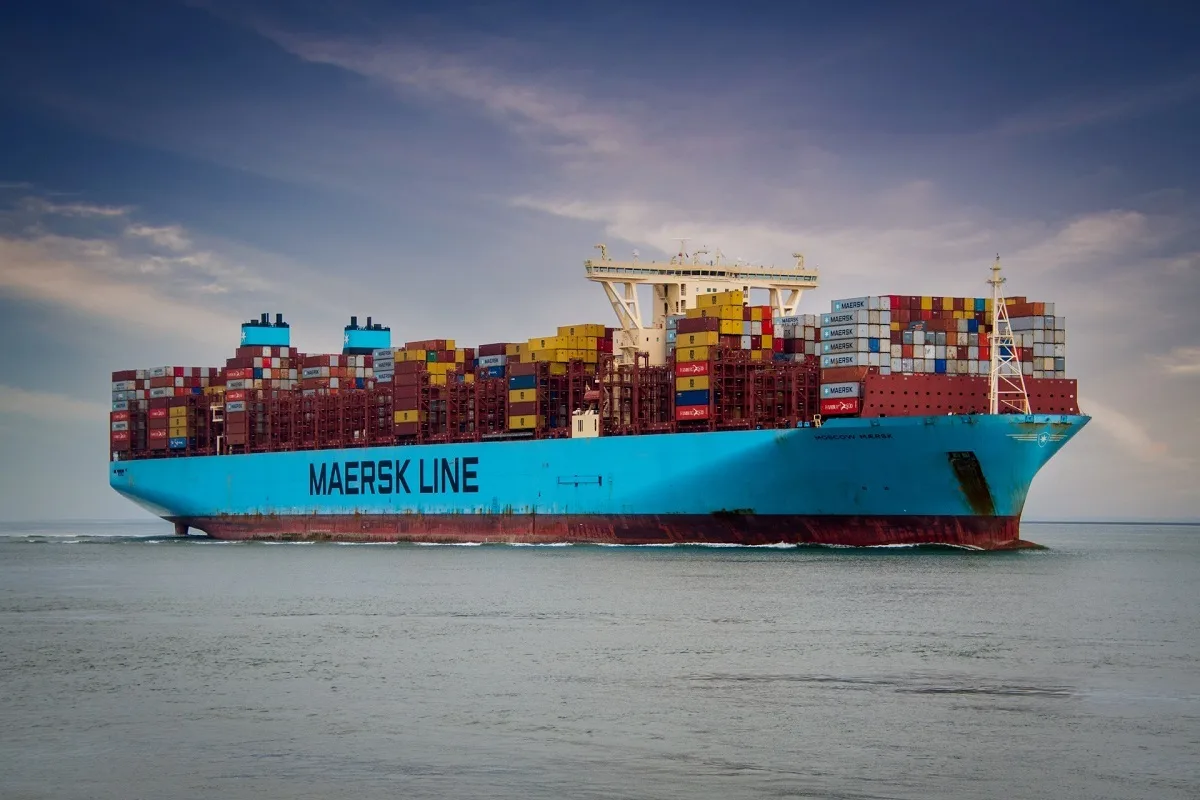
LCL / FCL Shipping
LCL / FCL shipping distinctions:
As previously mentioned, the main distinction between LCL and FCL is that, in contrast to FCL, LCL involves sharing space with other shipments. LCL and FCL vary fundamentally in several ways due to these spatial implications.
Regardless of how the container is used, you pay for the full container when utilizing FCL. As long as it fits within the container, it may be used for shipments of any size. However, you only pay for the dimensions of your shipment because LCL charges are determined per cubic meter (CBM).
Smaller shipments that don’t fill a complete container are better suited for LCL. FCL involves paying for the entire container space when transporting goods in a full container. Because of this, it may be used for bulk shipments that fill a 20- or 40-foot container.
LCL offers great flexibility, making it perfect for several deliveries to various locations or facilities. When distributing to several sites, FCL may need to take extra care with storing, unloading, sorting, and transportation.
Securing space and equipment is challenging during busy times. Because you don’t have to wait for a complete container to become accessible, choosing LCL can be a better option.
read more:Sea Freight Egypt
When deciding between LCL / FCL shipping, there is no one-size-fits-all solution. Your shipment size, urgency, kind of goods, and budget will determine which choice is ideal for you.
If you have sensitive goods, high volumes, or stringent transit time needs, go with FCL.
If you want smaller, more affordable shipments with flexible timing, go with LCL.
Whether you choose FCL or LCL, working with a seasoned logistics company is essential. Freight Club specializes in customized FCL and LCL solutions, guaranteeing that your cargo travels across international trade channels in a seamless, effective, safe, and timely manner.
Get in touch with us to find out how we can customize the ideal sea freight solution for your company’s requirements and sea freight plan!