


The global logistics market stands at a pivotal juncture of transformation, driven by massive shifts in trade dynamics, technological integration, and evolving consumer demands. Valued at USD 6.72 trillion, the Global logistics market is projected to expand significantly to reach USD 8.5 trillion by 2031, growing at a compound annual growth rate (CAGR) of 4.83%. This upward trajectory is deeply rooted in robust e-commerce activity, aggressive infrastructure modernization, and an escalating demand for cross-border courier, express, and parcel (CEP) services.
Asia-Pacific leads the Global Logistics Market in size and growth, with a 6.15% CAGR. Meanwhile, North America and Europe are investing in infrastructure and green corridors. Understanding these regional trends helps businesses optimize supply chains and identify growth opportunities.
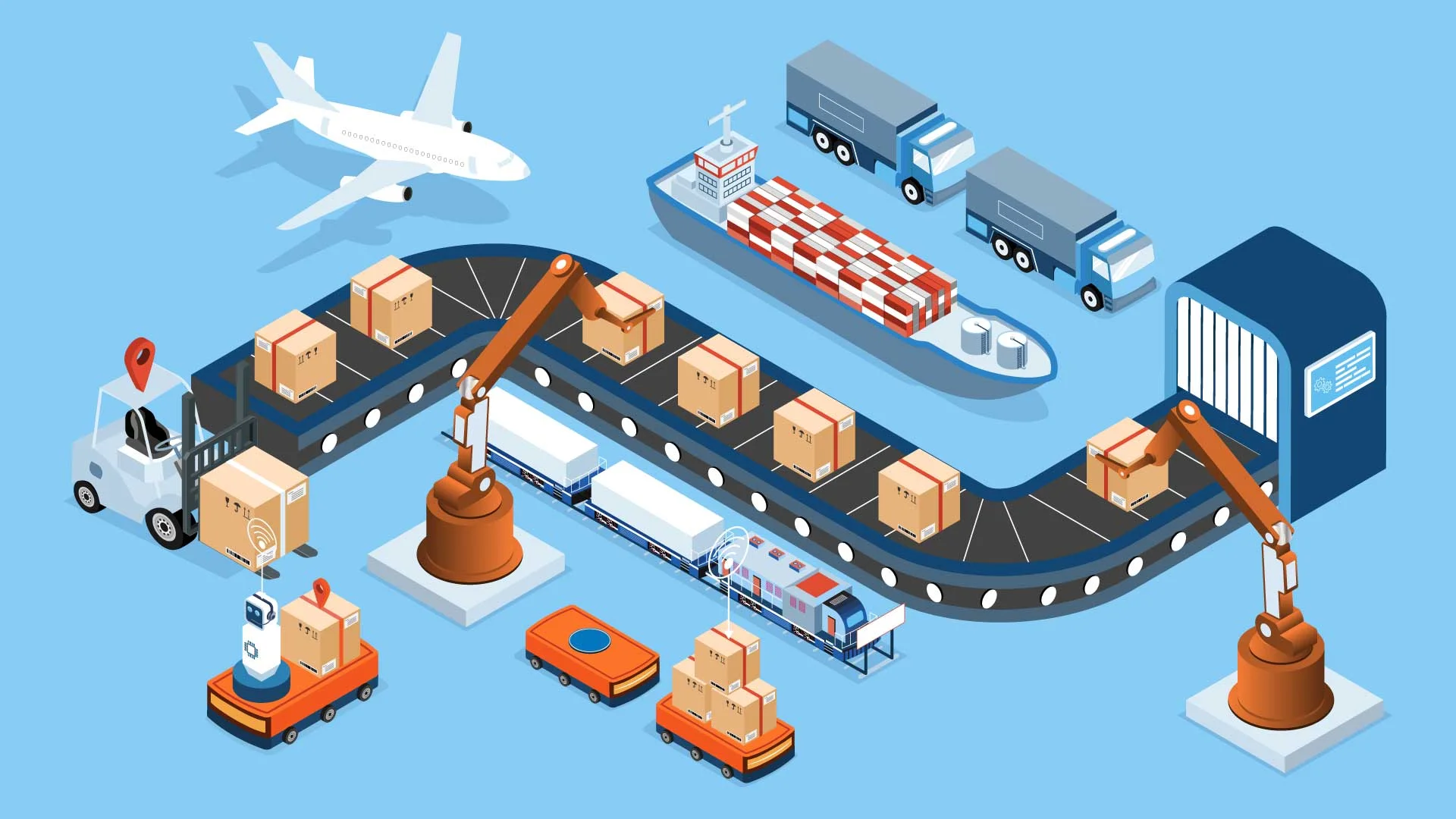
logistics market growth
For decades, global supply chains focused on lean principles and just-in-time inventory to reduce holding costs, but geopolitical tensions, port congestion, and trade disruptions have forced a major rethink across the Global logistics market.
Today, supply chain resilience takes priority over cost-cutting, prompting shippers and logistics service providers to diversify suppliers, maintain safety stock, and build flexible transport routes to withstand disruptions.
In the modern Global logistics market, resilience is no longer just an added expense but a competitive advantage that ensures business continuity and protects profits during unexpected crises.
Technology is redefining how freight moves across land, sea, and air. Artificial intelligence, predictive analytics, and automation are rapidly modernizing legacy workflows across the global logistics market. Carriers and forwarders are deploying agentic AI for dynamic route optimization, predictive maintenance of fleet vehicles, and automated customs documentation processing to minimize border delays.
Furthermore, the implementation of digital twin platforms in mega-warehouses and container terminals allows operators to simulate traffic flows, test contingency scenarios, and optimize storage allocation in real time. Autonomous mobile robots (AMRs), automated guided vehicles (AGVs), and goods-to-person picking systems are also mitigating persistent labor shortages and reducing per-parcel handling costs, ensuring higher throughput and service reliability across the Global logistics market.
To reduce long ocean transit times and avoid transport bottlenecks, manufacturers are increasingly adopting nearshoring and regionalization strategies by moving production closer to key markets in Mexico, Eastern Europe, and Southeast Asia.
This shift is driving demand for regional transport, including cross-border trucking, intermodal rail, and specialized freight forwarding.
As supply chains decentralize, the Global Logistics Market is shifting toward flexible regional corridors that reduce transit times and improve operational efficiency.
Operating within the contemporary Global logistics market requires continuous navigation of capacity constraints, driver shortages, and fluctuating fuel prices. Demographic challenges, such as an aging workforce among professional truck drivers in North America and Europe, continue to exert upward pressure on contract rates and operating costs.
To counter peak season surges and unexpected demand spikes, logistics operators are turning to digital brokerage marketplaces, collaborative container-sharing alliances—such as the Maersk and Hapag-Lloyd Gemini Cooperation—and advanced telematics. These tools provide the agility needed to manage equipment imbalances, secure container chassis, and maintain predictable service delivery despite external market volatility.
In a fragmented industry, finding reliable partners is essential for successful supply chain operations, making specialized B2B directories valuable tools for logistics businesses.
Freight Club connects shippers, customs brokers, ocean carriers, air freight providers, and logistics companies across Egypt, Saudi Arabia, the UAE, and international markets.
Whether businesses need overseas agents, cargo insurance, courier services, or end-to-end supply chain solutions, Freight Club simplifies global networking and helps build trusted partnerships that support international trade.
logistics market freight club
Expanding your international footprint and increasing brand visibility has never been more critical in today’s competitive **Global logistics market**. If you own or manage a shipping, freight forwarding, trucking, or warehousing company, listing your business on Freight Club opens doors to global shippers and industry decision-makers.
Registration is completely free and open to all transport and logistics professionals looking to scale their operations, acquire new qualified leads, and connect with trusted global partners. Join the Freight Club network today to position your business at the forefront of the international trade community.
The global logistics market is undergoing a profound metamorphosis defined by technological innovation, regional production shifts, and an unyielding commitment to supply chain resilience. Organizations that embrace automation, build flexible transport corridors, and leverage strategic partnerships will successfully navigate future disruptions and capture long-term growth. Staying ahead in this dynamic environment requires active collaboration, transparency, and utilization of the right networking platforms to connect with industry leaders worldwide.
The modern logistics market is heavily driven by supply chain resilience, AI-powered predictive analytics, real-time resource allocation, and the need for agile, flexible transport networks.
Freight Club provides a comprehensive directory that bridges the gap between shippers, fleet managers, and verified logistics service providers, making it easier to find reliable transport and maintenance partners.
Registering your company gives you high visibility in front of global shippers and industry decision-makers looking for trusted freight forwarders, carriers, and maritime service providers within the broader logistics market.
Technologies like agentic AI, route optimization, digital twins, and automated warehouse systems are minimizing delays, optimizing capacity, and reducing operational costs across the entire logistics market.
Read More:
Top Logistics Companies in Egypt: 3PL & Supply Chain Guide (2026)
1The Growing Importance of a Reliable Freight Forwarder Network Ksa