

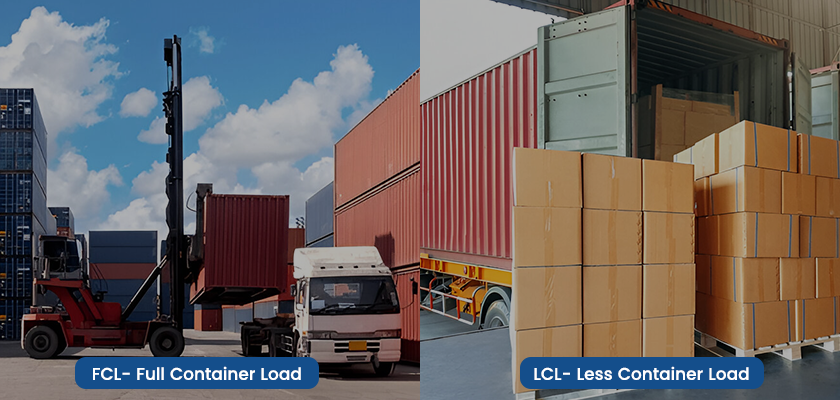
FCL and LCL shipping options provide vital solutions for companies seeking to balance transportation costs, accurate arrival times, and container security. By choosing the appropriate method, companies operating throughout Egypt, Saudi Arabia, and the UAE can seamlessly align their shipment volumes with strict transit deadlines, ensuring highly trusted business operations.
At Freight Club, we help companies analyze their shipment volumes, transportation needs, and budgets to choose logistics solutions. Moreover, understanding the differences between FCL and LCL shipping enables companies to streamline shipping planning, enhance supply chain efficiency, and maintain highly trusted international trade operations across key markets with complete seamlessness.
A key difference between FCL and LCL shipping options is the way container capacity is allocated. FCL provides exclusive use of a container for one shipper, offering greater control over cargo handling and transportation.
On the other hand, LCL enables multiple companies to share container space, making it a practical and economical solution for shipments that don’t require a full container for international trade.
The choice of the most suitable shipping option depends on the size of the shipment, delivery requirements, and overall logistics costs. FCL often offers higher control and faster processing, while LCL services provide a cost effective solution for smaller shipments.
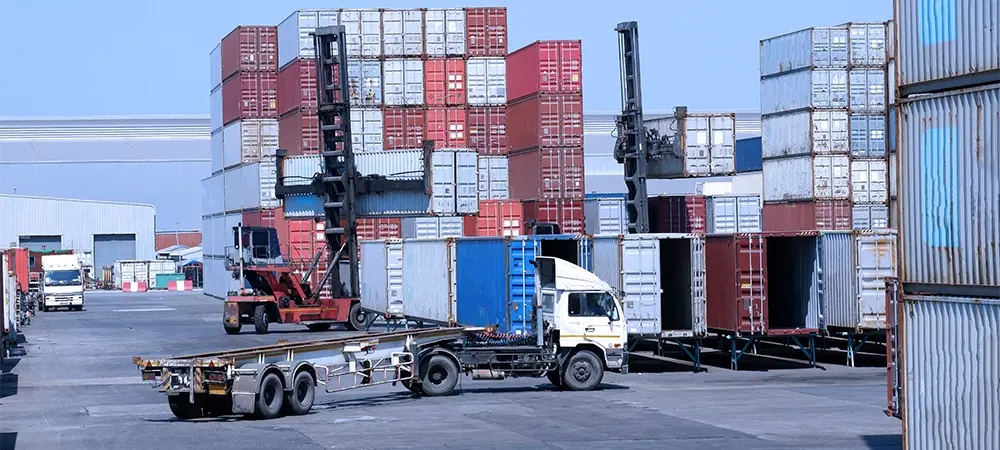
Calculating the break even point among different container options requires a detailed comparison of transportation costs, handling fees, and shipment volume. Companies should evaluate freight rates, origin and destination charges, storage costs, and customs related expenses.
Moreover, understanding these factors helps determine when one shipping method becomes more cost effective than another. Essentially, when analyzing FCL and LCL shipping, shipment volume is often the most important variable.
As shipment volume increases, consolidation fees may gradually erode the cost advantage of LCL services. Determining the exact threshold at which a full container becomes more cost effective allows companies to optimize their logistics budgets and enhance overall supply chain efficiency.
Protecting cargo is particularly important when shipments share container space with cargo from other exporters. Proper packaging should include the following:
Freight Club adheres to standardized container loading procedures designed to optimize space utilization and maximize cargo protection. Our logistics team meticulously organizes shipments based on weight distribution, packaging requirements, and handling characteristics, ensuring that sensitive products are safely separated from incompatible cargo to prevent damage.
Furthermore, before departure, we conduct rigorous inspections to verify the stability of the cargo and ensure safe transport across global trade routes. Through strategic planning and specialized packing practices, Freight Club enables companies to efficiently manage FCL and LCL shipments, achieving a seamless balance between cargo security and operational efficiency.
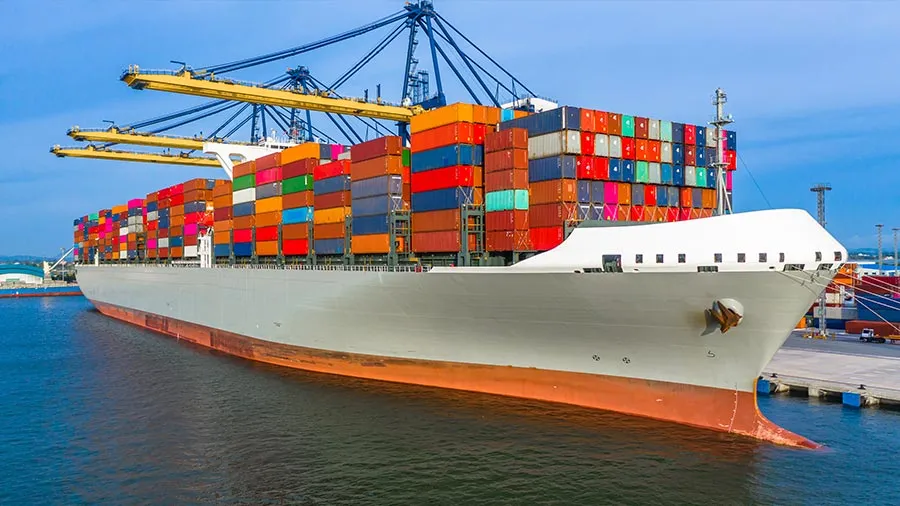
Shipping transit times depend heavily on the chosen maritime routing. Utilizing direct services ensures rapid delivery by moving cargo from origin to destination without intermediate stops, significantly reducing delays. This is especially true when evaluating FCL and LCL Shipping logistics.
Conversely, transshipment options route cargo through intermediate ports, offering lower freight costs but potentially extending delivery schedules. To optimize supply chain efficiency, companies must carefully balance their budget constraints against delivery urgency before choosing the ideal shipping strategy.
Destination charges are key components of the budget for LCL services. These charges include terminal handling charges, documentation fees, and cargo unloading charges. When analyzing the dynamics of FCL and LCL shipping, it becomes clear that LCL shipping requires more handling, leading to an unexpected increase in final import costs.
Understanding these destination fee structures before departure helps companies avoid unexpected expenses and logistical delays. In addition, sound financial planning in advance ensures budget accuracy, improves corporate forecasting, and significantly enhances the overall visibility of the supply chain for international traders.
Delicate shipments benefit significantly from the enhanced security of dedicated containers. Products like electronics, pharmaceuticals, and high value goods require minimal handling. When weighing FCL and LCL Shipping options, choosing full containers offers maximum cargo privacy and eliminates cross contamination risks.
Minimized handling points inherently protect fragile items from accidental transit damage during long journeys. Companies must carefully evaluate product fragility, value, and regulatory needs before booking. Ultimately, investing in dedicated container spaces ensures superior cargo safety and operational reliability.
Effective procurement planning helps companies reduce shipping costs and improve supply chain efficiency. By aligning purchase orders with expected shipment volumes, companies can choose the most cost effective shipping method. Assessing inventory needs, supplier schedules, and demand forecasts also supports better shipping decisions while maintaining smooth operations and controlling logistics expenses.
A full container shipment is reserved for one shipper, while shared container freight combines cargo from multiple businesses within the same container.
The decision depends on shipment volume, budget, transit requirements, and cargo sensitivity. Larger shipments often benefit from dedicated container space, while smaller shipments may achieve cost savings through consolidation.
Yes. Additional consolidation and deconsolidation processes, along with possible transshipment activities, can sometimes extend overall transit times compared to direct full container services.
Choosing the right FCL and LCL shipping strategy can significantly improve shipping efficiency, cargo protection, and overall logistics costs. Contact Freight Club today to receive expert guidance and customized freight solutions tailored to your international shipping requirements across Saudi Arabia, the UAE, and Egypt.