

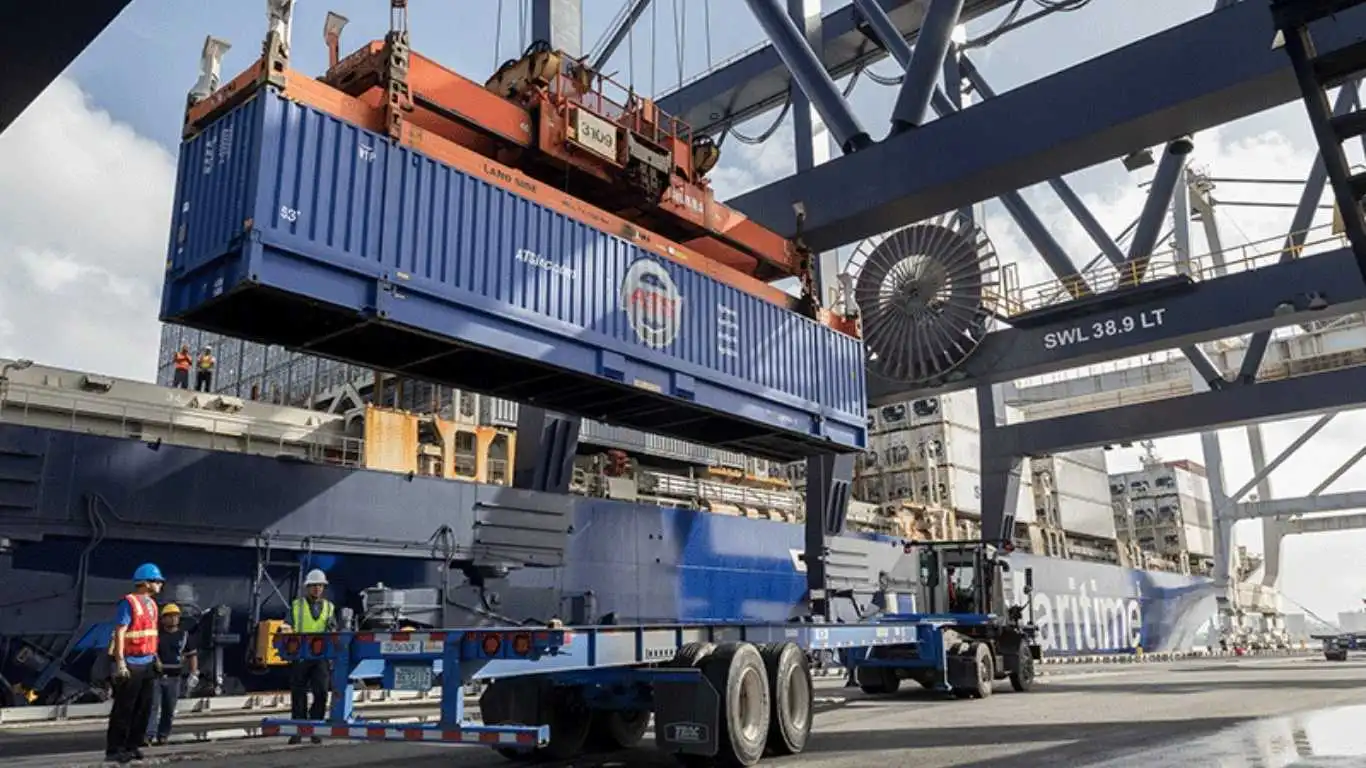
Global trade relies on the efficient transportation of goods across international waters. For logistics managers and business owners, understanding shipping terminology is essential to reduce costs, avoid delays, and ensure cargo safety. One of the most common areas of confusion in maritime logistics is the difference between bulk cargo and break bulk cargo. Although both shipping methods involve transporting goods by sea, they differ significantly in packaging, handling, vessel requirements, and operational costs.
Understanding the key difference between bulk cargo and break bulk cargo explained in detail helps companies choose the most suitable shipping method for their goods. Selecting the wrong option can lead to higher expenses, inefficient vessel usage, or increased risk of cargo damage. This guide explains bulk and break bulk shipping, vessel types such as Handymax and Supramax, operational risks like liquefaction, and how to identify reliable logistics partners.
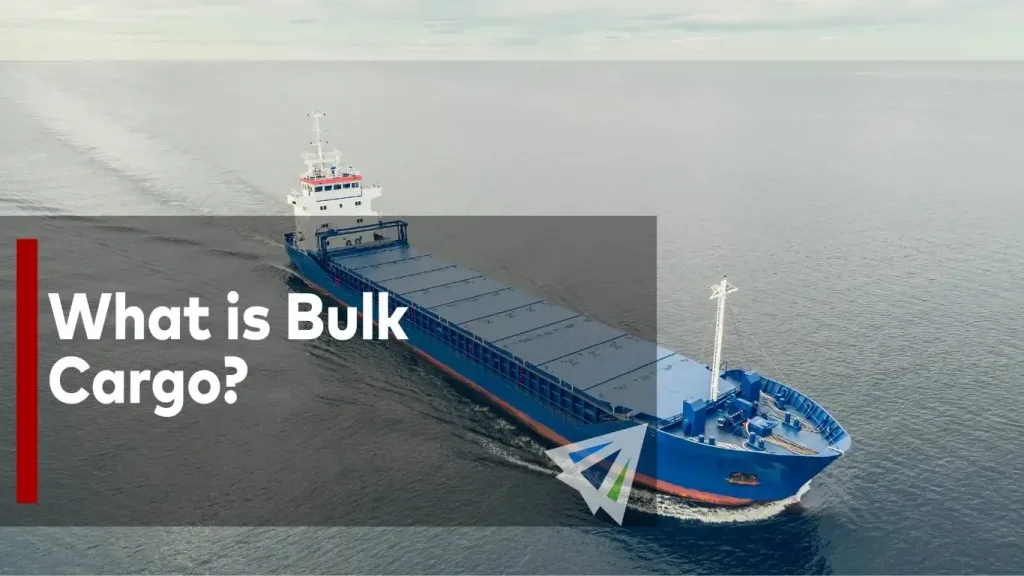
Bulk cargo refers to goods transported in large quantities without individual packaging. These commodities are loaded directly into the ship’s cargo hold rather than being placed in containers, boxes, or pallets. This shipping method is widely used for raw materials that support major industries such as construction, manufacturing, and energy.
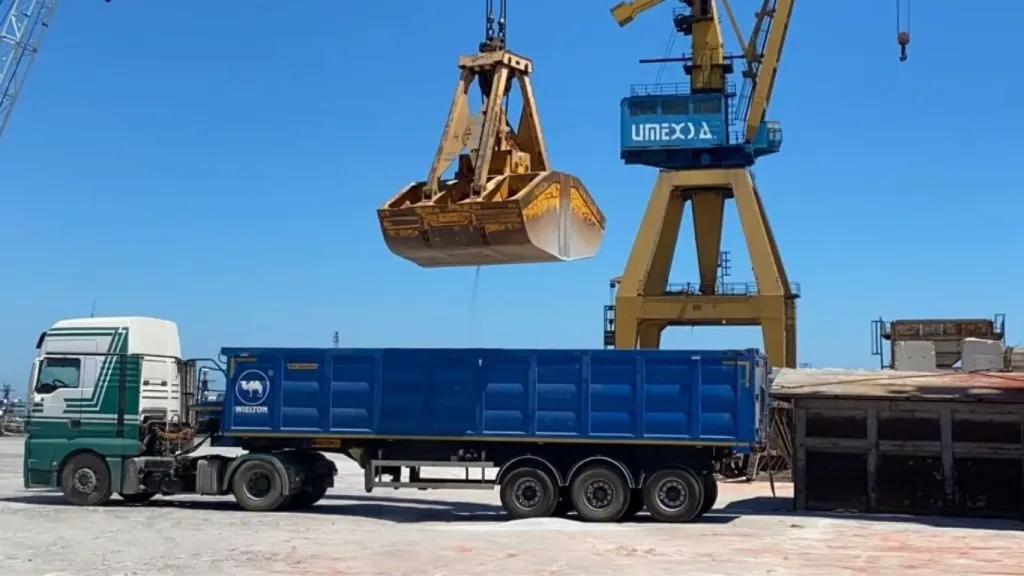
Unpacked bulk cargo includes commodities that flow freely and can be poured or pumped into the vessel. Common examples include coal, iron ore, grains, fertilizers, and cement. Because bulk cargo is transported in massive volumes, it benefits from economies of scale, making it one of the most cost-efficient shipping methods available. However, bulk cargo transport requires specialized vessels and infrastructure, such as dry bulk terminals equipped with conveyor belts and heavy-duty loading equipment.
Bulk cargo is generally divided into two main categories based on its physical state.
Solid bulk cargo includes dry, granular materials such as wheat, rice, corn, coal, iron ore, and mineral concentrates. These commodities represent the largest share of bulk shipping worldwide, with iron ore and coal dominating international trade volumes. Dry bulk cargo is loaded using conveyor systems, grabs, and cranes at specialized terminals.
Liquid bulk cargo refers to free-flowing liquids transported in dedicated tanker vessels. Examples include crude oil, refined petroleum products, vegetable oils, chemicals, and liquefied natural gas. These commodities are pumped directly into ship tanks, allowing for efficient loading and unloading operations.
Bulk carriers are purpose-built vessels designed to transport bulk cargo safely and efficiently. They are commonly classified by size and deadweight tonnage.
Handymax bulk carriers typically range between 35,000 and 50,000 DWT and are suitable for smaller ports with limited infrastructure. Supramax bulk carriers are slightly larger, usually between 50,000 and 60,000 DWT, and often feature onboard cranes. This allows them to operate independently in ports that lack shore-based loading equipment, making them highly versatile in global trade.
Bulk shipping is the most economical method for transporting raw materials over long distances. It allows shippers to move large quantities at a lower cost per ton compared to break bulk or container shipping. Bulk shipping also reduces packaging costs and minimizes handling time when proper terminal infrastructure is available.
Despite these advantages, bulk shipping requires strict quality and safety controls. Factors such as moisture content and cargo stability must be carefully managed to prevent hazards during transit, particularly when transporting solid bulk materials.
Break bulk cargo refers to goods that are packaged or unitized but not containerized. Unlike bulk cargo, break bulk shipments consist of individual units that are handled separately during loading and unloading. This category includes bagged goods, crates, drums, barrels, steel products, machinery, and oversized equipment.
Break bulk shipping is essential for cargo that cannot fit into standard shipping containers due to its size, weight, or shape. Although containerization dominates modern shipping, break bulk transport remains vital for industries such as construction, oil and gas, and large-scale infrastructure projects.
Before the widespread adoption of container shipping in the 1960s, break bulk was the primary method of maritime transport. Goods were loaded and unloaded manually or with basic cranes, making operations time-consuming and labor-intensive. While containerization has improved efficiency and security, break bulk shipping continues to play a critical role in transporting non-standard and oversized cargo.
The primary difference between bulk cargo and break bulk cargo lies in packaging and handling methods. Bulk cargo is transported loose, with the ship itself acting as the container. Break bulk cargo consists of individually packaged units that require manual or crane-based handling.
Bulk cargo loading relies on continuous systems such as conveyor belts or pumps, resulting in faster operations and lower labor costs. In contrast, break bulk cargo is loaded and unloaded piece by piece, making the process slower, more labor-intensive, and generally more expensive.
Bulk cargo freight rates are typically calculated per metric ton. Break bulk cargo rates, however, are based on the freight ton or revenue ton, meaning charges are calculated according to whichever is greater: weight or volume. This pricing structure reflects the additional handling, space requirements, and operational complexity associated with break bulk shipments.
Project cargo is a specialized category of break bulk cargo involving oversized, heavy, or high-value equipment such as turbines, generators, and industrial machinery. While all project cargo is shipped as break bulk, not all break bulk shipments qualify as project cargo.
Transporting project cargo requires multipurpose vessels equipped with heavy-lift cranes and reinforced decks to handle extreme dimensions and weights safely.
One of the most serious risks in bulk shipping is bulk cargo liquefaction. This phenomenon occurs when solid bulk cargo containing excessive moisture behaves like a liquid due to ship vibration and wave motion. Moisture increases water pressure between cargo particles, reducing friction and stability.
The effects of bulk cargo liquefaction can be catastrophic, leading to sudden cargo shifts, vessel listing, or even capsizing. Strict moisture testing and compliance with international safety regulations are essential to prevent such incidents.
Break bulk shipping allows the transport of oversized and irregularly shaped cargo and provides access to ports without specialized container terminals. However, it comes with higher handling costs, slower loading and unloading times, increased theft risk, and a greater likelihood of cargo damage compared to containerized shipping.
When planning bulk or break bulk shipments, businesses often need to coordinate with multiple logistics service providers to ensure smooth cargo movement from origin to destination. Working with experienced shipping companies helps reduce operational risks and supports efficient handling of non-containerized cargo.
Essential for handling large-volume bulk cargo efficiently. Port location also plays a key role in logistics planning, which is why many traders prefer working with established companies given the city’s strategic access to major bulk terminals and maritime infrastructure.
Risk management is another critical factor in bulk and break bulk shipping. Securing proper insurance for transporting goods
helps protect shippers from potential losses related to cargo damage, handling errors, or operational hazards during loading and unloading.
Selecting the right logistics partners is essential for successful bulk and break bulk shipping operations. Whether you are coordinating inland transportation with the largest freight trucking companies
or working with experienced import and export companies in Egypt, having access to verified service providers improves efficiency and cost control.
Freight Club is a professional business directory designed to connect shippers with trusted logistics partners across different sectors. Through Freight Club
businesses can explore verified listings, compare services, and identify the largest freight trucking companies alongside reliable import and export companies in Egypt, helping them build strong and efficient supply chains.
Breaking bulk cargo involves unloading individual units using cranes and stevedores according to the agreed shipping terms and Incoterms.
Responsibility depends on the Incoterms used and may fall on the carrier, consignee, or port-appointed stevedores.
Bulk cargo is usually transported by chartering a vessel or booking part cargo space through a shipbroker.
Break bulk cargo is booked through specialized freight forwarders experienced in non-containerized and project cargo shipments.
Required documents typically include the Bill of Lading, Commercial Invoice, Packing List, and Mate’s Receipt.