

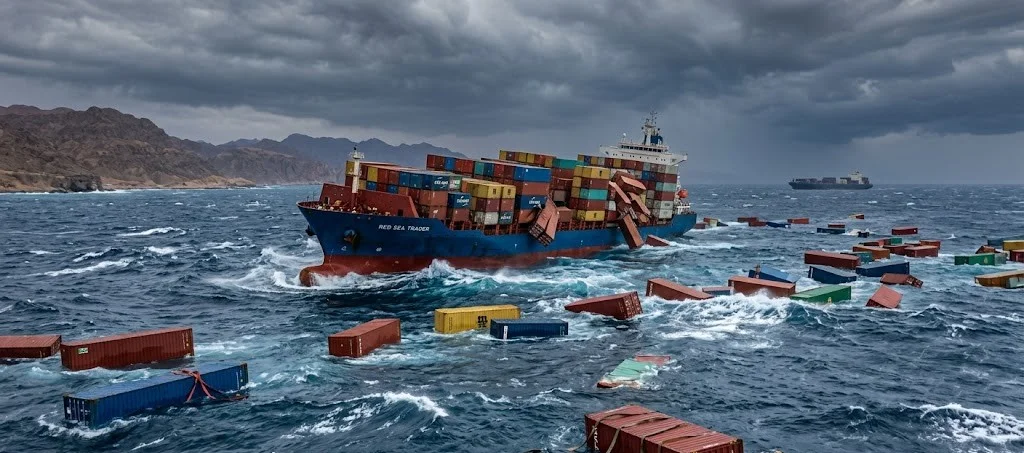
Cargo loss Red Sea shipping has become a growing concern for importers, exporters, and freight forwarders moving goods across the Middle East. Through Freight Club, companies can connect with experienced insurance providers who understand regional shipping challenges and offer appropriate protection for commercial cargo moving through Egypt, Saudi Arabia, and the UAE.
In addition, understanding cargo loss Red Sea shipping helps companies assess potential risks before shipments begin their journey. Choosing appropriate insurance coverage, planning transportation carefully, and working with experienced providers minimize financial exposure while supporting safer and more trusted global trade operations.
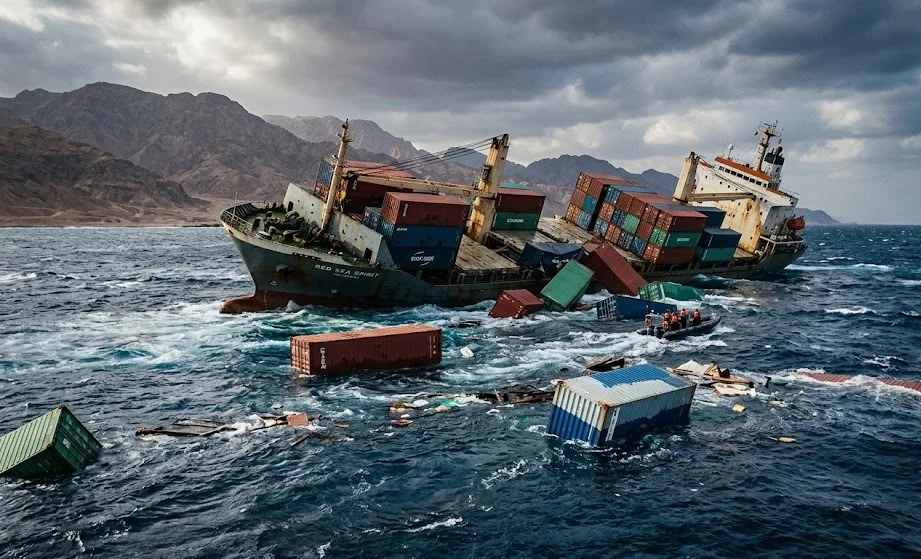
The Red Sea and Gulf region remain among the world’s most crowded commercial shipping corridors, connecting international markets through critical trade routes. High vessel traffic, changing weather conditions, and operational challenges create additional risks that companies should evaluate before transporting valuable cargo.
Moreover, understanding Gulf shipping risks is an essential part of managing cargo loss Red Sea shipping because regional conditions differ from many international routes. Careful planning, appropriate insurance coverage, and experienced logistics partners help minimize disruptions while protecting commercial shipments throughout their journey.
Although maritime security has improved in many areas, piracy and regional security incidents continue to influence shipping operations across certain routes. These risks may lead to delays, route changes, additional security measures, and higher transit costs for businesses moving cargo globally.
Choosing appropriate cargo insurance Red Sea route protection helps businesses manage financial exposure when shipments travel through higher-risk areas. Furthermore, reviewing policy terms carefully ensures security-related incidents are covered according to policy conditions, reducing uncertainty and supporting informed risk management decisions during international transportation.
Read more: Safe Dangerous Goods Shipping Experts Freight Club
High temperatures across the Middle East can affect pharmaceuticals, food products, chemicals, electronics, and other temperature-sensitive goods. Without proper storage, packaging, and transportation controls, prolonged heat exposure may reduce product quality, increase spoilage risks, and lead to significant financial losses during commercial shipments.
Understanding shipping damage causes Middle East helps companies manage cargo loss in Red Sea shipping by choosing appropriate packaging methods and transportation solutions before shipping begins. Combining preventive measures with appropriate cargo insurance strengthens protection against environmental risks throughout the supply chain.
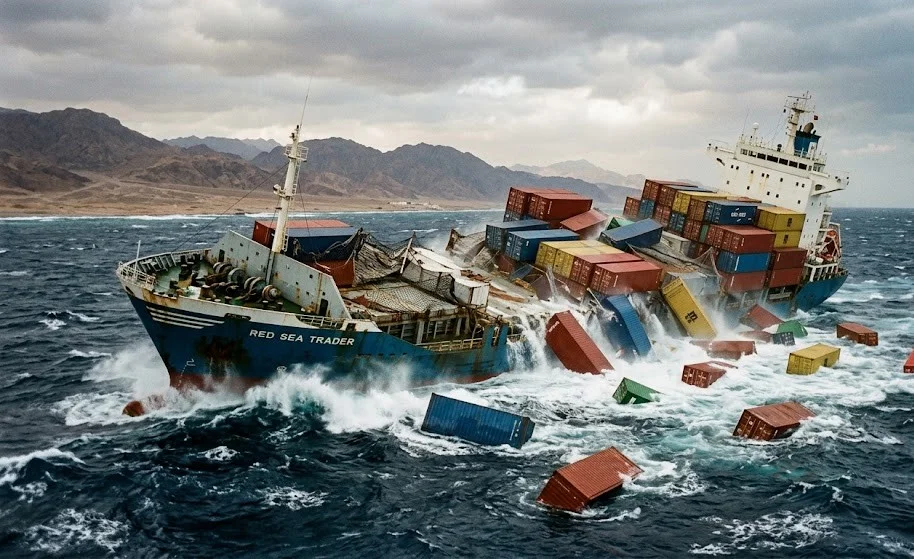
Busy regional ports handle large volumes of international cargo, increasing the risk of delays and additional handling. Frequent loading, unloading, and container transfers may expose shipments to accidental damage if proper operational procedures aren’t consistently followed, making careful cargo handling essential for protecting commercial shipments.
Furthermore, understanding cargo loss Red Sea shipping includes recognizing how port congestion affects cargo safety. Working with experienced logistics providers and maintaining suitable insurance coverage helps minimize financial exposure while reducing the impact of operational delays and handling incidents on commercial shipments.
Weather conditions in Gulf waters can change unexpectedly, creating operational challenges for commercial shipping. Strong winds, rough seas, minimized visibility, and seasonal weather may disrupt vessel schedules, increase cargo movement during transit, and raise the risk of shipment damage if appropriate precautions aren’t implemented.
Companies evaluating Gulf shipping risks should consider both seasonal weather patterns and route-specific conditions before choosing insurance coverage. Understanding cargo loss Red Sea shipping supports better planning, safer transportation, and reduces the financial impact of weather-related disruptions on valuable commercial shipments.
Improper container stacking and repeated handling during transportation may damage cargo, especially fragile or high-value goods. Compression, shifting loads, and handling equipment can all contribute to cargo loss Red Sea shipping when shipments are not packed or secured according to industry standards.
Recognizing common shipping damage causes Middle East enables companies to improve packaging practices and reduce preventable losses. Combining proper cargo preparation with suitable insurance coverage strengthens cargo protection, minimizes financial exposure, and supports safer international transportation across regional and global trade routes.
Insurance policies for higher-risk shipping routes often include different pricing, coverage conditions, and exclusions than standard trade lanes. Insurers evaluate route characteristics, cargo type, security concerns, and transportation methods before determining the appropriate level of protection for commercial shipments.
In addition, choosing appropriate cargo insurance Red Sea route coverage helps companies manage cargo loss Red Sea shipping more effectively. Reviewing policy terms carefully ensures protection aligns with operational requirements, supports informed insurance decisions, and reduces financial exposure across challenging regional shipping corridors.
Selecting an insurer with regional shipping expertise helps businesses manage cargo loss Red Sea shipping with greater confidence. Experienced providers understand local regulations, operational challenges, and insurance requirements, enabling companies to protect shipments more effectively while supporting trusted international freight movements across the Red Sea and Gulf markets.
Through Freight Club, companies can connect with verified insurance providers familiar with cargo loss in Red Sea shipping and regional trade conditions. Working with knowledgeable specialists supports better risk management and helps protect valuable cargo across Egypt, Saudi Arabia, and the UAE.
Not always. Coverage depends on the policy terms, so businesses should confirm whether piracy and security-related incidents are specifically included.
Yes. Premiums typically reflect route risk, cargo value, security conditions, and the insurer’s assessment of potential exposure before determining coverage costs.
Temperature-sensitive goods, fragile products, electronics, pharmaceuticals, and high-value cargo face greater transportation risks, requiring specialized handling and suitable insurance coverage.
Yes. Providing accurate route information helps insurers offer suitable coverage and ensures the policy reflects the shipment’s actual risk profile.
Understanding cargo loss Red Sea shipping helps businesses minimize risk, protect valuable cargo, and make informed insurance decisions. Visit Freight Club today to connect with experienced insurance providers and find coverage designed for shipments moving across Egypt, Saudi Arabia, the UAE, and regional trade routes.
Learn more:
Fast & Reliable Courier Services Egypt