

The Suez Canal toll update 2026 is an important development for shipping companies, freight forwarders, and importers that rely on one of the world’s busiest maritime trade routes. Even small adjustments to canal transit dues can influence shipping budgets, delivery schedules, and supply chain planning across regional and international markets.
For companies operating in Egypt, Saudi Arabia, and the UAE, understanding the Suez Canal toll update 2026 supports better cost forecasting, shipment planning, and informed logistics decisions across regional and international trade.
Additionally, this guide explains recent navigation circulars, vessel categories, and toll policies. Freight Club helps companies stay informed while supporting efficient freight forwarding and trusted shipping solutions through Egyptian ports.
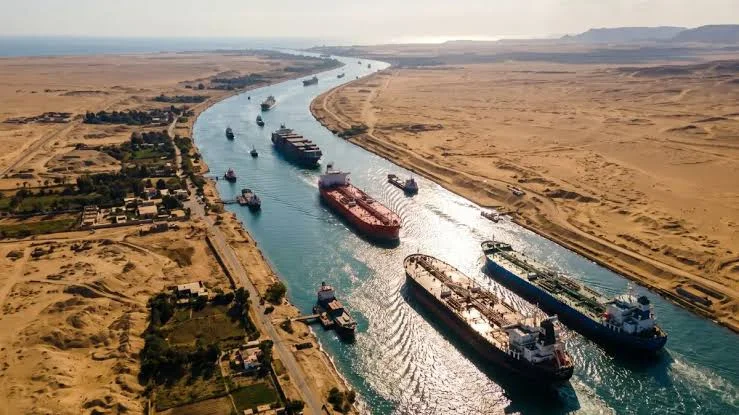
Understanding Suez Canal navigation circulars
A Suez Canal toll update 2026 is communicated through official navigation circulars issued by the Suez Canal Authority (SCA). These circulars announce amendments to transit regulations, toll schedules, operational procedures, or vessel classifications, ensuring shipping companies receive accurate guidance before transiting the canal.
Navigation circulars help maintain transparency by informing vessel owners, shipping agents, and freight forwarders about policy changes before they take effect. Following these updates allows companies to plan routes, estimate shipping expenses, and remain compliant with the latest canal requirements.
Category 13 covers vessels that don’t fall under standard classifications such as container ships, tankers, bulk carriers, or passenger vessels. These ships follow a separate toll structure based on the SCA transit dues schedule and operational characteristics.
The Suez Canal toll table category 13 may include specialized vessels with unique operational profiles. Any amendment affecting this category can influence voyage planning, transit budgeting, and shipping costs for operators managing non-standard vessel types.
The latest circular updates specific provisions introduced under the 2022 transit dues framework rather than replacing the entire toll system. These amendments reflect current shipping conditions, operational priorities, and market developments while maintaining consistency across existing regulations.
The Suez Canal toll update 2026 also demonstrates how the SCA periodically reviews transit policies to ensure they remain aligned with global maritime trends. This approach allows the authority to respond to changes in vessel operations and international shipping demand.
The Suez Canal Authority reviews toll circulars to reflect changes in global shipping patterns, operating costs, vessel technology, and international trade conditions. Regular updates help maintain fair pricing while supporting efficient canal operations.
These revisions also improve transparency by giving shipping companies sufficient time to prepare for regulatory changes. Clear communication reduces uncertainty and allows logistics providers to adjust operational plans before updated transit rules become effective.
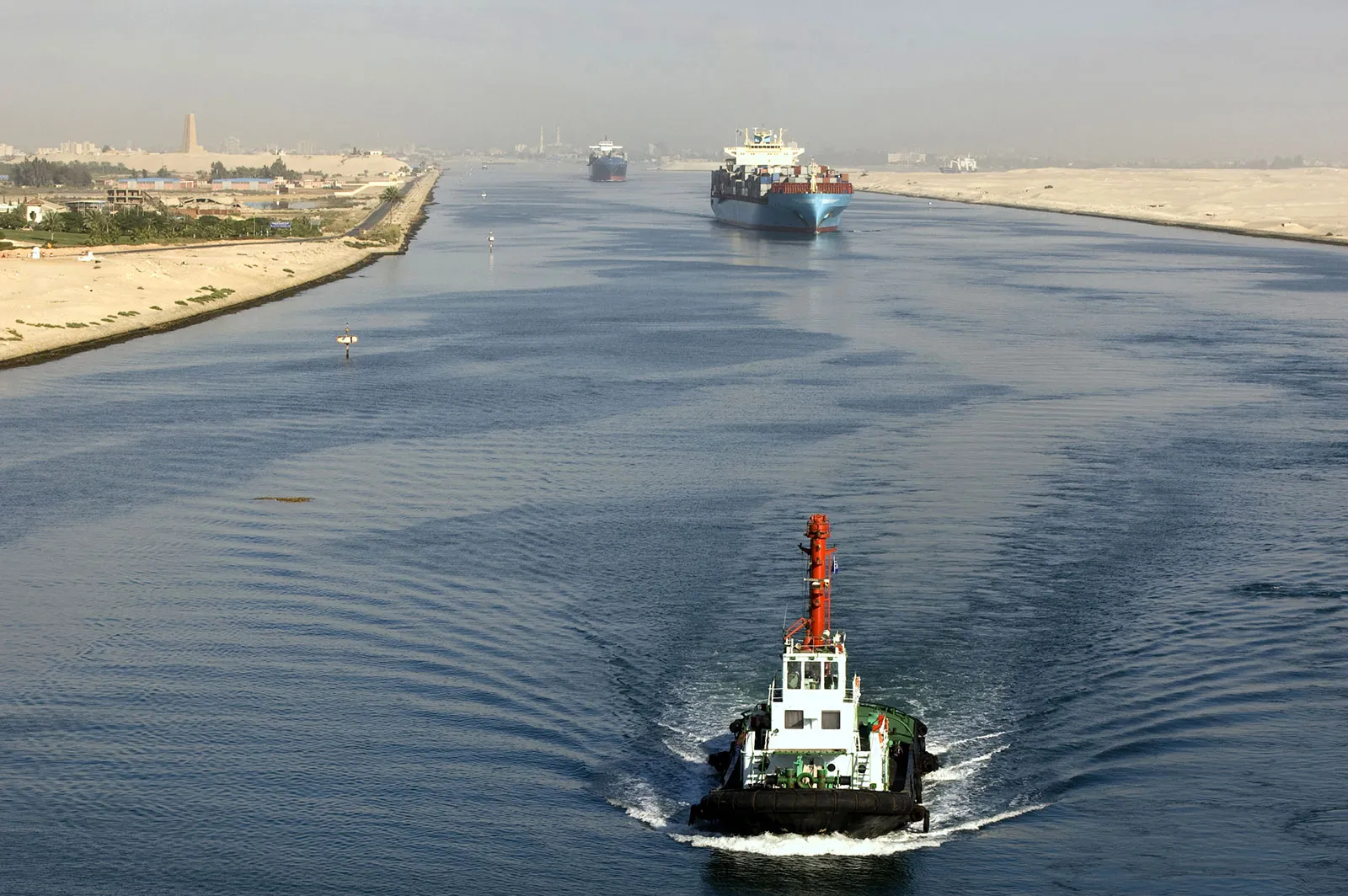
How toll changes affect freight costs for Egypt-bound cargo
Changes in canal transit dues can influence overall shipping expenses, particularly for cargo moving through Egyptian ports. Higher transit costs may affect freight rates, insurance expenses, and delivery planning depending on vessel size, cargo type, and shipping route.
For companies using Egyptian ports, tracking canal fee changes is essential for accurate budgeting. Egypt shipping costs 2026 depend on factors such as vessel type, route choices, fuel expenses, and market conditions. Understanding these elements helps businesses manage logistics expenses and improve shipping strategies efficiently.
When canal tolls increase, some shipping operators evaluate rerouting vessels around the Cape of Good Hope. Although this option avoids canal transit dues, it usually results in longer sailing distances, higher fuel consumption, increased crew expenses, and extended delivery times.
For most commercial shipments, the Suez Canal toll update 2026 remains only one factor in the overall transportation cost. Companies should compare total voyage expenses rather than focusing solely on canal charges when selecting the most efficient shipping route.
Shipping companies should regularly monitor official Suez Canal Authority announcements to stay informed about new navigation circulars, operational notices, and transit fee revisions. Reviewing official updates helps minimize compliance risks and supports more accurate shipment planning.
The Suez Canal toll update 2026 also demonstrates why companies benefit from partnering with experienced freight forwarders. Industry specialists monitor regulatory changes, provide timely guidance, and help customers adapt their shipping strategies with confidence.
Importers and exporters should view canal toll updates as part of broader supply chain planning rather than isolated transportation expenses. Understanding policy changes enables businesses to improve budgeting, evaluate shipping options, and reduce unexpected operational costs.
As the Suez Canal toll update 2026 continues attracting industry attention, companies that stay informed and work with reliable logistics partners will be better prepared to maintain efficient cargo movement through Egyptian ports and regional trade corridors.
For the bigger picture, including Suez Canal revenue, port throughput and market size, read our overview of the Egypt freight and logistics market.
It is an official notice issued by the Suez Canal Authority to announce updates to transit regulations, operational procedures, or canal toll schedules.
There is no fixed schedule. Updates are issued whenever operational, economic, or maritime conditions require changes.
It refers to vessels that don’t fall within the standard shipping categories and are subject to a dedicated transit dues structure.
Not always. The applicable transit dues depend on the vessel’s classification and operational status under the relevant SCA circular.
You should review the latest SCA toll schedules or consult an experienced shipping agent to estimate transit dues accurately.
In many cases, yes. However, the total voyage cost depends on fuel prices, transit time, vessel type, and overall operating expenses rather than canal tolls alone.
Keeping pace with the Suez Canal toll update 2026 allows businesses to make informed shipping decisions and strengthen supply chain planning. Contact Freight Club today for reliable freight forwarding and logistics solutions that help your business navigate changing maritime regulations with confidence.