

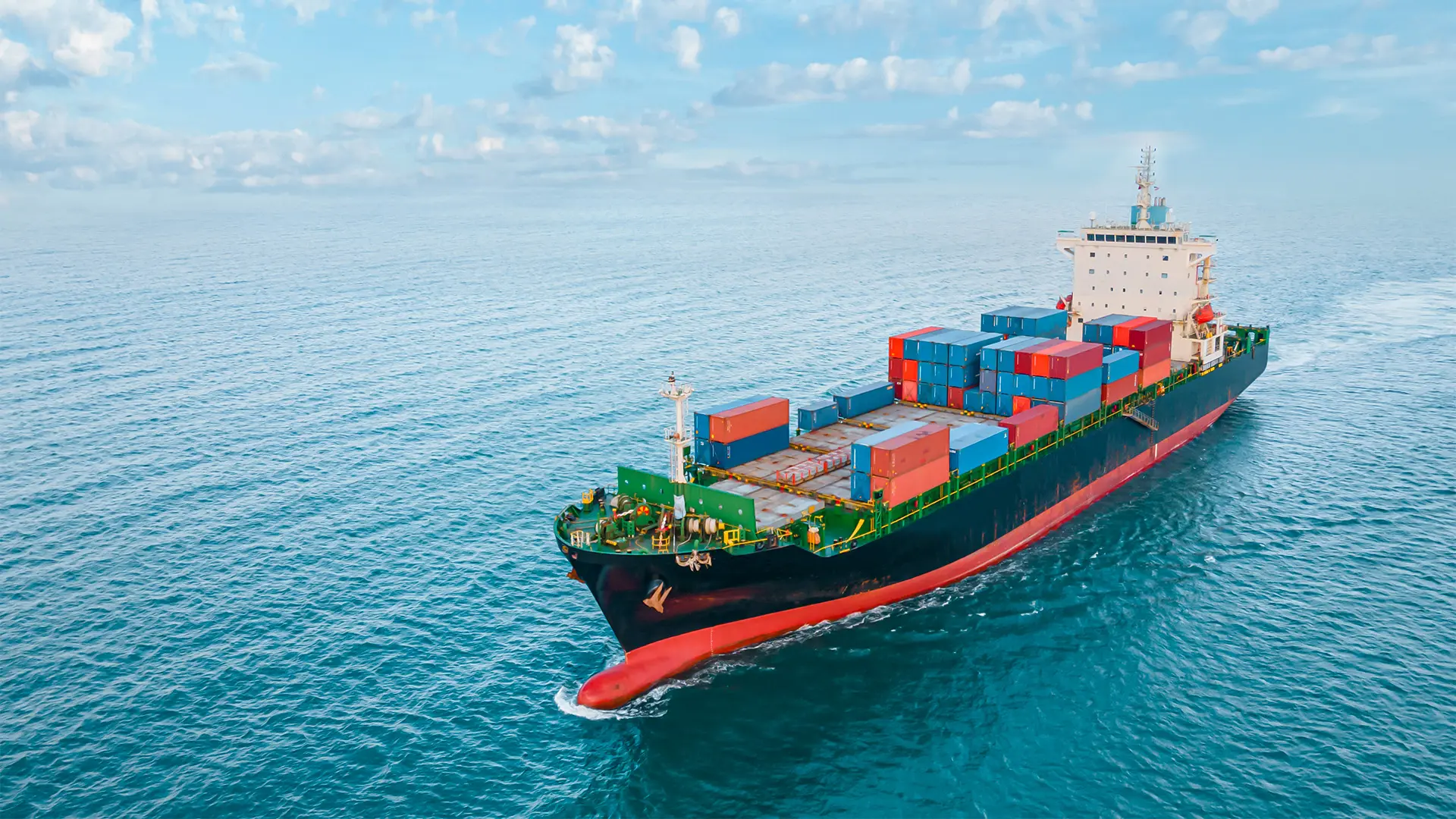
Ocean freight rates update 2026 has become a key topic for importers, exporters, and logistics professionals monitoring international shipping costs. Through Freight Club, companies across Egypt, Saudi Arabia, and the UAE can stay informed about market developments while connecting with trusted freight forwarders and cargo insurance providers.
Understanding ocean freight rates update 2026 helps companies anticipate market changes, improve transportation planning, and make informed supply chain decisions. As freight markets continue responding to geopolitical events and seasonal demand, staying updated is essential for controlling shipping costs and minimizing operational uncertainty.
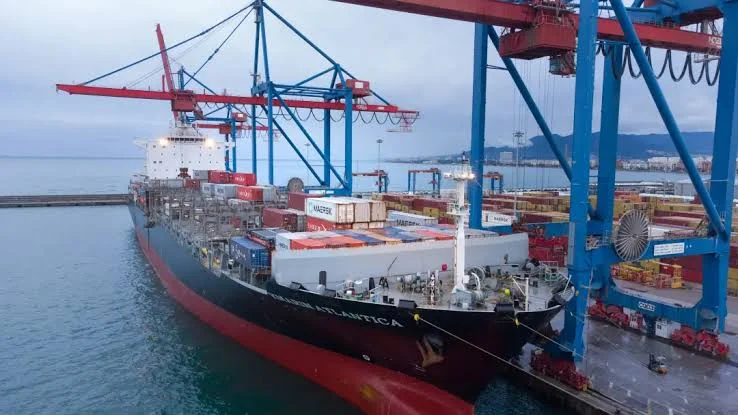
Ocean freight prices have moved upward during mid-2026 as several market pressures continue affecting global supply chains. Understanding ocean freight rates update 2026 helps explain why rising demand, limited vessel capacity on key trade lanes, and operational disruptions have all contributed to higher transportation costs for international shipments.
In addition, the ongoing container shipping cost increase reflects more than simple supply and demand. Carriers continue adjusting available capacity while importers begin booking cargo earlier than usual, creating additional pressure on already busy shipping networks and supporting stronger freight pricing across multiple international routes.
The Strait of Hormuz remains one of the world’s most strategic maritime corridors, making every regional security development important for global trade. Even temporary disruptions influence carrier planning, shipping schedules, insurance costs, and fuel expenses, all of which eventually affect freight pricing.
Companies following ocean freight rates update 2026 should also monitor developments affecting Suez Canal freight rates, since many carriers evaluate alternative routes when regional uncertainty increases. Route adjustments often extend transit times and raise operating expenses before those additional costs reach importers and exporters.
Current market trends indicate that Asia Europe freight rates remain above historical averages despite periods of temporary stabilization. Strong manufacturing exports, earlier procurement cycles, and carrier capacity management continue supporting elevated pricing across several of the world’s busiest shipping corridors.
Rather than reacting to isolated price changes, companies should evaluate long-term market patterns. Monitoring ocean freight rates update 2026 alongside broader economic indicators provides better insight into future transportation costs and helps companies make more informed procurement and shipping decisions.
Read more: Freight Rate Calculator Calculate the Cost of Shipping Fast & Precise
Peak-season traditionally begins later in the year, but many companies started placing orders earlier in 2026 to minimize the impact of supply chain uncertainty. Importers are securing production capacity and shipping space sooner, creating additional demand before the busiest months officially begin.
This earlier buying activity contributes directly to the ongoing container shipping cost increase. As vessel space fills more quickly, carriers introduce peak-season surcharges and adjust pricing to balance available capacity with growing shipment volumes across major international trade routes.
Air cargo markets have shown gradual improvement as airline capacity continues recovering. However, demand remains uneven across regions, and available space is still limited on several high-volume trade lanes, preventing freight rates from returning to pre-disruption levels.
Although air freight and ocean freight operate differently, both markets influence supply chain planning. Companies comparing transportation options should follow ocean freight rates update 2026 alongside air cargo trends to select the most efficient balance between delivery speed, cost, and operational flexibility.

Higher freight costs affect more than transportation budgets. Importers and exporters throughout Egypt, Saudi Arabia, and the UAE may experience increased inventory expenses, narrower profit margins, and more complex pricing decisions as shipping costs fluctuate throughout the year.
Monitoring Red Sea shipping rates 2026 alongside regional market conditions allows companies to adjust purchasing schedules, negotiate supplier agreements, and improve logistics planning. Companies that prepare early are generally better positioned to manage unexpected cost increases without disrupting customer commitments.
Companies can’t eliminate freight market volatility, but they can minimize its financial impact through better planning. Booking shipments earlier, diversifying carrier options, reviewing contract terms, and monitoring market developments help create greater flexibility when transportation costs begin rising unexpectedly.
Regularly reviewing ocean freight rates update 2026 also supports stronger budgeting and procurement decisions. Combining accurate market information with reliable logistics partners allows companies to respond more effectively to changing freight conditions while protecting long-term supply chain performance.
Experienced freight forwarders understand changing market conditions and help companies select shipping solutions that balance cost, transit time, and operational reliability. Their market knowledge becomes increasingly valuable when freight rates fluctuate rapidly across international trade lanes.
Likewise, experienced cargo insurers help companies understand how market conditions may influence transportation risk and coverage requirements. Through Freight Club, companies can compare qualified logistics and insurance providers while making informed decisions during periods of changing freight costs and evolving global trade conditions.
Freight rates are rising because of stronger demand, capacity limitations, geopolitical uncertainty, and earlier peak-season shipping activity across major trade routes.
Will the Strait of Hormuz Stabilization lower shipping costs soon?
Improved conditions may ease market pressure, but shipping costs also depend on demand, carrier capacity, fuel prices, and broader global supply chain conditions.
Many carriers have resumed services, but routing decisions continue to depend on security assessments, insurance requirements, and operational considerations.
Asia-Europe freight rates have remained above historical averages, although exact increases vary depending on carriers, routes, and seasonal market conditions.
That depends on your shipment schedule, budget, and market outlook. Companies with regular shipments often benefit from evaluating longer-term pricing options.
Freight volatility doesn’t automatically increase insurance premiums, but higher cargo values, route changes, and evolving transportation risks can influence overall insurance considerations.
Following ocean freight rates update 2026 helps companies understand market trends before they affect shipping budgets and operational planning. By staying informed and working with experienced logistics and insurance providers through Freight Club, importers and exporters can make better decisions and respond confidently to changing global freight conditions.
Learn more: