

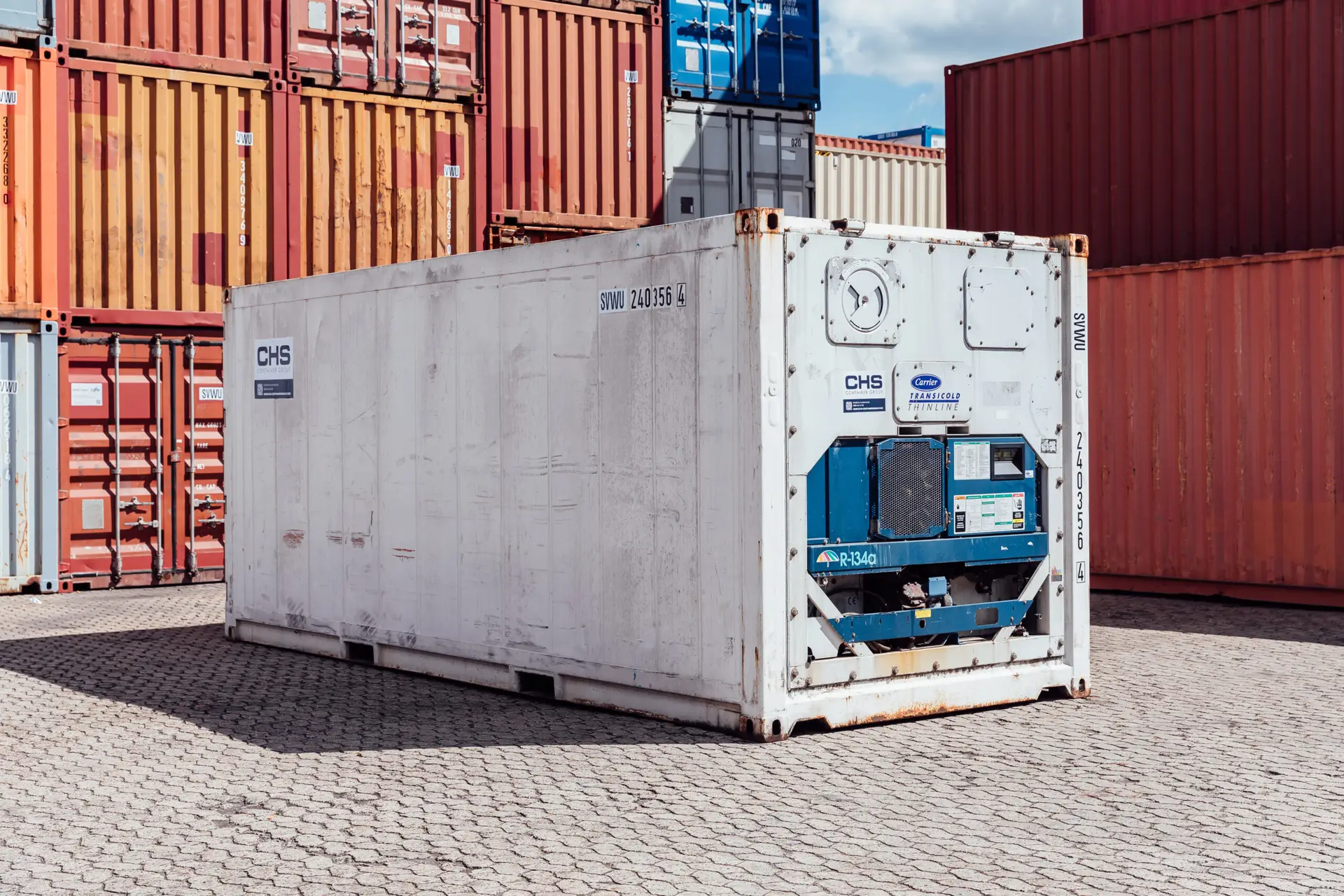
Securing reliable reefer container shipping is absolutely essential for moving perishable assets across international waters safely without compromising quality. From agricultural yields to pharmaceutical supplies, maintaining an unbroken cold chain remains non negotiable. For enterprises operating throughout Saudi Arabia, the UAE, and Egypt, safeguarding sensitive shipments protects their ultimate commercial value.
Partnering with Freight Club guarantees expert management of your reefer container shipping requirements from origin to destination. Our comprehensive approach integrates strict temperature calibration, proactive airflow management, and uninterrupted power supply solutions. By preventing thermal fluctuations during transit, we safeguard product freshness, maximize shelf life, and protect your bottom line.
Integrated cooling systems within specialized maritime units actively stabilize exact internal environments throughout transit. These systems function strictly to sustain precooled cargo conditions, rather than rapidly lowering the temperature of warm goods after loading. Continuous chilled airflow circulates strategically through specialized flooring channels, absorbing residual heat to maintain uniform conditions.
For international exporters, setting precise thermal parameters dictates the ultimate success of the entire shipment. Distinct commodities like fresh agricultural produce, premium seafood, and dairy products demand highly specific atmosphere standards to prevent spoilage. Tailoring these environmental variables perfectly preserves product texture, safeguards visual appearance, and extends commercial shelf life.
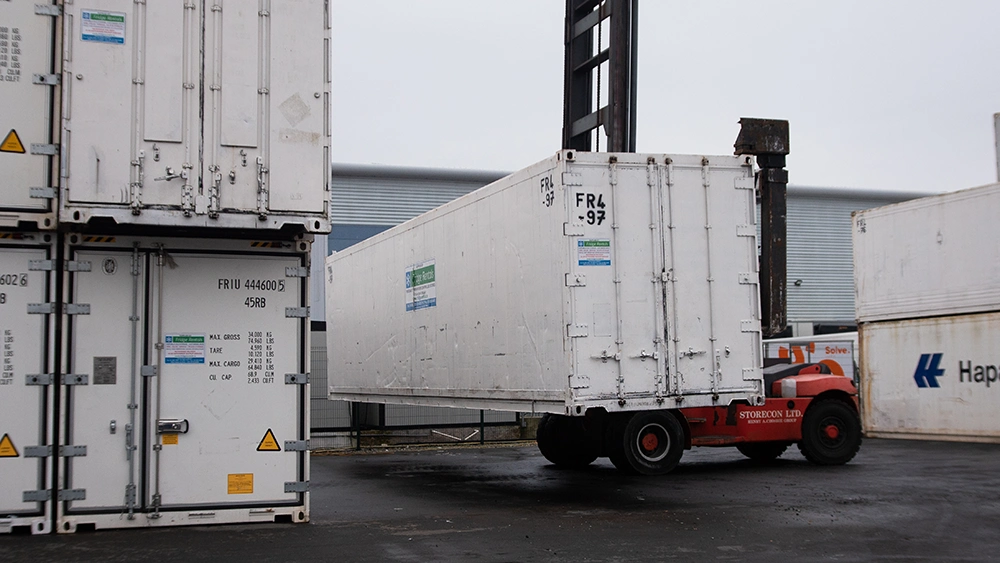
Cold treatment protocols provide critical pest control for agricultural exports while protecting natural quality of the cargo. Exporters must confirm the destination country’s exact treatment parameters, mandatory durations, and documentation standards prior to booking. This rigorous process requires properly chilled produce and uncompromised sensor records throughout the entire maritime journey.
Failing to meet these compliance standards triggers costly port inspections, extended customs delays, or total cargo rejection. Seamless coordination between packhouses and freight forwarders remains essential for navigating complex international import regulations. Utilizing professional reefer container shipping ensures your sensitive shipments satisfy strict global biosecurity laws and premium market expectations.
Uninterrupted power supply remains the foundation of successful temperature controlled logistics across every transit phase. Freight Club coordinates operations with verified energy sources at terminal yards, during deep sea voyages, and throughout final delivery. These specialized units run on shore power at ports, vessel connections at sea and gensets during trucking.
Moreover, conducting rigorous pretrip equipment inspections helps identify potential technical malfunctions well before cargo loading begins. By tracking key operational milestones and maintaining clear communication between all logistics parties, we support an unbroken cold chain. This proactive management significantly reduces the risks of thermal fluctuations and costly product damage.
Failing to optimize pre loading procedures directly compromises the integrity of reefer container shipping. To avoid cargo damage, exporters must eliminate these critical operational errors:
Loading warm cargo: Placing unchilled products inside the unit stresses the system, as these specialized units maintain precise internal environments rather than removing heavy field heat from warm products after stuffing.
Skipping product precooling: Exporters must thoroughly chill all perishable inventory inside designated cold storage facilities before starting the transfer.
Precooling empty containers: Chilling containers in open bays creates heavy internal condensation, damaging protective packaging and weakening boxes.
Slow transfer operations: Extended exposure to ambient outdoor temperatures during loading stresses the cargo and breaks the cold chain.
Poor terminal timing: Inadequate scheduling, uninsulated loading areas, and delayed door closing ruin thermal stability before sealing.
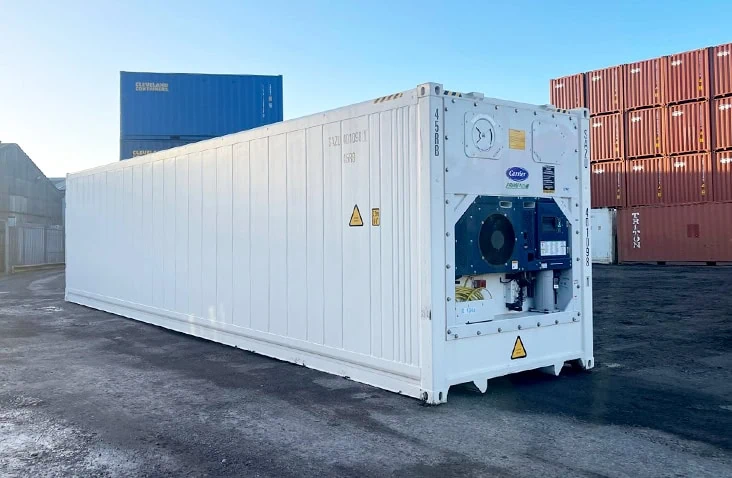
Beyond baseline temperature monitoring, complex atmospheric variables directly dictate final product quality. Relative humidity levels and ventilation settings actively influence moisture retention, mold risks, and natural respiration rates throughout transit.
Fresh agricultural produce continuously releases metabolic heat, moisture, carbon dioxide, and ethylene gases during maritime voyages. Managing consistent airflow remains absolutely critical to prevent hazardous gas accumulation inside the cargo hold.
Conversely, frozen food shipments generally require completely sealed environments with zero fresh air exchange. Exporters must utilize commodity specific guidelines rather than applying single standardized configurations to every operational voyage.
Unforeseen port disruptions severely extend transit windows and expose delicate cargo to critical thermal hazards. Securing realistic schedules, validating terminal power options, and finalizing customs paperwork beforehand minimizes these operational vulnerabilities.
Consistently analyzing tracking data enables logistics coordinators to intercept climate fluctuations immediately. Establishing responsive contingency protocols detailing carrier contacts and backup routing preserves commercial control whenever sudden schedule changes occur.
Precise ventilation management controls carbon dioxide buildup, ethylene concentrations, and metabolic heat for respiring fruits. Utilizing professional reefer container shipping balances fresh air exchange rates to prevent high energy consumption.
Conversely, seafood logistics demand distinct environmental parameters depending on whether items travel chilled, frozen, or packaged with ice. Furthermore, tailoring ventilation settings to specific packaging methods ensures safer international transit.
Comprehensive maritime insurance safeguards commercial investments against physical damage resulting from unexpected temperature fluctuations. Shippers must verify that policies explicitly cover reefer container shipping breakdowns, transit delays, and thermal deviations. Maintaining flawless documentation including sensor logs and pre loading inspection certificates remains non negotiable for claim approvals.
While insurance policy coverage reduces substantial financial exposure, it never replaces proactive cold chain management. Reviewing these specific legal terms prior to booking enables logistics managers to make informed, highly strategic risk mitigation decisions.
Refrigerated container shipping is the transport of temperature sensitive cargo in refrigerated containers that maintain controlled conditions during sea, port, and inland transit.
Yes. Goods should reach their required temperature before loading because reefer units maintain temperature rather than quickly cool warm cargo.
Many reefer units allow humidity and ventilation adjustments, helping exporters manage airflow, moisture, and gas levels according to the needs of specific commodities.
Protect your perishable exports with dependable planning, accurate monitoring, and specialized cold chain coordination. Contact Freight Club today to arrange trusted reefer container shipping solutions that help your cargo arrive fresh, compliant, and ready for market.