

International logistics has become the cornerstone of modern retail, connecting manufacturers, supply chain partners, and purchasers through several continents. As a result, companies operating in Saudi Arabia, the United Arab Emirates, and Egypt are increasingly relying on effective shipping, customs clearance, and supply chain transparency to maintain their competitiveness.
Moreover, international logistics is no longer limited to simply transporting goods from one country to another. Nowadays, enterprises rely on smarter compliance strategies, flexible transport networks, and real time operational insights. Freight Club helps importers and exporters overcome these challenges through integrated shipping and documentation solutions.
International trade regulations are constantly shifting due to geopolitical changes, environmental policies, and customs modernization initiatives; therefore, businesses must adapt quickly to avoid delays, penalty fees, and shipment disruptions, and other obstacles.
Furthermore, leading companies keep pace with regulatory developments in key markets, including Gulf Cooperation Council customs regulations and Egyptian import requirements. In addition, it also works to standardize documentation procedures and collaborate with logistics partners who are familiar with local compliance regulations.
Digitized customs registration, automated verification of Harmonized System codes, and centralized record management help minimize administrative errors.
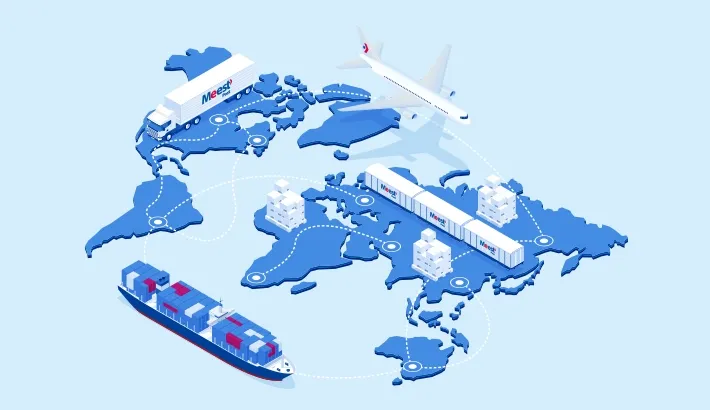
Intermodal transportation combines sea, air, road, and rail transport to create more effective international supply chains; this method helps companies balance speed, cost, and reliability based on the type of cargo and market urgency.
As evidence, high value or time sensitive cargo may be transported by air for part of the journey, while bulk cargo is shipped by sea to minimize costs; besides, regions such as the United Arab Emirates and Saudi Arabia have strong ports and road infrastructure, making intermodal transport particularly effective.
Furthermore, companies that use well thought out integrated transportation planning can minimize transit times, improve inventory flow, and keep continuity better when a mode of transportation experiences delays or capacity shortages.
International shipping frequently requires bills of lading, packing lists, certificate of origin, customs declarations, and regulatory permits. In addition, managing these documents manually raises the risk of delays and compliance errors.
Freight Club works to streamline the international logistics process by centralizing the management of shipping and facilitating communication between importers, customs brokers, and carriers; furthermore, automated workflows help ensure that documents are complete, consistent, and submitted on time, this method minimizes customs clearance delays at ports and borders while improving transparency for importers tracking their shipments.
The table below highlights key strategies that help businesses manage tariffs effectively, maintain compliance, and optimize international logistics operations for smoother and more cost efficient global shipping:
| Strategy | Purpose | Benefit |
| Accurate product classification | Use correct Harmonized System codes for shipments. | Avoids penalties and customs delays. |
| Regulatory monitoring | Stay updated on trade and customs regulations. | Improves compliance and adaptability. |
| Documentation management | Maintain accurate shipping documents. | Speeds up customs clearance. |
| Trade agreements | Utilize applicable FTAs and duty programs. | Minimize tariff costs. |
| Customs expertise | Work with customs brokers and specialists. | Minimizes compliance risks. |
| Digital compliance tools | Automate compliance and record keeping processes. | Improves efficiency and accuracy. |
| Contingency planning | Prepare for tariff and policy changes. | Maintains supply chain continuity. |
Live data has transformed supply chain management by providing companies with live visibility into shipment status, transport conditions, and operational performance. Moreover, modern tracking systems provide live updates on shipment location, estimated arrival times, and potential delays.
Apart from that, this visibility enables faster decision making, better communication with customers, and more accurate inventory planning. For companies that operate through multiple countries, centralized dashboards help coordinate the activities of carriers, warehouses, and customs from a single platform significantly boosting operational efficiency.
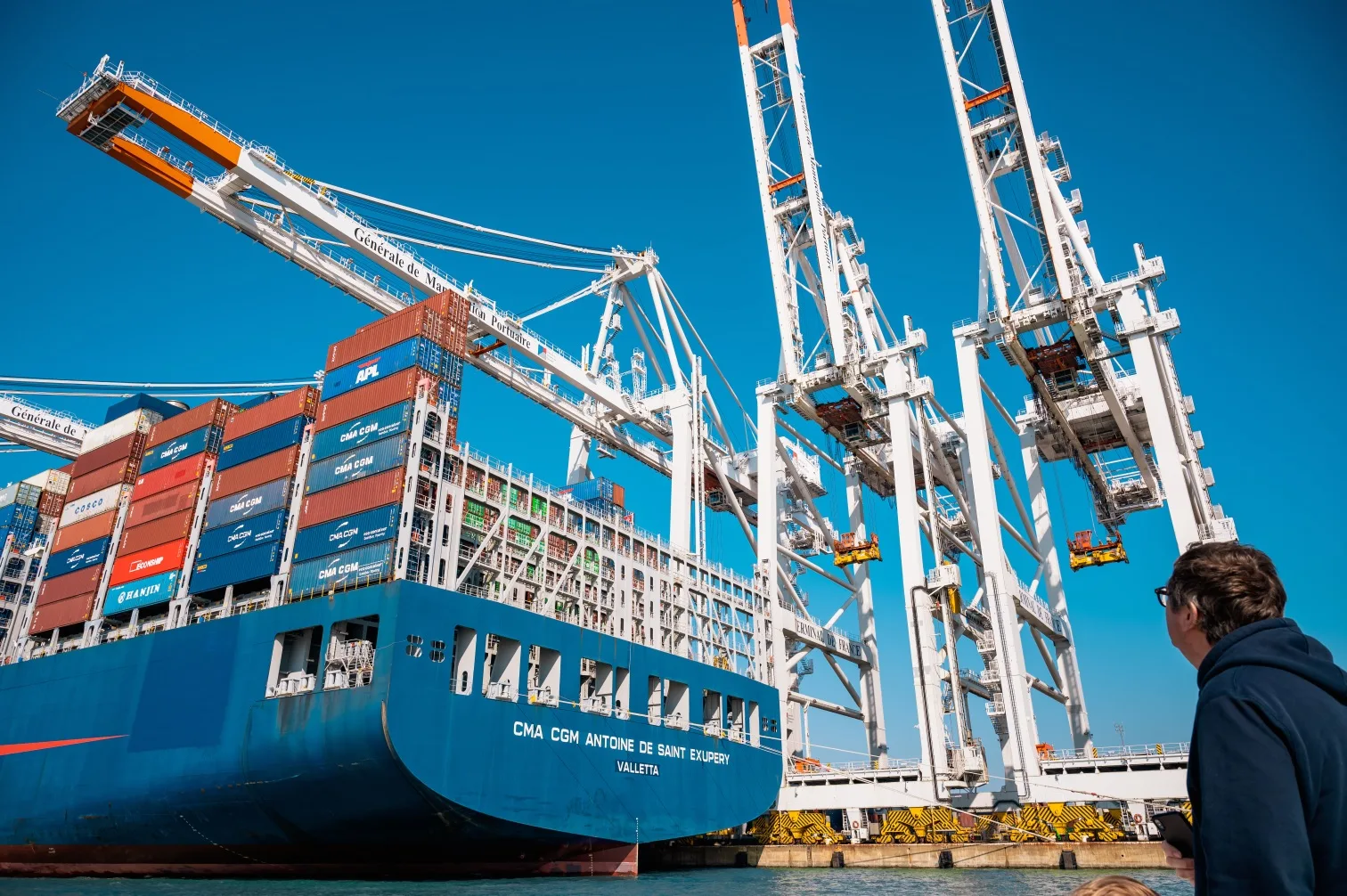
Overcrowded ports, labor strikes, and geopolitical unrest can quickly disrupt international shipping schedules, so companies need contingency plans to maintain supply chain continuity, and operational stability when such events occur.
Moreover, risk mitigation begins with diversifying carriers, ports, and modes of transport, so companies should identify alternative gateways in advance and maintain strong relationships with multiple logistics providers. In addition, strategies for maintaining stock reserves and flexible delivery schedules can mitigate the impact of unexpected delays.
Management of logistics operations through different suppliers and disjointed systems can lead to unnecessary costs, duplication of tasks, and limited operational visibility. Apart from that, centralizing logistics activities helps companies better control spending, improve efficiency, and streamline coordination across shipping, preparing reports, and reporting processes.
Furthermore, a unified management method enables stronger negotiations with carriers and identifies cost saving opportunities through the analysis of aggregated data. Apart from that, enhanced visibility into transportation expenses allows for more accurate budgeting, informed pricing decisions, and improved profitability across all international trade activities.
An agile supply chain can withstand disruptions, adapt to changing market conditions, and continue to effectively meet customer demands. In addition, achieving agility requires flexibility, operational transparency, and strong collaboration through all stages of the supply chain.
Key factors include supplier diversification, adaptable transportation strategies, robust compliance practices, and contingency planning, so companies that invest in these capabilities can maintain service quality, minimize operational risks, and enhance their competitiveness in evolving global markets.
International or global logistics involves planning, transporting, and managing goods across borders to ensure efficient, compliant, and timely global trade.
Businesses can lower costs through route optimization, efficient documentation, consolidated shipments, and strategic carrier partnerships.
Freight Club streamlines documentation, improves shipment visibility, enhances coordination, and simplifies cross-border trade processes for businesses.
Modern companies need agile, data driven supply chains to compete globally, in this context, Freight Club helps companies simplify international logistics, minimize compliance risks, and improve shipment visibility. Contact our team now to build a more resilient and efficient global shipping strategy.