

International sea freight comes with strict phytosanitary and biosecurity requirements. Countries worldwide protect their borders from invasive pests and organisms by demanding proof that cargo has been properly treated before arrival. For Egyptian exporters and importers, understanding the fumigation certificate Egypt process is essential for avoiding port delays, customs rejections, and costly demurrage charges.
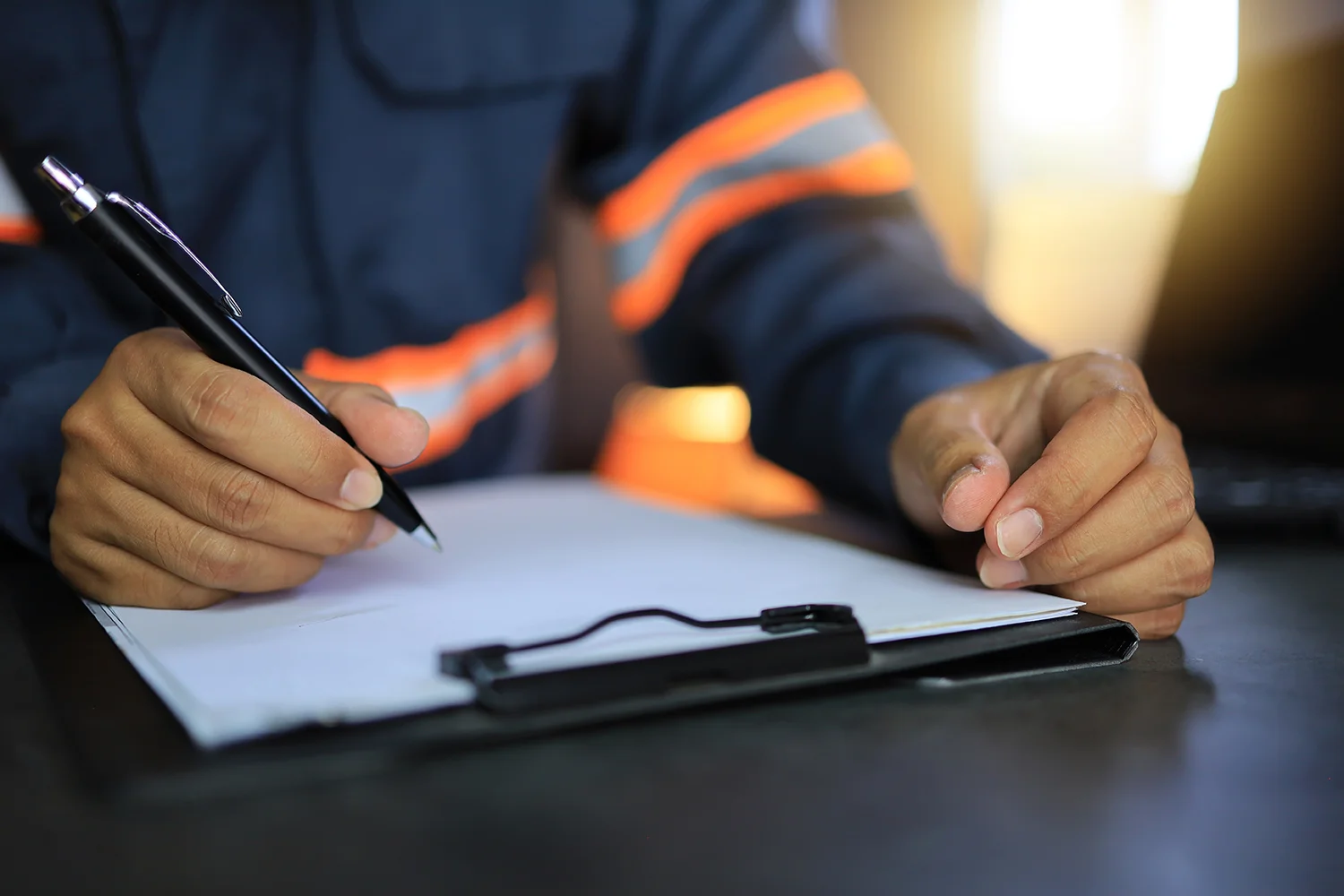
A fumigation certificate is an official document confirming that a shipment typically wooden packaging, agricultural products, or raw materials has been chemically treated to eliminate harmful pests, insects, and organisms.
In sea freight, this certificate accompanies the cargo documentation alongside the Bill of Lading, packing list, and commercial invoice. Without it, many destination countries will refuse entry to the shipment entirely.
The most common trigger for requiring a fumigation certificate Egypt is wooden packaging material. Under the ISPM 15 international standard, all wooden pallets, crates, and dunnage used in international shipments must be treated and marked accordingly.
Egyptian exports of grains, cotton, rice, vegetables, and other agricultural products almost always require fumigation treatment and certification before loading. Importing countries particularly in Europe, North America, and the Gulf enforce strict phytosanitary inspection upon arrival.
Second-hand machinery, vehicles, and industrial equipment moving through Egyptian ports frequently require fumigation certification to confirm they carry no biological contaminants from their previous operating environment.
Only companies officially licensed by Egyptian authorities can issue a valid fumigation certificate Egypt.Always verify licensing credentials before engaging any provider to avoid documents rejected at destination ports.
The fumigation company inspects the cargo, applies the appropriate chemical treatment most commonly Methyl Bromide or Phosphine gas and monitors exposure duration according to international standards.
Following successful treatment, the licensed company issues the official certificate detailing the treatment method, chemical used, concentration levels, exposure duration, and cargo description. This document must accompany your full shipping file.

Licensed fumigation companies authorized by the Central Administration of Plant Quarantine and other relevant Egyptian governmental bodies issue official fumigation certificates valid for international sea freight shipments.
Treatment duration varies by cargo type and chemical method used. Methyl Bromide treatment typically requires 24 to 48 hours, while Phosphine gas treatment for bulk commodities can take between three and seven days depending on cargo volume and temperature conditions.
No. A fumigation certificate confirms the cargo was chemically treated, while a phytosanitary certificate is issued by government agricultural authorities confirming the cargo is free from pests and diseases. Many shipments require both documents simultaneously for full compliance at destination ports.