


Insurance for Goods, also known as cargo or goods-in-transit (GIT) insurance, shields items against loss, theft, or damage while they are being transported, loaded, or unloaded. It guarantees monetary compensation if consignments are lost or destroyed while being transported from one place to another and covers products sent by road, rail, air, or sea.
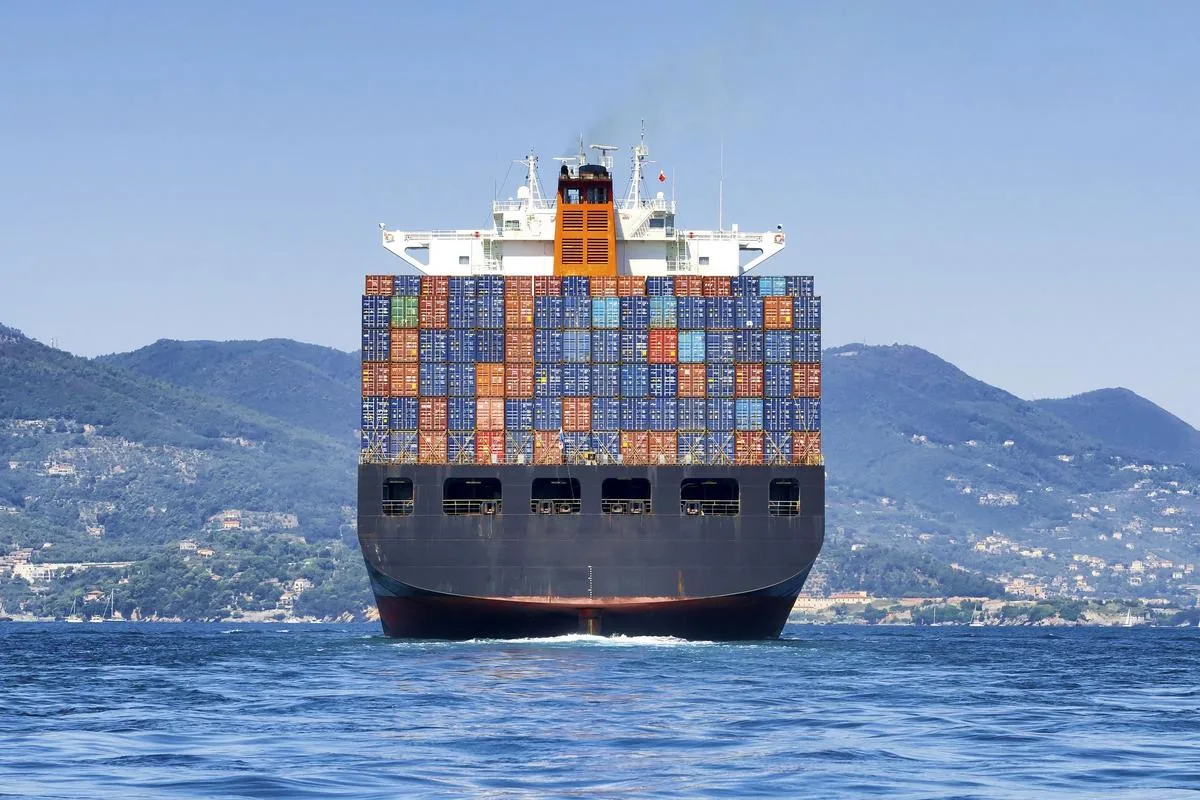
You are protected against stock damage with insurance for goods. It includes the goods you plan to sell, as well as the supplementary and raw materials you utilize to create your goods. For instance, cleaning supplies, fuels, packaging, semi-finished goods, and final goods.
Your inventory is not covered by goods insurance. The company assets you require to complete tasks make up your inventory. For instance, desks, seats, computers, or tools. Inventory insurance is necessary to protect these assets from harm.
read more: Cargo Insurance Egypt
Common insurance covers risks such as damage during transit, fire, explosion, theft, and accidents. Certain insurance covers cargo when it’s being stored on third-party property, during displays, or during stopovers.
read more: Import / Export Clearance
As a vendor or buyer, you are shielded from the entire liability in the event that the items are lost or damaged when you have transport insurance. Although the carrier may be held accountable, this party’s culpability is restricted, and you could only get a tiny portion of the settlement.
To reduce financial risk and losses during transportation, cargo insurance for freight is crucial.
In addition to obtaining compensation in the event of damage, having transport insurance guarantees that the items are financially covered in the event of loss or damage during transportation.
Transport liability, or the carrier’s or freight company’s liability while the products are being transported, is clarified by transport insurance. Incoterms, which are rules used in international trade that establish standards for freight and delivery terms, can also be used to evaluate transport liability. Incoterms are also used to specify who is in charge of paying insurance premiums and how risk is transferred between the buyer and seller. Thus, Incoterms are a risk hedging strategy.
The amount of coverage your company needs should be taken into consideration when selecting a transportation insurance plan. This comprises the amount of financial loss the business may bear in comparison to the requirement to pay the full cargo value.
Use trustworthy insurance for goods options from Freight Club to shield your products from unforeseen dangers. Reduce financial loss, guarantee safe delivery, and ship with assurance. Get specialized coverage for cargo protection services that meet your local and international shipping requirements by getting in touch with us right now.