

Modern businesses rely heavily on efficient logistics operations to stay competitive in fast-moving markets. As supply chains become more complex, companies increasingly depend on logistics transportation management solutions to control costs, improve visibility, and ensure timely delivery. These solutions help organizations manage transportation planning, execution, and optimization across different modes of transport.
Understanding how logistics transportation management solutions work allows businesses to streamline shipping operations, reduce errors, and maintain compliance with international regulations. This guide explains what these solutions are, their key benefits, core system functions, how to choose the right solution, and why companies involved in global trade should adopt them to remain efficient and scalable.
Logistics transportation management solutions are systems and processes designed to manage the movement of goods from origin to destination efficiently. They cover route planning, carrier selection, shipment tracking, documentation, and performance analysis. Businesses use logistics transportation management solutions to gain full control over transportation operations while reducing manual work and operational risks.
These solutions are commonly used by manufacturers, distributors, and companies engaged in international trade. Organizations working with
import and export companies in Egypt that manage cross-border trade and customs coordination
often rely on transportation management systems to ensure smooth cargo flow and regulatory compliance.
One of the main advantages of logistics transportation management solutions is cost optimization. Businesses can compare carriers, choose the most efficient routes, and reduce unnecessary transportation expenses. These systems also improve shipment visibility by providing real-time tracking and performance insights.
Another major benefit is improved coordination across the supply chain. Companies that collaborate with
businesses operating among the largest freight trucking companies handling inland transportation
use transportation management solutions to align road transport with warehousing and distribution schedules, minimizing delays and disruptions.
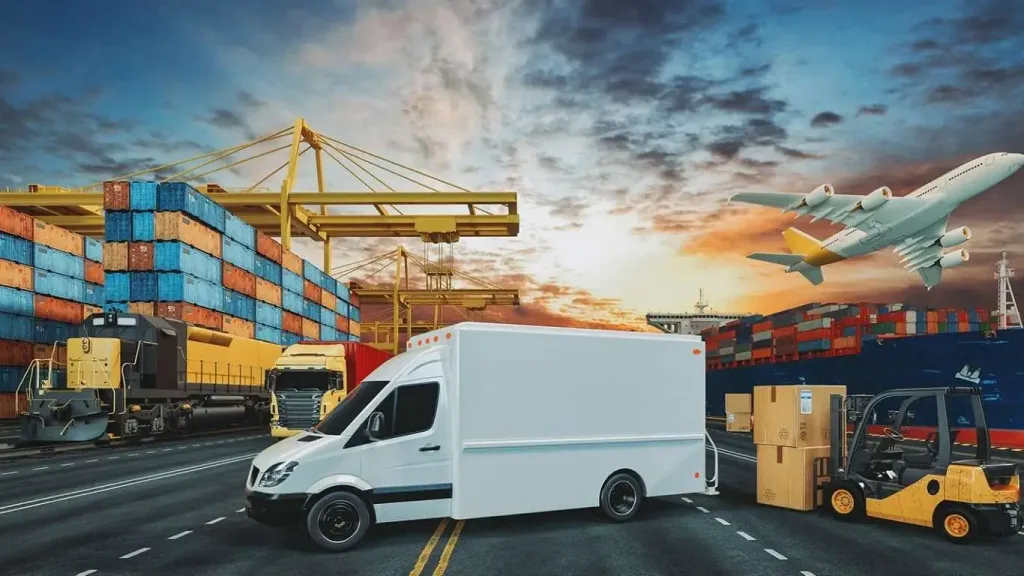
When selecting logistics transportation management solutions, businesses should evaluate system scalability, integration capabilities, and ease of use. A good solution should integrate with ERP systems, customs platforms, and carrier networks without complexity.
Companies working with logistics service providers listed among freight forwarder companies in Egypt that coordinate shipping and documentation
often require solutions that support multimodal transport and international documentation handling. Security, data accuracy, and reporting capabilities are also essential factors when choosing the right system.
A Transportation Management System (TMS) serves as the backbone of logistics transportation management solutions. Core functions include shipment planning, route optimization, carrier management, freight auditing, and performance analytics.
A TMS also supports automated documentation, real-time tracking, and exception management. By centralizing transportation data, businesses can make informed decisions, reduce manual errors, and improve overall logistics efficiency.
Choosing the right TMS depends on business size, shipment volume, and operational complexity. Small businesses may require basic planning and tracking features, while large enterprises benefit from advanced analytics and automation.
Scalability is crucial, as transportation needs evolve with business growth. A flexible TMS ensures long-term value and adaptability across different markets and transport modes.
Implementing a TMS helps businesses reduce costs, improve delivery performance, and maintain better control over logistics operations. It also enhances collaboration with carriers, freight forwarders, and customs authorities.
For companies engaged in international trade, a TMS supports compliance, improves shipment visibility, and ensures smoother coordination across borders.
Cloud-based logistics transportation management solutions offer flexibility, remote access, and lower infrastructure costs. They allow businesses to scale operations quickly and access real-time data from anywhere.
Cloud systems also enable faster updates, better security, and seamless collaboration between logistics partners, making them ideal for modern supply chains.

Successful transportation management depends not only on systems but also on reliable partners. Freight Club operates as a professional directory that connects businesses with verified shipping and logistics companies without providing shipping services directly. Through Freight Club
businesses can explore logistics partners, trucking providers, and freight forwarders that support transportation management strategies and international trade operations.
The 7 R’s are delivering the right product, in the right quantity, to the right customer, at the right place, at the right time, in the right condition, and at the right cost.
The four main types are road, rail, sea, and air transportation.
A TMS is a software platform that manages transportation planning, execution, and optimization.
It refers to coordinating the movement, storage, and delivery of goods efficiently across supply chains.
Road, rail, air, and sea transport are the primary modes used in logistics.
They include transportation, warehousing, inventory management, order processing, packaging, information flow, and customer service.
Common types include inbound logistics, outbound logistics, reverse logistics, and third-party logistics.
Examples include trucks, ships, aircraft, trains, pipelines, vans, cargo bikes, ferries, barges, and container vessels.
The future includes automation, digital platforms, sustainable transport, and AI-driven logistics optimization.
Examples include SAP TMS, Oracle TMS, and other cloud-based logistics platforms.
TMS manages transportation operations, while ERP integrates overall business processes including finance, inventory, and procurement.