
International trade does not end once goods are shipped from one country to another. One of the most critical steps in global commerce is customs clearance, especially in cases where formal customs clearance required by law. Many importers and exporters face shipment delays, fines, or unexpected costs simply because they are unsure when formal clearance is mandatory and how to prepare for it correctly.
Understanding when formal customs clearance required helps businesses maintain compliance, avoid costly disruptions, and ensure smooth cargo movement across borders. This guide explains what customs clearance means, when formal procedures apply, the required documentation, common causes of delays, and how importers and exporters can navigate customs processes effectively.
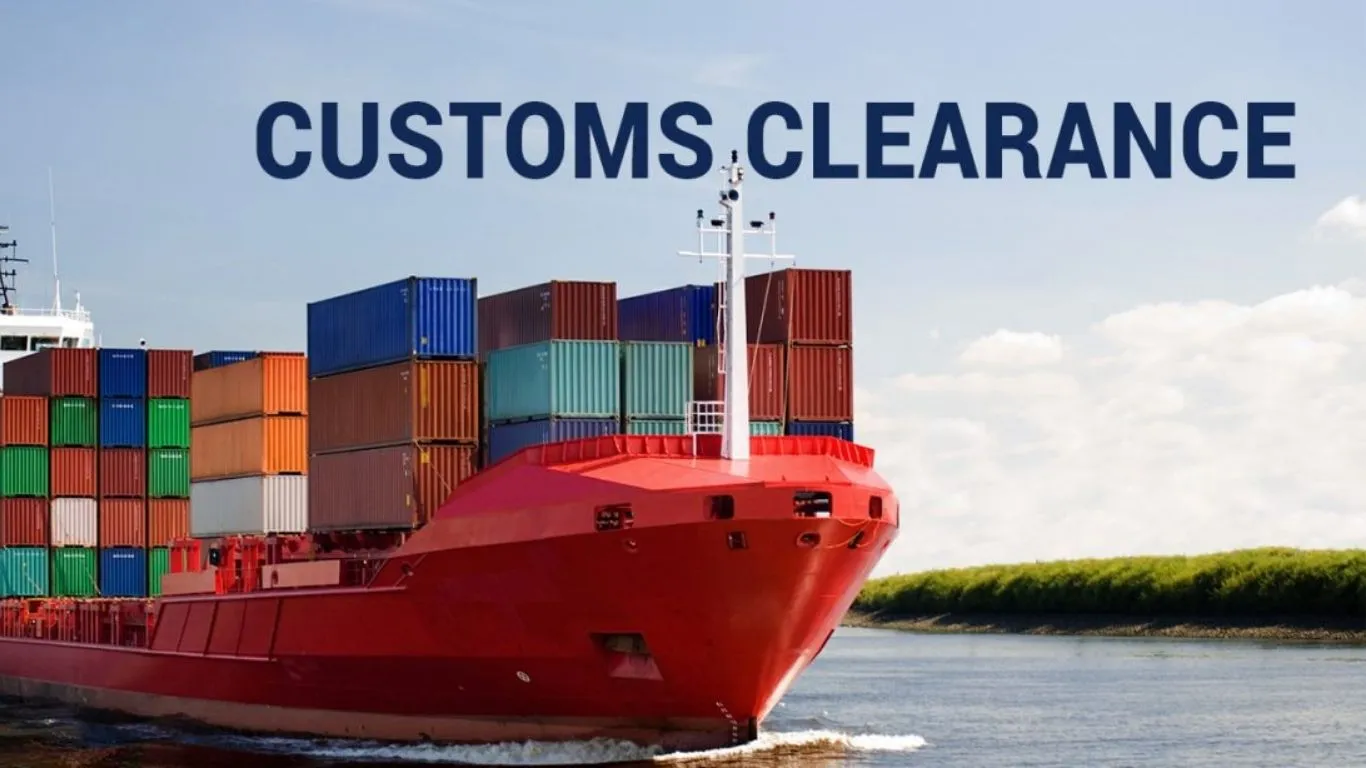
Customs clearance is the legal process of declaring goods to customs authorities when they enter or leave a country. During this process, customs officials review shipment details, verify documentation, assess duties and taxes, and determine whether the cargo complies with national regulations.
Customs clearance is essential for protecting national security, ensuring accurate tax collection, and regulating international trade. When formal customs clearance required, the process involves stricter documentation, official declarations, and closer inspection. This usually applies to commercial shipments, high-value cargo, restricted goods, or shipments intended for resale.
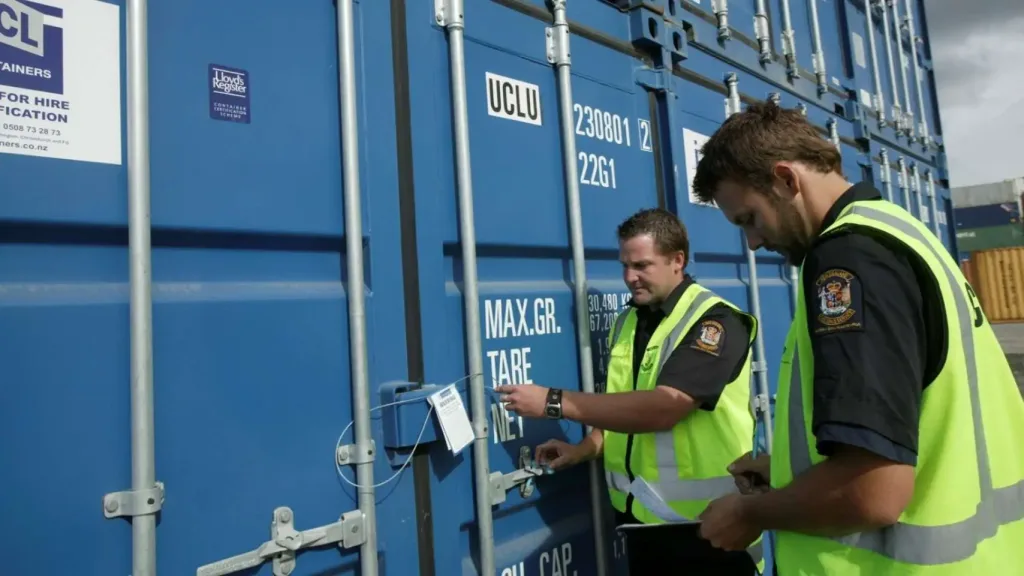
When formal customs clearance required, importers and exporters must submit a complete set of official documents to customs authorities. These documents allow customs officers to verify the value, origin, and nature of the goods being imported or exported.
Commonly required documents include a commercial invoice, packing list, bill of lading or airway bill, and certificate of origin. Depending on the shipment type, additional documents such as import licenses, conformity certificates, or inspection reports may be required. Incomplete or inaccurate documentation is one of the most common reasons shipments are delayed during customs clearance.
Customs clearance delays often occur due to incorrect shipment valuation, missing paperwork, or errors in commodity classification. When formal customs clearance required, even minor mistakes can trigger inspections or additional verification.
Many businesses reduce these risks by working with professional partners, so import and export companies that specialize in handling international trade documentation and compliance
often help importers and exporters avoid common clearance mistakes.
Formal customs clearance is often required for temporary admissions, where goods enter a country for a limited period before being re-exported. Examples include exhibition materials, professional equipment, or machinery used for short-term projects.
In such cases, customs authorities require formal declarations to monitor the movement of goods and ensure they are not sold locally. When formal customs clearance required for temporary admissions, importers may need to provide guarantees or deposits to ensure compliance with re-export regulations.
Temporary imports involve bringing goods into a country for a specific purpose and duration. Even though the goods are not intended for permanent use, formal customs clearance required to document their entry and exit accurately.
Temporary imports usually require prior approval and additional paperwork. Failure to comply with customs conditions can result in fines or the reclassification of goods as permanent imports, leading to additional duties and taxes.
ATA Carnets are international customs documents that simplify temporary imports and exports by replacing standard customs procedures. They reduce paperwork and eliminate the need for multiple declarations.
However, ATA Carnets apply only to specific goods and purposes. When a carnet is not accepted, formal customs clearance required to ensure legal entry and exit of the goods.
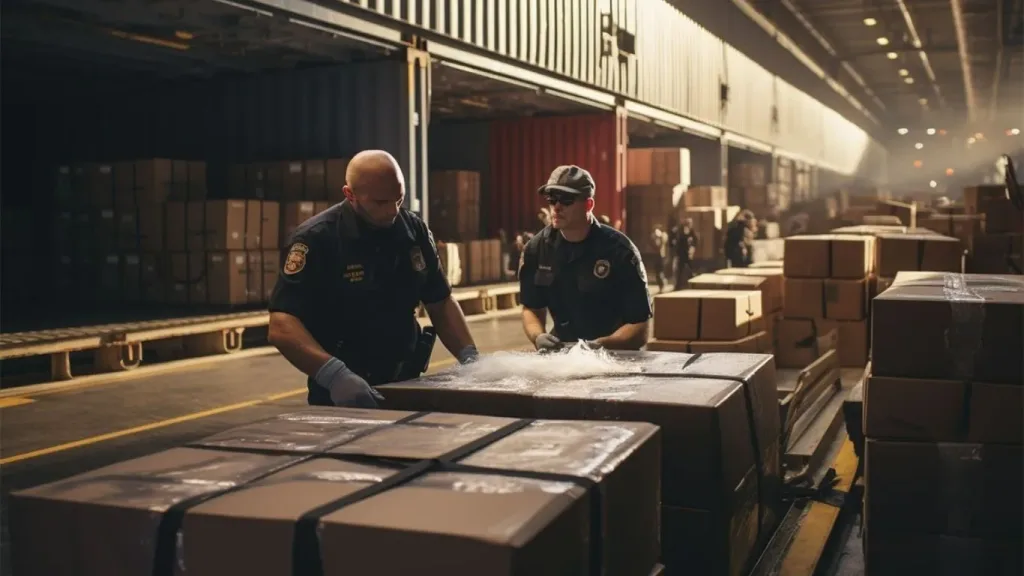
Successful customs clearance requires preparation, accurate documentation, and coordination with logistics partners.
Many businesses rely on experienced international shipping companies providers operating from Egypt
to ensure shipments comply with customs regulations when formal customs clearance is required.
Clear communication with customs brokers and logistics partners helps reduce delays and improve clearance efficiency.
For long-distance trade routes, particularly transatlantic shipments, businesses shipping goods from Egypt to the United States often work with experienced logistics providers to manage transportation and customs coordination efficiently. check the shipping companies from Egypt to USA
Freight Club operates as a professional directory for shipping and logistics companies, helping businesses connect with verified service providers without offering shipping services directly. Through Freight Club, importers and exporters can identify logistics partners that support customs clearance and international trade operations.
Customs clearance requires accurate shipment documents, official declarations, and payment of applicable duties and taxes.
Formal clearance is a detailed customs process required for commercial, high-value, or regulated shipments.
Customs clearance is the legal process of declaring goods to customs authorities.
Packages may be held due to missing documents, inspections, or unpaid duties.
Fees vary depending on shipment value, cargo type, and destination.
Yes, importers and exporters are legally responsible for customs compliance.
Yes, import clearance focuses on duties, while export clearance ensures legal shipment exit.
Customs clearance should be arranged before cargo arrival.
Invoices, packing lists, and transport documents are commonly required.
Responsibility depends on the agreed Incoterms.
Yes, but professional support reduces risk.
Through verified logistics directories such as Freight Club.
Total fees include duties, taxes, and service charges.
Clearance can take from hours to several days.
Status is available via customs systems or logistics partners.