
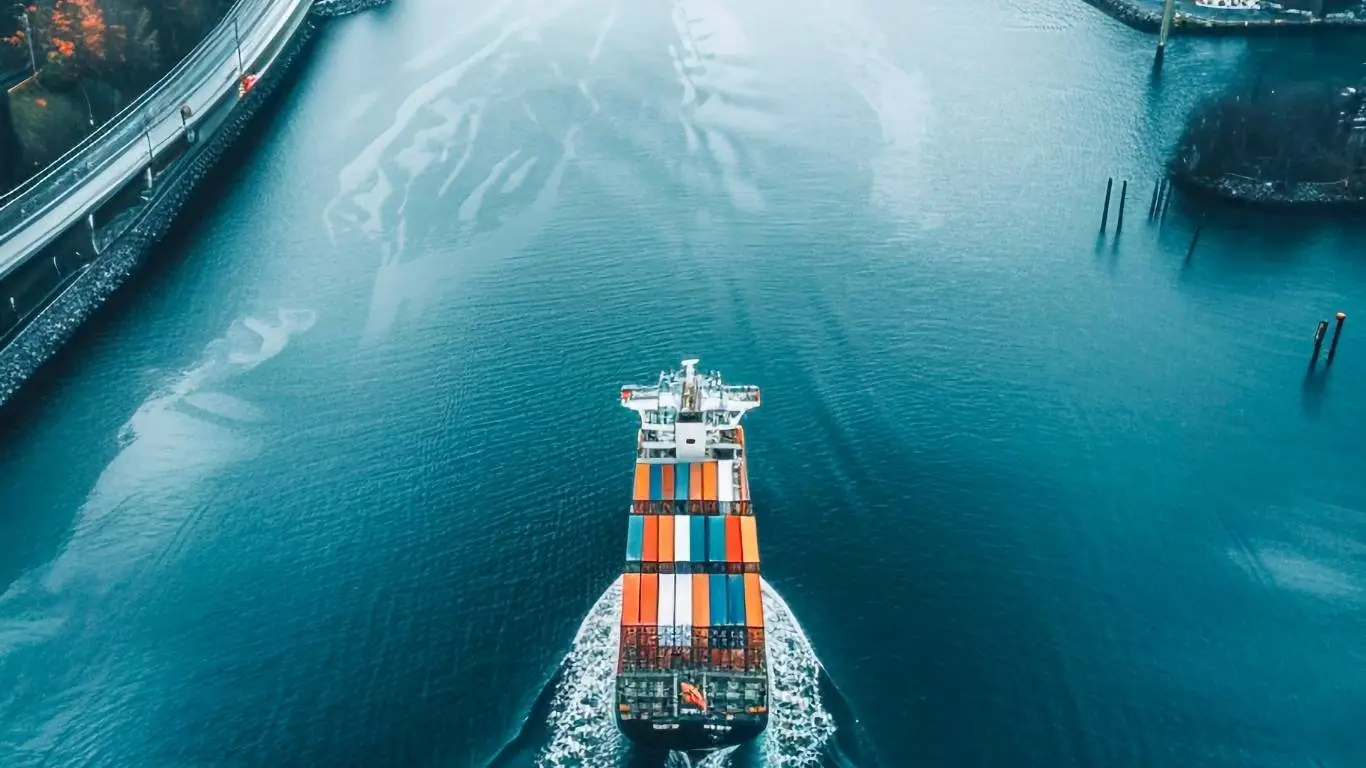
When you start importing or exporting, you will quickly hear terms like freight forwarder and shipping line. Understanding the difference between freight forwarder and shipping line is important because each handles different parts of the shipping process. A shipping line owns the vessels and moves containers between ports, while a freight forwarder manages the entire journey from the supplier to your final destination.
If you are searching for reliable Freight Forwarder Companies in Egypt, this guide explains everything in a simple way.
The difference between freight forwarder and shipping line is simple:
Shipping Line: Owns ships and containers. Their job is to move the cargo across the ocean.
Freight Forwarder: Plans the complete process, including trucking, documents, customs clearance, insurance, and delivery.
Most businesses prefer forwarders because they manage everything, especially when the shipment is small or the rules are complicated.
This makes them the ideal choice if you are looking for Shipping Companies in Egypt for Small Business, as they handle the specific paperwork that often overwhelms new importers.
Most businesses prefer forwarders because they manage everything, especially when the shipment is small or the rules are complicated.
A shipping line focuses on the sea trip only. Once the container reaches the port, their responsibility ends. A freight forwarder manages the whole journey: pickup, packaging, customs, booking space, and last-mile delivery. If a ship is delayed, they can quickly find another route. This flexibility is why many Import and Export Companies in Egypt choose forwarders over direct shipping lines. So, when comparing top International Shipping Companies in Egypt
A shipping line focuses on the sea trip only. Once the container reaches the port, their responsibility ends.
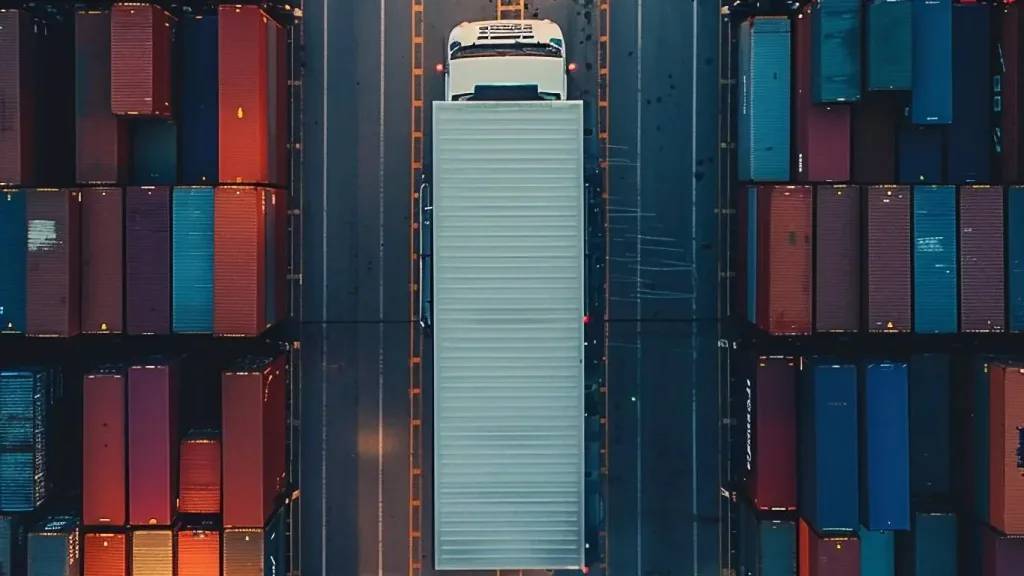
A freight forwarder manages the whole journey: pickup, packaging, customs, booking space, and last-mile delivery. If a ship is delayed, they can quickly find another route.
This flexibility is why many Import and Export Companies in Egypt choose forwarders over direct shipping lines.
A freight forwarder acts as your logistics partner. They collect your goods, prepare documentation, book cargo space, and arrange trucking and customs clearance.
They don’t own ships, but they know how to use different shipping lines to get better prices and faster delivery.
They also help you with Insurance for Transporting Goods so your goods stay protected throughout the journey.
A shipping line owns the giant vessels and containers that move goods between global ports. Famous examples include Maersk, MSC, and CMA CGM.
Their service is port-to-port only, meaning you must handle customs, trucking, and delivery yourself.
This option suits large companies with experienced logistics teams, but it is not ideal for beginners.
Choose a Shipping Line if:
Choose a Freight Forwarder if:
Pros:
Cons:
Pros:
Cons:
Before choosing, think about:
A forwarder is often the safest choice when you want smooth logistics without handling complications yourself.
Use a shipping line if your company has:
Choose a forwarder when you require:
At Freight Club, we help importers and exporters ship without stress. We compare shipping lines, find the best rates, manage paperwork, and handle customs clearance.
Whether you run a new business or a growing company, our experts support you from pickup to final delivery.
If you want a trusted partner instead of dealing with shipping alone, visit Freight Club today for a free quote.
No. Shipping is the movement of goods across the ocean. Freight forwarding includes planning, documentation, customs clearance, and delivery.
The shipper is the owner of the goods. The freight forwarder is the company that arranges shipping for the shipper.
A shipping line is a company that owns and operates ships that move containers between ports.
“Freight” refers to the goods. “Shipping” is the process of transporting these goods.
A shipping line moves goods by sea only. A freight forwarder manages the whole supply chain from pickup to delivery.
Sea shipping, air shipping, and land transportation.
Pickup, customs and loading, transportation, and final delivery.
LCL means sharing a container with others. CFS is the warehouse where shipments are combined.
It refers to the three main transport modes: sea, air, and road.
Yes. To the shipping line, the forwarder appears as the shipper because they book cargo space.
FF stands for Freight Forwarder.